How elevators and grain terminals work
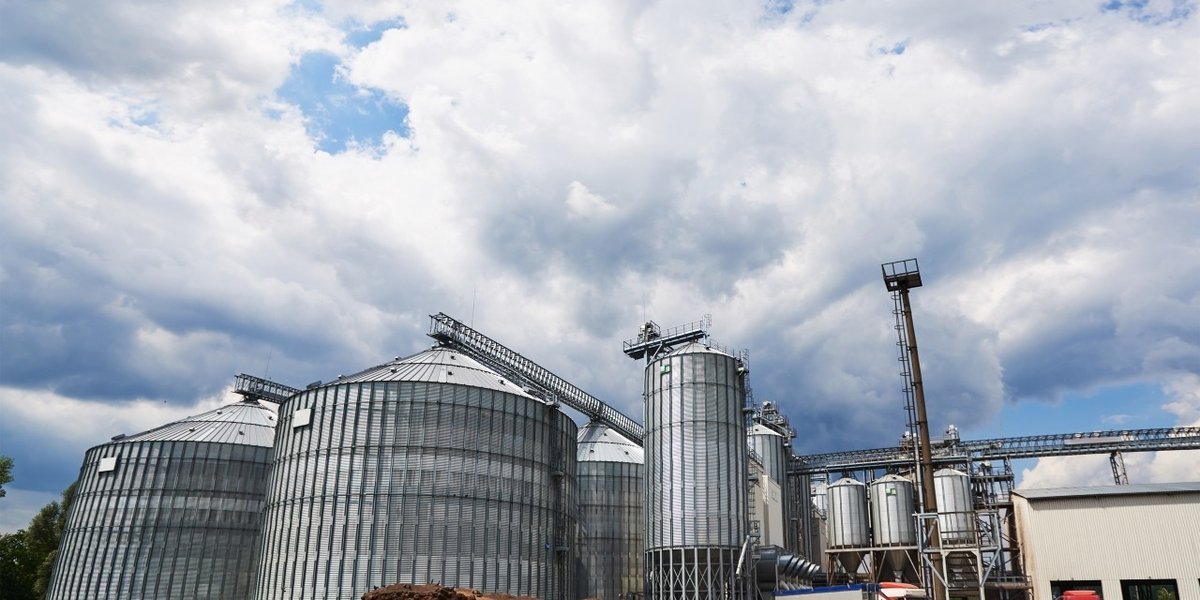
Elevators and grain terminals are key links in the chain of production, storage and export of grain. They ensure uninterrupted collection, processing, storage and shipment of agricultural products, creating the basis for stable supplies to domestic and international markets. In this article, we'll look at it. How the grain storage infrastructure worksWhat types of elevators exist and how grain terminals function.
What is an elevator?
elevator - a complex of structures and equipment for acceptance, cleaning, drying, storage and shipment of grain. It serves as a logistics and technological hub between the agricultural producer and the processor or exporter.
Key functions of the elevator:
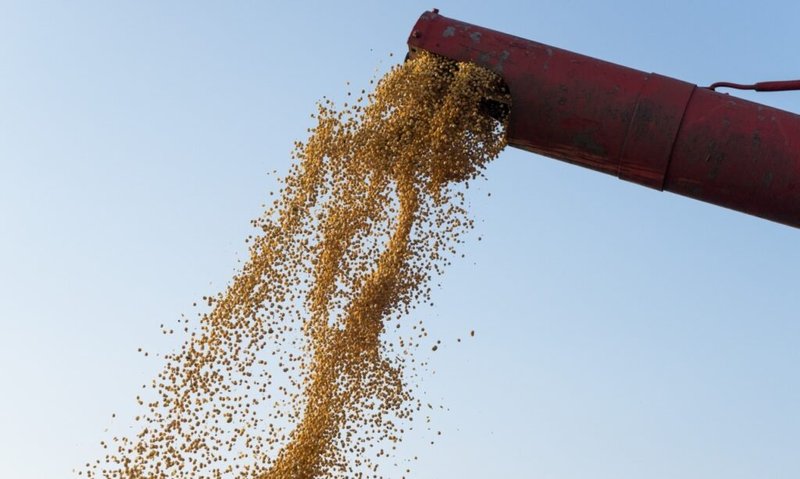
- Harvest acceptance Grain is delivered from the fields during the harvest season.
- Cleanup - removal of impurities, seeds of weeds and debris.
- Suit Bringing the grain to optimal humidity (usually 12-14%).
- Storage Long-term maintenance in silos or warehouses.
- Shipping Transportation by rail, road or ship.
The main types of elevators
Elevators are classified by purpose and storage volumes:
- Reception (household):
- They are located near the fields.
- Designed for temporary storage and pre-treatment of crops.
- Production:
- In factories and feed mills.
- They serve to provide raw materials to processing enterprises.
- Transport (linear):
- They are located along transport highways (railways, roads, rivers).
- They are used for transshipment of grain.
- Port:
- The key link in grain exports.
- Prepared for loading on ships, have a large capacity.
Elevator device: infrastructure and equipment
Modern elevator is a technologically complex complex complex.
Main elements:
- Admissions: Receivers and railway ramps for unloading.
- Noria and transporters: Mechanisms for vertical and horizontal transportation.
- Cleaning machines: Separators and triers to remove impurities.
- Drying equipment: Grain dryers (mining, column).
- Storage silos: sealed metal or concrete containers.
- Aeration system: for ventilation and temperature control.
- Quality laboratory: control of humidity, contamination and grain quality.
- Shipping office: loading in railway cars, cars or ships.
What is a grain terminal?
Grain terminal It is a specialized complex for transshipment and export of grain. It is integrated with ports or railway hubs, providing high throughput and the ability to work with large consignments.
Tasks of the grain terminal:
- Receiving grain from elevators and vehicles;
- Storage and consolidation of parties;
- Cleaning and refinement;
- Loading on ships or wagons;
- Logistics control and document management system.
Grain terminals are most often located in ports or near major transport hubs.
Logistics of grain: the way from field to export
- Harvest. The grain is delivered to the receiving elevator.
- Primary processing. Clean and dry.
- Storage. In silos with constant control of temperature and humidity.
- Party formation. Classification by quality, sorting by standards.
- Transportation. Shipment to grain terminals by rail or road.
- Transshipment and export. Loading on ships or further shipment to processors.
Types of grain storage
| Method | Features | Application |
| Silos | Airtight towers with aeration and automatic control | Long-term storage of large volumes |
| Floor warehouses | Simple storage in burts or embankment | Temporary storage, low cost |
| Metal containers | Flexible in volume and placement | Small and medium-sized farms |
| Bags (big bugs) | Simplified logistics, small parties | Small shipment exports |
Key technologies and innovations
Modern elevators are actively automated:
- Monitoring systems: Temperature and humidity sensors.
- Automation of transportation: conveyors, robots for moving grain.
- Digital platforms: Logistics and integration with ERP.
- Energy efficient dryers: Reducing gas and electricity costs.
Role of elevators in international trade
Elevators and grain terminals play a strategic role:
- ensure uninterrupted export of grain;
- Form the reputation of the supplier country;
- Increase the efficiency of the agro-industrial complex;
- Optimize logistics and minimize crop losses.
Factors affecting the cost of elevator services
- Location: Closer to the highways - cheaper logistics.
- Storage capacity: Large elevators offer flexible rates.
- Seasonal: During harvesting, rates rise.
- Additional services: Drying, cleaning, laboratory tests.
Elevators and grain terminals are not just warehouses, but high-tech hubs that link grain production with markets. Their competent organization allows you to minimize losses, reduce logistics costs and make exports more predictable. For agricultural businesses, understanding elevators is key to the efficiency of the entire supply chain.