Routes and transport for agricultural products
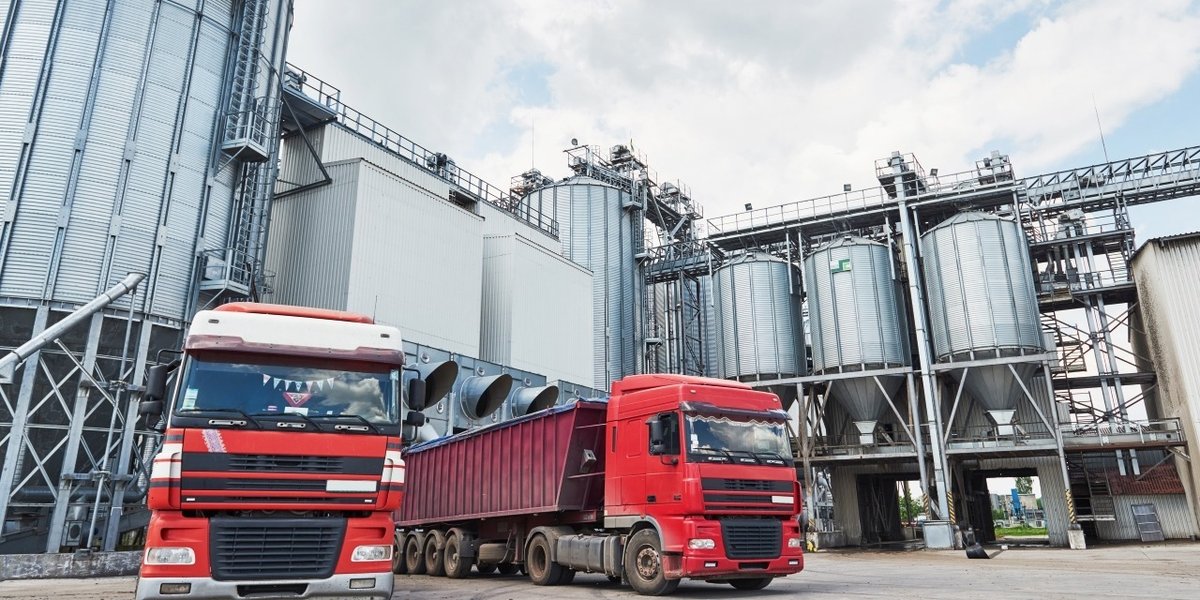
Transportation of agricultural products is a complex and responsible task. Unlike industrial equipment or building materials, agricultural goods have special requirementsThey are perishable, often require temperature and careful handling. From the choice of route and mode of transport directly depends not only the cost, but also the safety of the goods.
Rail transport
Rail transport is traditionally considered one of the key ways to deliver agricultural products over long distances.
What's on the railway?
- grain (wheat, corn, barley, soybeans);
- feed;
- oilseeds;
- Fruits and vegetables in refrigerated cars.
Advantages:
- High load capacity - one train replaces hundreds of trucks;
- stable tariffs;
- the possibility of transporting large consignments for export (to ports, borders).
Disadvantages:
- Limited flexibility of routes;
- the need for transshipment at ports or terminals;
- Duration of delivery for perishable products.
Example of routes: Russia – China (grain), USA – Mexico (corn), Argentina – Brazil (soybean).
Road transport
Trucks are the most universal and popular transport for agricultural goods.
What is transported by road:
- vegetables, fruits, berries, greens;
- meat, dairy products, eggs (in isothermal and refrigerated vans);
- grain and feed (dump trucks, grain trucks).
Advantages:
- door-to-door delivery;
- flexibility of routes;
- the possibility of transporting small consignments;
- speed.
Disadvantages:
- high cost at long distances;
- Dependence on weather and road conditions;
- restrictions on weight and dimensions.
Example routes: local delivery of vegetables from farms to distribution centers, export of fruits to neighboring countries.
Maritime transport
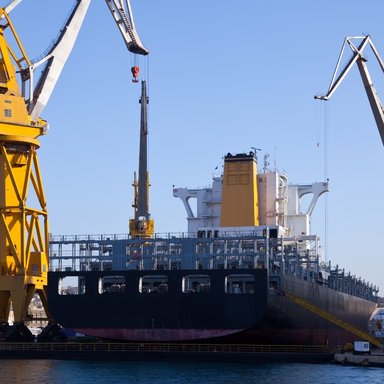
Shipping is a key tool for global agricultural trade.
What's transported by sea:
- grain and oilseeds (in the holds of bulk carriers);
- frozen meat and fish (in refrigerated containers);
- sugar, coffee, cocoa beans, cotton.
Advantages:
- low cost of transportation per ton;
- enormous load capacity;
- Opportunity to enter any global markets.
Disadvantages:
- long delivery time;
- the need for transshipment and logistics infrastructure;
- sensitivity to fluctuations in freight rates.
Example of routes:
- Brazil – China (soybeans and maize);
- Russia – Turkey (grain, sunflower oil);
- New Zealand – China (dairy products).
Air transport
Air transport is rarely used, but plays an important role for perishable and expensive goods.
What is transported by plane:
- fresh flowers, berries, greens;
- live fish and seafood;
- Premium meat.
Advantages:
- maximum speed of delivery;
- The ability to transport sensitive cargo over long distances.
Disadvantages:
- high cost;
- restrictions on weight and volume;
- Dependence on the availability of airports and air infrastructure.
Example of routes:
- Ecuador – Europe (fresh roses)
- Chile - Japan (fresh fish)
- Russia – UAE (caviar, premium products).
Multimodal routes
In reality, they are most often used. multimodal transportWhen different modes of transport complement each other.
Multimodal delivery schemes:
- farm → truck → railway terminal → port → sea vessel → destination port → road delivery to retail;
- air delivery of perishable products with subsequent distribution by region by road;
- river transport + railways for grain export.
Example: Russian grain is sent from the elevator by road to the railway terminal, then by train to the port of Novorossiysk, then by ship to Egypt or Turkey.
The choice of route and mode of transport for agricultural products depends on three factors:
- Type of product (grain, meat, vegetables, peripherals).
- Range of transport (local, regional and international).
- Storage requirements (Temperature, shelf life, sensitivity to damage).
- For bulk (grain, soybeans, corn) are most often used Railway + sea.
- For fruit, vegetables and dairy products - road transport.
- For premium perishable goods - aviation.
In the international logistics of agricultural products dominate multimodal routesIt allows you to optimize both speed and cost.