Import and export of agricultural products: basic concepts
Import and export of agricultural products is a complex chain involving farmers, elevators, processors, traders, logisticians, customs and buyers in different countries. To understand the topic, it is important to know the basic concepts and processes.
This article -- dictionaryThis will help you understand what is behind terms like "Elevator", "processing" or "agriculture". In the following materials, we will analyze the individual stages in more detail.
What about agricultural products
Agricultural products (or abbreviated) farmer) is anything grown or produced in the agricultural sector:
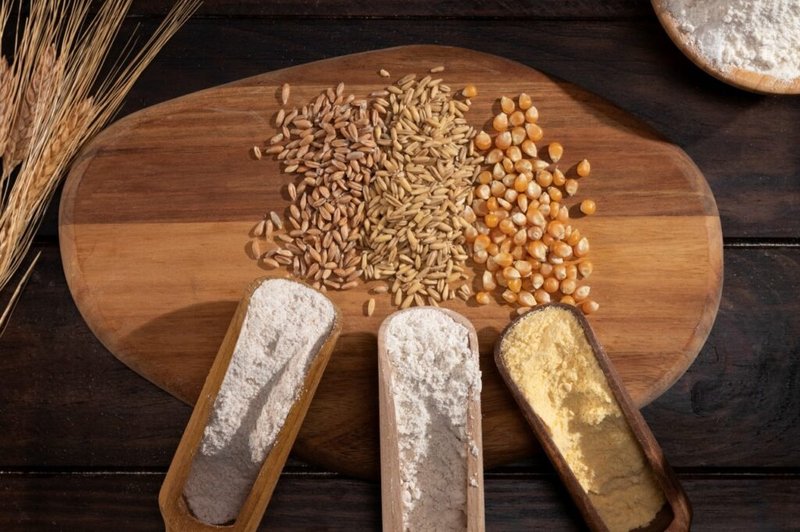
- Grain crops: wheat, corn, barley, rye, oats.
- Oilseeds: sunflower, soybean, rapeseed, flax.
- Legume crops: peas, beans, lentils, chickpeas.
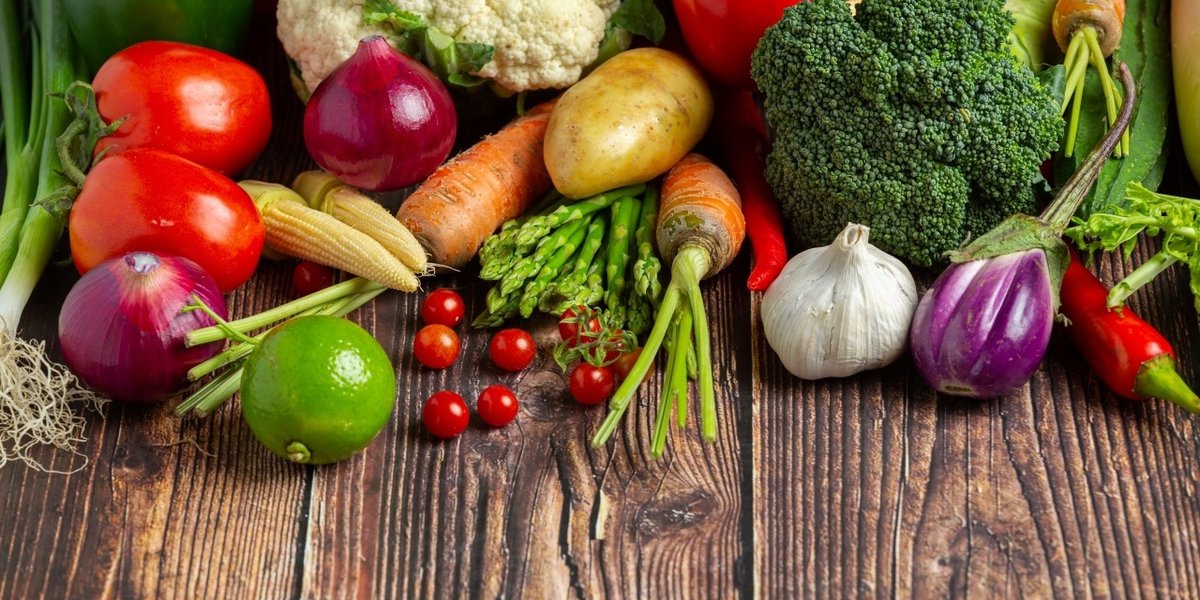
- Vegetables and tubers: potatoes, beets, carrots, onions.
- Fruits and berriesapples, pears, grapes, berries.
- Livestock products: meat, milk, eggs, wool.
- Fish and seafood (Agricultural products are in some countries).
- Processing products: butter, flour, feed, concentrates, starch, meal.
The main stages of movement of agricultural products
1. Harvest
This is the first and most obvious stage. The harvest of grains, oilseeds or vegetables is collected from the fields. It's important.
- technologies (harvesting machines, harvesters);
- Time (delay can reduce quality)
- weather conditions.
2. Primary processing
Once harvested, the grain and seeds are cleaned and dried to maintain quality and prepare for storage or sale.
3. Storage: elevators and warehouses
elevator It is a specialized complex for receiving, cleaning, drying, storage and shipment of grain.
- Sometimes. elevator (Accept the harvest of specific farms) and cereal (We work with external suppliers).
- Modern elevators are equipped with laboratories for quality analysis and moisture-resistant silos for storage.
For vegetables and fruits used vegetable-storey and fruit-storage with controlled temperature and humidity.
4. Recycling
Many crops are not exported directly, but are processed:
- grain → flour, cereals, mixed feed;
- Oilseeds, oilseeds, cake, meal;
- milk → cheese, butter, yogurt;
- meat → semi-finished products, sausages;
- vegetables and fruits → conservation, juices, concentrates.
Recycling increases the added value of the product and facilitates transportation.
5. Logistics and exports
Products after storage or processing are sent for export. The chain involves:
- Transportation (delivery to terminals);
- rail transport;
- marine logistics (grain terminals, container transportation);
- Customs warehouses and terminals.
Key players in the chain
- Farmers and agroholdings - produce raw materials.
- Elevators and grain terminals provide storage and preparation for export.
- Recyclers - produce products with added value.
- Traders Purchase lots and organize international supplies.
- Logistics companies - transport goods (auto, railway, sea, air transport).
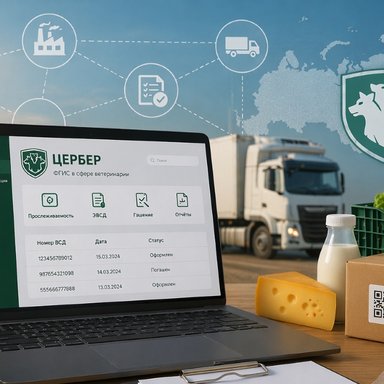
- Customs brokers and supervisory authorities - draw up documents, certificates, phytosanitary.
- Importers and distributors in the country of destination - take the goods and deliver them to the market.
What you need to know about agricultural imports
- Quality and standards
- Each type of product has its own standards (moisture, gluten, impurities, safety).
- A phytosanitary certificate and veterinary documents are often required.
- seasonality
- The harvest is collected in certain months, so the supply of farms often go in waves.
- The cost is affected by seasonal demand and world quotations.
- Storage and logistics
- Many cultures are sensitive to humidity and temperature.
- Errors in the storage phase lead to loss of quality.
- Financial risks
- Price volatility in global markets.
- Currency fluctuations.
- The need for cargo insurance.
- Regulation and customs
- Each country has its own rules for the admission of agricultural products.
- Restrictions may be related to security, protection of the internal market, quotas and duties.
Import and export of agricultural products is not just about “buying grain and bringing it.” It's a whole system that includes:
- cultivation and harvesting;
- processing and storage;
- logistics and customs;
- Traders and distributors.
To confidently navigate the topic, it is important to know the basic terms: elevator, processing, storage, agricultural crops, traders, phytosanitary control.
In the following articles of the cycle, we will analyze in detail:
- how the elevator and grain terminals work;
- How to check the quality of products before export;
- What routes and modes of transport are used for farming;
- How is the regulation and certification done?