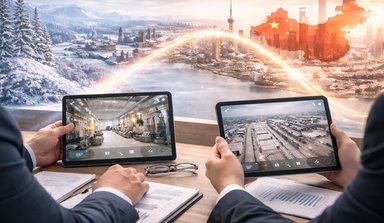
Augmented Reality (AR) for inspection and training in factories
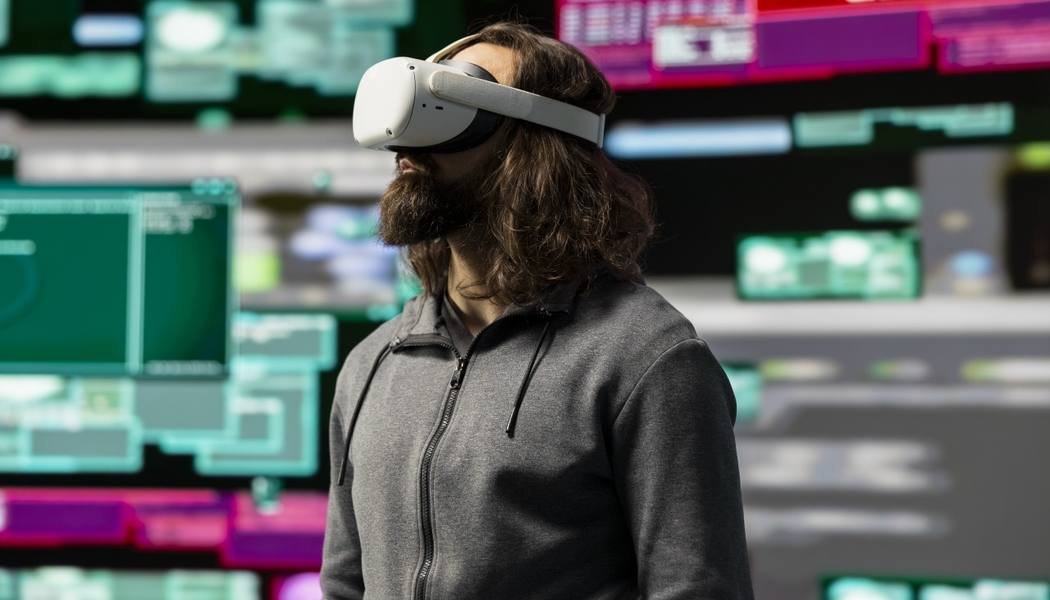
AR inspection and AR training become part of new industrial culture
Промышленность будущего уже наступила — и одним из ключевых инструментов «умного производства» становится дополненная реальность (AR).
Если раньше AR ассоциировалась с играми и маркетингом, то сегодня она активно внедряется в цеха, лаборатории и логистические зоны.
На фабриках AR используется для инспекций, обучения персонала, настройки оборудования, контроля качества и даже для удаленной поддержки специалистов.
Главная цель — повысить эффективность и точность производственных операций, сократив человеческий фактор и время простоев.
Что такое AR в промышленности
Дополненная реальность (Augmented Reality, AR) — это технология, которая накладывает цифровую информацию (3D-модели, текст, видео, инструкции) поверх реального мира через специальные устройства — очки, планшеты или смартфоны.
На заводах это может выглядеть так:
- оператор надевает AR-очки, и перед его глазами появляются подсказки по сборке детали;
- инспектор видит на экране отмеченные участки оборудования, где нужно провести проверку;
- новый сотрудник учится работать с машиной, следуя пошаговым инструкциям прямо в рабочей зоне.
AR превращает производственный процесс в интерактивную среду, где каждый шаг сопровождается визуальной и аудио-подсказкой.
Применение AR для инспекций
Визуальный контроль и проверка оборудования
Инспекторы с AR-устройствами могут видеть наложенные схемы, допуски и точки измерения прямо на объекте.
Система автоматически подсвечивает отклонения от нормы, помогает сравнивать реальное состояние с эталонной 3D-моделью.
Такой подход сокращает время проверки, повышает точность измерений и минимизирует ошибки, вызванные человеческим фактором.
Удаленная поддержка специалистов
В случае сложных неисправностей инженер на месте может подключиться к эксперту через AR-интерфейс.
Эксперт видит все глазами техника и направляет его, отмечая нужные детали виртуальными маркерами.
Это особенно актуально для международных компаний, где техподдержка или главный инженер находятся в другой стране.
Сбор данных и отчетность
AR-инспекция интегрируется с системами MES, ERP и QMS, фиксируя результаты проверок в цифровом виде.
Все действия автоматически заносятся в отчет — с фото, комментариями и отметками времени.
Таким образом, инспекция становится не только визуальной, но и документированной в реальном времени.
AR в обучении персонала
Виртуальные тренировки без риска
С помощью AR можно обучать сотрудников работе на сложном оборудовании без риска повреждения техники или травм.
Новички проходят пошаговое обучение, где каждый этап сопровождается визуальными инструкциями и подсказками.
Например:
- при обучении сварке AR показывает оптимальную траекторию движения руки;
- при сборке устройства — правильную последовательность установки деталей;
- при техническом обслуживании — зоны, требующие внимания.
Сокращение времени адаптации
По данным промышленных компаний, внедривших AR-обучение, время подготовки нового сотрудника сокращается на 30–50%.
Рабочие быстрее усваивают сложные процессы, потому что учатся через визуальный и интерактивный опыт, а не только по инструкциям и лекциям.
Контроль знаний
AR-системы позволяют отслеживать прогресс обучения.
Сотрудник должен правильно выполнить виртуальные задания, и только после этого получает допуск к реальной работе.
Это создает безопасную и контролируемую среду для обучения.
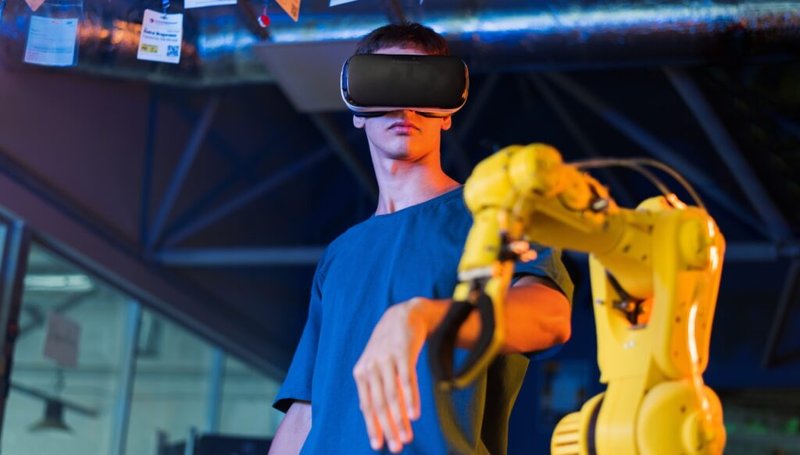
Технологии и оборудование
AR-устройства
Для производственных задач используются промышленные AR-устройства, устойчивые к пыли, вибрациям и высокой температуре:
- Microsoft HoloLens 2 — наиболее распространенные AR-очки для промышленных решений;
- RealWear Navigator 500 — гарнитура с голосовым управлением, оптимальная для инспекций;
- Vuzix Blade и Epson Moverio — легкие очки для обучения и складских операций.
Программное обеспечение
Существует множество платформ для внедрения AR на производстве:
- PTC Vuforia — комплексное решение для инспекций и обучения;
- TeamViewer Frontline — для удалённой поддержки специалистов;
- Scope AR — для пошаговых инструкций в реальном времени.
Интеграция с цифровыми системами
AR-технологии тесно связаны с концепцией Индустрии 4.0 — «умных фабрик», где все процессы объединены в единую цифровую сеть.
AR-платформы интегрируются с PLM, ERP и IoT-системами, что позволяет мгновенно получать данные о состоянии оборудования и реагировать на сбои.
Преимущества использования AR
- Сокращение ошибок при инспекциях — до 40%;
- Ускорение диагностики и ремонта — до 60%;
- Рост эффективности обучения — до 50%;
- Возможность удалённой поддержки — эксперты могут работать с любого места;
- Снижение затрат на командировки и простои оборудования.
AR не просто делает производство умнее, но и создает новый уровень взаимодействия человека и машины, где информация становится доступной именно тогда, когда она нужна.
Сложности внедрения
Несмотря на преимущества, технология AR требует продуманной интеграции:
- высокая стоимость оборудования и лицензий;
- необходимость настройки под конкретные процессы;
- обучение персонала работе с устройствами;
- защита данных при удаленном подключении.
Кроме того, важно учитывать человеческий фактор — не все сотрудники сразу готовы работать с очками или новыми интерфейсами.
На практике внедрение AR проходит поэтапно: сначала пилотный проект в одном цехе, затем масштабирование на весь завод.
Примеры внедрения
- BMW использует AR для обучения сборщиков и проверки правильности монтажа.
- Airbus применяет AR для инспекций деталей самолётов — визуальное наложение схем позволяет сократить время проверки с 3 часов до 45 минут.
- Foxconn тестирует AR для инспекций смартфонов и подготовки операторов производственных линий.
Эти примеры показывают, что технология уже перешла из стадии экспериментов в стадию промышленной стандартизации.
Дополненная реальность — это не просто модная инновация, а инструмент системного повышения эффективности производства.
Она объединяет визуальные данные, аналитику и опыт инженеров в одной точке, делая процессы более прозрачными и безопасными.
AR-инспекция и AR-обучение становятся частью новой индустриальной культуры, где каждый сотрудник видит больше, делает точнее и учится быстрее.
Так фабрики превращаются в умные экосистемы, где технология помогает человеку быть профессионалом будущего уже сегодня.