Basics of freight: concept and key aspects
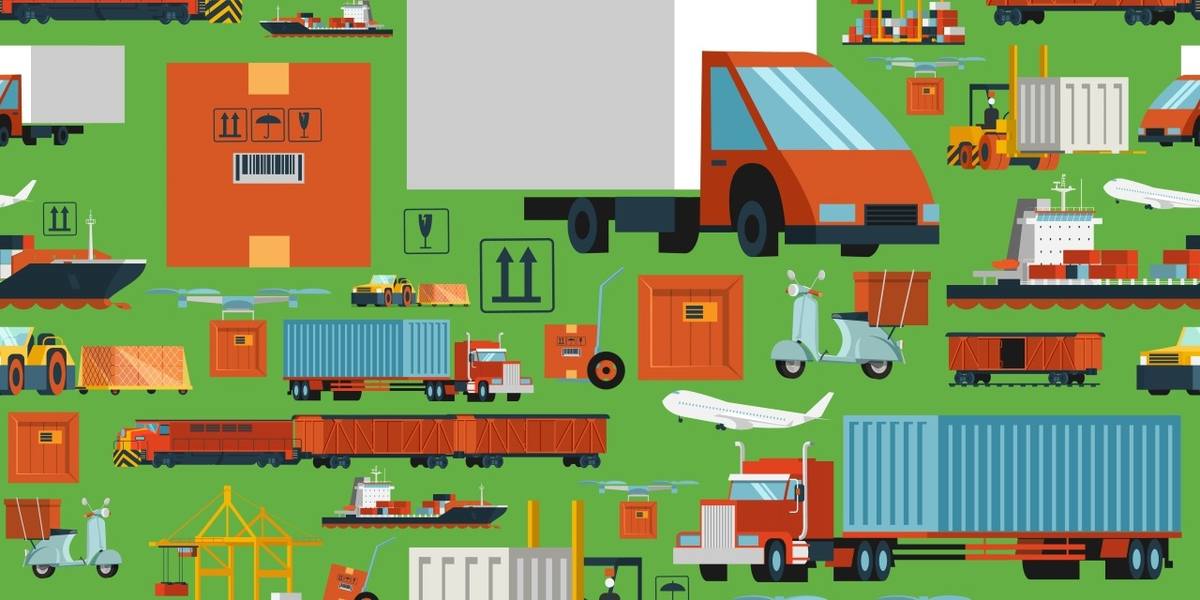
Freight is a complex concept that includes many aspects, from the choice of mode of transport to cost management.
Freight is a key concept in the field of logistics, which refers to the cost of transporting goods by various types of communication. Whether by sea, rail, road or air, freight includes not only the cost of transportation itself, but also the additional costs associated with ensuring delivery. We will examine what exactly this concept includes, what factors affect it and how it is applied in practice.
Definition of freight
Freight is a set of payments for cargo transportation services, including:
- Transportation chargesIt is formed based on the distance, type of transport and volume of cargo.
- Additional costs: such as port charges, paperwork, cargo insurance, customs duties, fuel and environmental charges.
Thus, freight covers all aspects related to the delivery of goods, from loading to unloading at the destination.
Types of freight
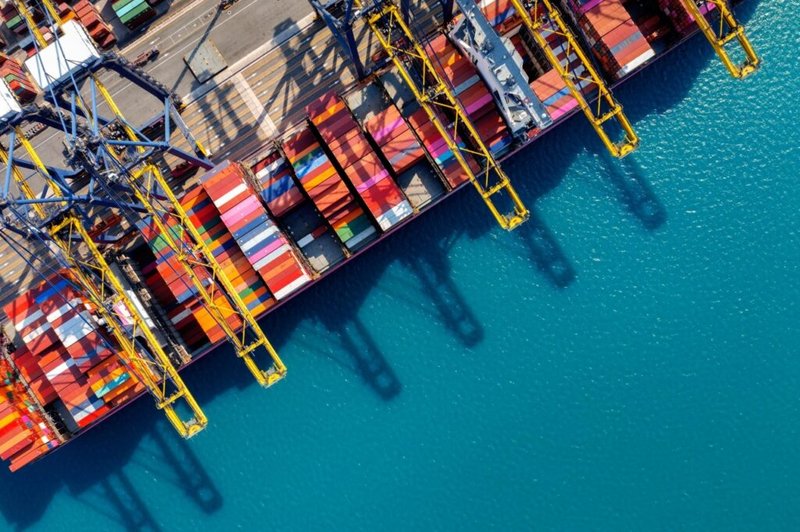
- Sea freight
This is one of the most economical ways to transport large consignments of goods. It is divided into two main types:
- FCL (Full Container Load)Rent a whole container for transportation.
- LCL (Less Container Load): groupage cargo when several shippers share a container.
Sea freight is suitable for transporting large volumes of goods such as machinery, furniture, building materials and industrial products. However, delivery times can be long due to the length of sea voyages and procedures at ports.
- Aviation freight
The fastest way to deliver goods, especially on international routes. It is used for expensive, urgent or fragile goods, such as electronics, medicines or fashionable clothing.
- Advantages: high speed, reliability.
- Disadvantages: high cost, restrictions on weight and volume of cargo.
- Rail freight
A popular form of transport for delivery of goods by land, especially over long distances. Rail transport is characterized by stability and high load capacity. For example, they are often used to deliver oil, coal, agricultural products or industrial goods.
- Advantages: low cost, environmental friendliness.
- Disadvantages: link to the railway infrastructure.
- Car freight
Most often used for transportation of goods over short and medium distances. Road transport provides “door-to-door” delivery.
- Advantages: flexibility of routes, speed.
- Disadvantages: dependence on weather conditions and traffic congestion.
Main aspects of freight
- Cost of freight
The cost is calculated based on the volume and weight of the cargo, the chosen mode of transport and the route. For example, sea freight is cheaper but takes more time, whereas air freight is more expensive but faster. - Impact of economic factors
Fuel prices, global trade relationships, and demand for certain modes of transport can all influence freight costs. For example, during peak seasons, such as the New Year holidays, prices may increase. - Legal aspects
The conclusion of the contract for chartering includes the definition of the liability of the parties, the route, delivery time and insurance of the cargo. This is especially important in international transport, where local legislation must be taken into account. - Freight insurance
To avoid financial losses, many companies insure their cargo. Insurance covers the risks associated with damage or loss of goods during transportation.
Factors affecting the cost of freight
- Type of cargoGoods requiring special transport conditions (e.g. refrigerated containers for products) are more expensive.
- Dimensions and weightsThe larger the volume and mass, the higher the cost. For large cargoes, a payment scheme based on volume weight can be applied.
- Seasonal fluctuationsDuring periods of increased demand, such as the autumn buying season, freight costs increase.
- Route and geographyTransportation to hard-to-reach regions requires additional costs, such as the use of several modes of transport.
Role of freight in logistics
Freight is an integral part of the supply chain. The efficiency of the entire logistics system of the company depends on its correct calculation and management. Companies engaged in international trade often enter into long-term contracts with transport operators to minimize risks and optimize costs.
Freight is a complex concept that includes many aspects, from the choice of mode of transport to cost management. Understanding freight allows companies to optimize their logistics processes, reduce costs and ensure timely delivery of goods. Given that the cost and terms of freight depend on many factors, it is important to approach its organization taking into account all the nuances and professional expertise.