Cold Chain from China: Transportation of Perishable Goods
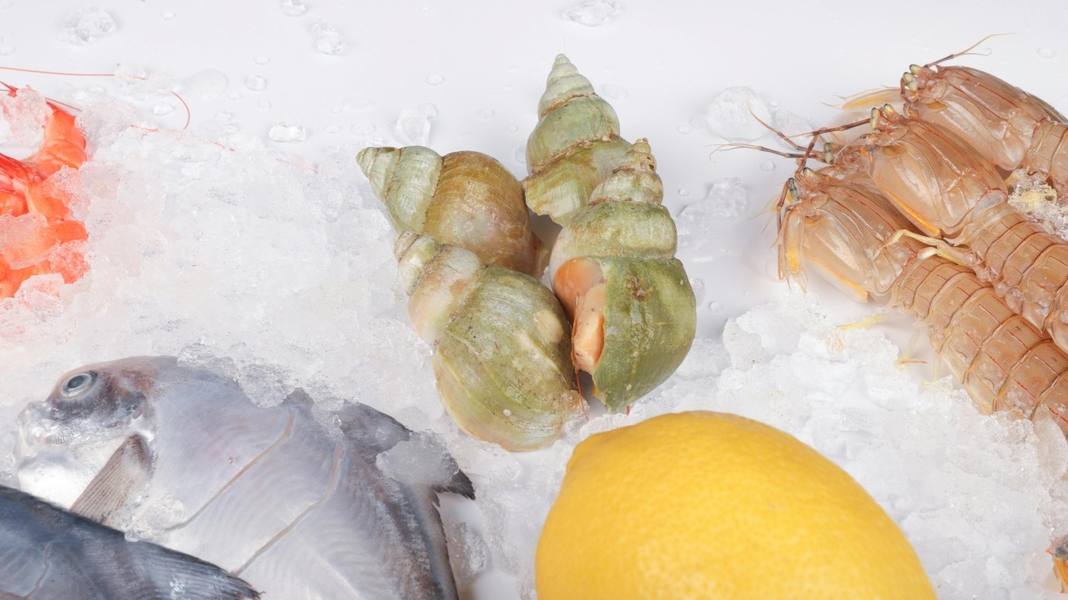
The export of perishable goods requires many certificates, checks and approvals.
Глобализация торговли и рост экспорта из Китая привели к бурному развитию международной логистики, особенно в сегменте скоропортящихся товаров. Фрукты, морепродукты, фармацевтика и биопродукция требуют строгого температурного контроля на всех этапах пути. Именно здесь ключевую роль играет холодовая цепь — система непрерывного поддержания температурного режима от производителя до конечного потребителя.
Однако, несмотря на технологический прогресс, перевозка скоропортящихся грузов из Китая остается задачей со множеством вызовов. Разберем, какие тенденции сегодня определяют развитие этой отрасли, и с какими трудностями сталкиваются участники цепочки поставок.
Что представляет собой холодовая цепь
Холодовая цепь — это совокупность процессов, оборудования и технологий, обеспечивающих сохранение нужной температуры при транспортировке, хранении и распределении товаров.
Основные элементы цепи включают:
- холодильные склады и терминалы;
- транспорт с контролем температуры (рефрижераторы, контейнеры, фуры, авиапаллеты);
- датчики и системы мониторинга;
- стандарты и сертификацию (GMP, GDP, ISO, HACCP).
В контексте поставок из Китая особенно важно соблюдение непрерывности этой цепочки, ведь нарушение режима даже на короткое время может привести к порче продукта и большим финансовым потерям.
Рынок холодовой логистики в Китае: рост и цифровизация
Бурное развитие инфраструктуры
Китай активно инвестирует в строительство холодильных терминалов и логистических центров в портах, аэропортах и промышленных зонах.
По данным аналитиков, рынок холодовой логистики Китая растет в среднем на 15–20 % в год, и к 2030 году может стать крупнейшим в мире.
Цифровизация и IoT
Современные тренды включают внедрение интернет вещей (IoT), датчиков температуры и влажности, систем GPS-мониторинга и облачных платформ для отслеживания груза в реальном времени.
Например, экспортеры морепродуктов из Гуанчжоу могут в любой момент узнать, где находится их контейнер, какая внутри температура и были ли зафиксированы отклонения.
Зеленые технологии
Переход на энергоэффективные холодильные установки, альтернативные хладагенты и солнечные панели становится нормой. Экологическая составляющая все чаще рассматривается как конкурентное преимущество.
Основные сложности холодовой цепи из Китая
Несмотря на динамичное развитие, участники рынка сталкиваются с рядом серьезных проблем.
Неравномерность инфраструктуры
Если в прибрежных регионах (Шанхай, Шэньчжэнь, Циндао) инфраструктура соответствует мировым стандартам, то во внутренних провинциях недостаток холодильных мощностей все еще актуален. Это вызывает разрывы цепи и риски для сохранности товаров.
Таможенные и санитарные барьеры
Экспорт скоропортящихся грузов требует множества сертификатов, проверок и согласований, особенно при поставках пищевой продукции или фармацевтики. Любая задержка на таможне — потенциальное нарушение температурного режима.
Логистическая сложность мультимодальных перевозок и высокие затраты
Путь из Китая до Европы или России часто включает несколько видов транспорта: автодоставка до порта, морская перевозка, перегрузка на железную дорогу или авиацию. На каждом этапе важно обеспечить стабильную температуру, что требует тщательной координации между операторами.
Холодильные контейнеры, энергопотребление, калибровка датчиков, сервис и страховка — все это делает холодовую логистику на 30–40 % дороже обычных перевозок. Для малого бизнеса это часто становится барьером выхода на экспорт.

Перспективы и направления развития
«Умная» логистика и Big Data
Крупные китайские компании, такие как SF Express и JD Logistics, внедряют искусственный интеллект для прогнозирования спроса, оптимизации маршрутов и предупреждения рисков нарушения режима.
Сотрудничество с международными операторами
Совместные проекты с европейскими и российскими логистическими компаниями способствуют обмену опытом и стандартизации процедур.
Особое внимание уделяется транзиту через Центральную Азию и северным маршрутам через Россию, которые становятся альтернативой морскому пути.
Развитие новых переходов и маршрутов
Ключевой тренд последних лет — развитие сухопутных переходов и мультимодальных хабов на маршрутах «Нового шелкового пути».
Так, переходы через Маньчжурию, Забайкальск, Алашанькоу и Хоргос становятся важнейшими звеньями холодовой цепи между Китаем и Россией/Европой.
Какой переход выбрать?
Выбор перехода зависит от типа груза и логистической цели:
- Алашанькоу – Достык — оптимален для скоропортящихся продуктов, идущих в Казахстан и далее в Европу.
- Маньчжурия – Забайкальск — подходит для северных маршрутов в Россию и Сибирь.
- Хоргос – Алтынколь — перспективный транзитный коридор для мультимодальных поставок.
Таким образом, развитие новых переходов становится ключевым фактором устойчивости холодовой цепи из Китая.
Холодовая цепь из Китая сегодня — это высокотехнологичная, быстро развивающаяся система, в которой цифровизация и инфраструктурные проекты играют решающую роль.
Тем не менее, участникам рынка предстоит преодолеть множество вызовов: от нехватки холодильных мощностей в отдельных регионах до сложностей мультимодальных перевозок.
Развитие новых транспортных переходов, усиление таможенной координации и внедрение умных технологий мониторинга станут ключом к повышению эффективности и надежности поставок скоропортящихся грузов из Китая.
Холодовая логистика — это не просто транспортировка. Это интегрированная экосистема доверия и контроля, от которой зависит качество и безопасность продукции, пересекающей континенты.