Выездной аудит производителя
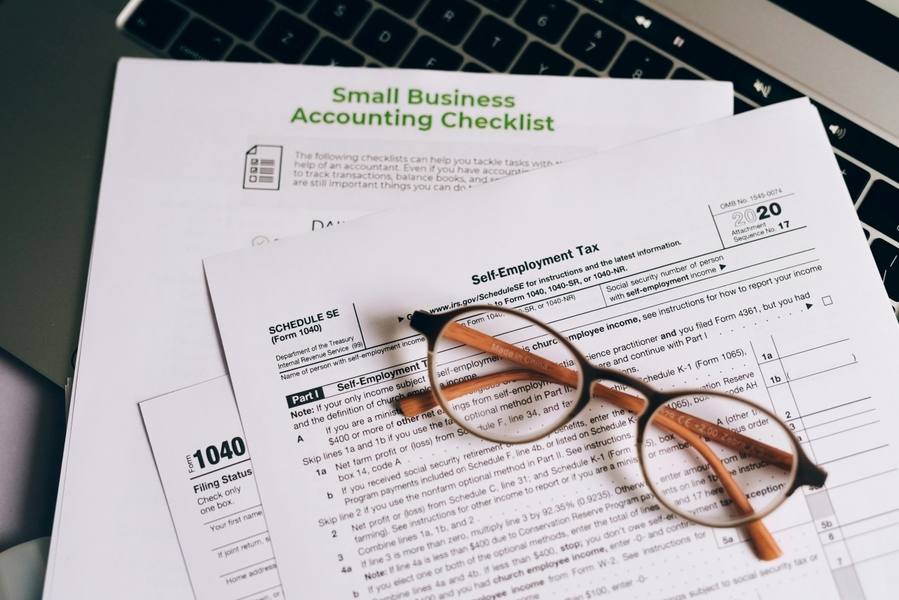
Выездной аудит производителя помогает проверить поставщика, контроль качества и производственные мощности до контракта. Что оценить заранее?
Выездной аудит производителя — это проверка деятельности и производственных мощностей компании-производителя на месте. Такой аудит позволяет оценить качество продукции, технологические процессы, производственные мощности и соблюдение стандартов, что особенно важно в сфере международной торговли, когда речь идёт о поставках из другой страны. В выездном аудите участвуют либо представители заказчика, либо привлеченные эксперты и аудиторы, специализирующиеся на проверках предприятий.
Давайте подробно рассмотрим, в каких случаях необходимо проводить выездной аудит, каковы основные этапы и какие преимущества он предоставляет.
Зачем нужен выездной аудит производителя?
Выездной аудит предоставляет объективную информацию о производителе, его возможностях и потенциале, минимизируя риски для заказчика. Основные причины для проведения такого аудита:
- Проверка соответствия требованиям: позволяет убедиться, что производитель соблюдает стандарты качества, оговоренные в контракте, а также требования международных стандартов и законодательства страны покупателя.
- Управление рисками: помогает выявить возможные риски в цепочке поставок, такие как низкое качество продукции, задержки с производством, нарушения трудового законодательства, возможные экологические нарушения и др.
- Повышение доверия к поставщику: личная проверка на месте способствует укреплению отношений с поставщиком, поскольку демонстрирует серьезность намерений заказчика.
- Оценка производственных мощностей: позволяет убедиться, что предприятие способно производить требуемый объем продукции в установленные сроки.
- Контроль на этапе производства: помогает избежать ошибок и проблем уже на раннем этапе и таким образом экономит время и ресурсы заказчика в будущем.
Основные этапы выездного аудита
Выездной аудит проводится в несколько этапов, каждый из которых помогает систематически оценить работу производителя. Рассмотрим основные шаги:
- Подготовка к аудиту
На подготовительном этапе проводится тщательное планирование. Необходимо определить:
- Цели аудита: понять, какие именно аспекты деятельности производителя нужно оценить (качество продукции, соблюдение стандартов, производственные процессы и т. д.).
- Критерии оценки: установить стандарты и нормативы, на основании которых будет проводиться оценка (международные стандарты ISO, требования внутреннего стандарта компании и т. д.).
- Аудиторскую команду: важно привлечь компетентных специалистов в сфере аудита и инспекции производства, особенно если речь идет о специфических видах продукции.
- Сбор и анализ информации
На этом этапе собирается вся необходимая информация о производителе, включая:
- Документы о регистрации и лицензии.
- Сертификаты качества и соответствия международным стандартам.
- Описание производственного процесса и технологии.

- Выезд на производство и инспекция
Основной этап аудита, на котором аудиторская команда отправляется непосредственно на производство. Здесь проводится:
- Инспекция производственных линий и оборудования: проверяется состояние оборудования, его работоспособность и соответствие требованиям.
- Оценка рабочих процессов: аудиторы оценивают, как организованы рабочие процессы, нет ли задержек, и насколько эффективно организована работа.
- Проверка сырья и компонентов: проверяется, соответствует ли используемое сырьё требованиям заказчика и международным стандартам.
- Контроль качества продукции: анализируются уже готовые продукты и оценивается система контроля качества на производстве.
- Собеседования с сотрудниками
На этом этапе проводится общение с ключевыми сотрудниками компании — менеджерами по качеству, технологами, специалистами по производству. Это помогает понять, как сотрудники реализуют стандарты качества и понимают ли они внутренние процессы компании.
- Завершение аудита и составление отчёта
После завершения всех проверок аудиторская команда составляет отчет, который включает:
- Оценку соответствия стандартам: данные о том, насколько производитель соответствует предъявленным требованиям.
- Выявленные несоответствия: перечень выявленных нарушений и предложений по их устранению.
- Рекомендации для заказчика: информация о том, как можно улучшить сотрудничество с производителем.
Преимущества выездного аудита
Выездной аудит производителя дает множество преимуществ, среди которых:
- Минимизация рисков: аудитор позволяет оценить и предотвратить возможные риски, связанные с качеством продукции и задержками поставок.
- Экономия средств и времени: выявление и устранение недостатков на этапе производства помогает избежать значительных финансовых потерь и задержек.
- Повышение качества продукции: аудитор может выявить некачественные или устаревшие процессы, предложив варианты их улучшения, что способствует повышению уровня выпускаемой продукции.
- Соблюдение законодательных норм: аудит помогает убедиться, что производитель работает в рамках правового поля, что важно для успешного прохождения таможенных и юридических проверок.
- Укрепление деловых отношений: демонстрируя серьёзный подход к проверке, заказчик укрепляет свои позиции в сотрудничестве, что способствует развитию долгосрочных партнерских отношений.
Особенности проведения выездного аудита в Китае
Аудит китайских производителей имеет ряд особенностей, связанных с культурными и экономическими аспектами страны. При проверке китайских предприятий важно учитывать следующие моменты:
- Культурные различия: при выездном аудите в Китае необходимо учитывать особенности делового этикета и правила общения, которые отличаются от западных стандартов.
- Правовые нормы и стандарты: Китай имеет свои внутренние стандарты, которые могут отличаться от международных, поэтому важно привлекать специалистов, знакомых с местным законодательством.
- Языковой барьер: для проведения полноценного аудита может потребоваться переводчик, знакомый с профессиональной лексикой.
Выездной аудит производителя — важный этап в оценке надёжности и соответствия поставщика требованиям. Такая проверка позволяет убедиться, что производитель имеет все необходимые ресурсы и стандарты для выпуска продукции, соответствующей высоким требованиям. Особенно актуален выездной аудит при работе с зарубежными производителями, где такие проверки могут предотвратить риски и сэкономить средства компании.