Expert Indicators of milk quality and modern methods of their analysis

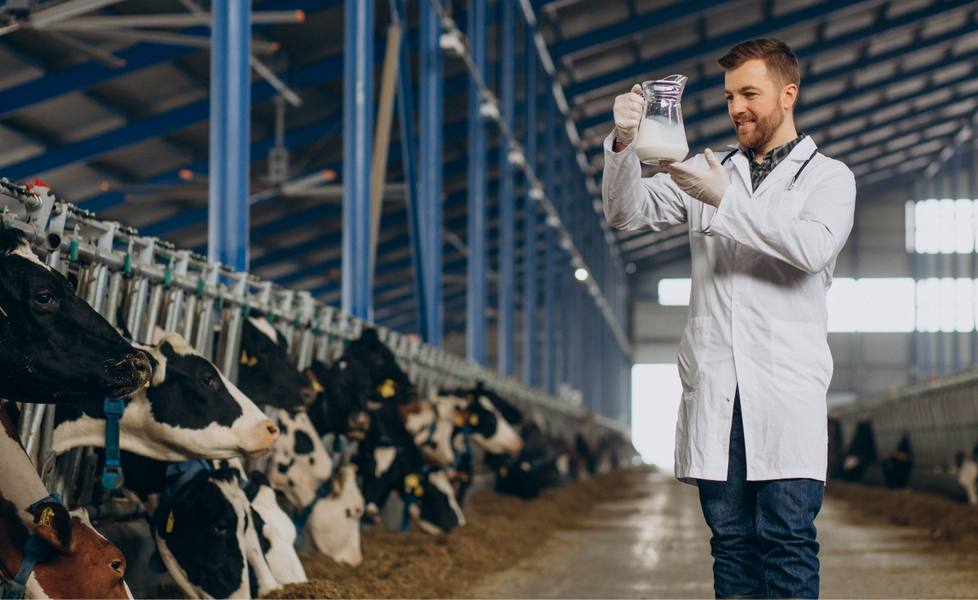
The quality of milk is determined by a whole complex of physicochemical parameters.
Quality control of milk is one of the key elements of the dairy industry. The accuracy of the assessment of the composition and characteristics of raw materials depends not only on the safety of products, but also on the efficiency of production, technological processes of processing and compliance with regulatory requirements.
Modern methods of analysis allow you to quickly determine the main indicators of milk - fat content, protein, density, dry matter level and other parameters. The use of specialized analyzers significantly speeds up the quality control process and makes it more accurate.
In this article we will consider the main indicators of milk quality, methods of their measurement and the role of modern analyzers in laboratory and production practice.
Main indicators of milk quality
The quality of milk is determined by a whole complex of physicochemical parameters. These indicators allow you to assess the nutritional value of the product, identify possible violations of technological processes and detect signs of falsification.
Mass fraction of fat
Fat content is one of the most important indicators of milk. This parameter largely determines:
- nutritional value
- taste
- Suitability of milk for the production of various types of dairy products
For example, in the production of cream, butter or cheese, the fat content of raw materials plays a critical role.
Mass fraction of protein
Protein is the main building component of milk and directly affects the technological properties of raw materials.
High protein content is especially important for the production of:
- cheese
- cottage cheese
- dairy products
Control of this indicator allows manufacturers to optimize processing processes and obtain a more stable quality of finished products.
Dry low-fat milk residue (SOMO)
SOMO - This is an indicator that reflects the content of all milk components except fat and water.
It includes:
- protein
- lactose
- minerals
- other dry components
A change in this indicator may indicate dilution of milk with water or violations in the production process.
Milk density
Milk density is an important physical parameter that is used to assess its naturalness and quality.
This indicator allows:
- detect
- assess the dry matter content
- identify deviations from the normal characteristics of raw materials
Density control is often used in the stages of milk acceptance in processing plants.
lactose
lactose - the main carbohydrate of milk, which plays an important role in the nutritional value of the product.
Lactose control is particularly important:
- baby food
- in the production of specialized products
- scientific research in the food industry.
Minerals
Mineral salts are part of milk and are an important part of its chemical composition.
Analysis of the content of mineral components allows:
- Evaluate the biological value of the product
- control the stability of raw materials
- Identify possible deviations in animal nutrition.
Additional parameters of milk analysis
In addition to the main indicators, in modern laboratory practice, additional characteristics of milk are often analyzed.
Temperature.
Control of milk temperature is necessary to ensure proper storage and transportation conditions.
Violation of the temperature regime can lead to:
- microflora
- deterioration of product quality
- Reduce storage time.
Freezing point
The freezing point of milk is used to detect water dilution.
Even a small addition of water can change this parameter, so it is actively used in laboratory quality control.
Degree of homogenization
This indicator characterizes the distribution of fat particles in milk.
Control of homogenization is especially important in the production of:
- pasteurized milk
- cream
- milk drinks.

Where milk analysis is used
Modern methods of milk analysis are used in various areas of the dairy industry.
Milk processing plants
At processing plants, milk analysis is carried out:
- feed-in
- production
- control of finished products
This allows you to maintain a stable quality of products.
Laboratory studies
Laboratories conduct more detailed studies of milk composition, including extended physicochemical analyses.
Such studies are used:
- scientifically
- developing new products
- to control technological processes.
Veterinary control
Milk composition analysis is also used in veterinary practice.
It allows:
- animal health
- detect malfeasance
- Evaluate the quality of milk on farms.
Educational institutions
Milk analysis is actively used in educational laboratories of agricultural and technological universities.
Students study:
- quality control methods
- laboratory analysis
- Physical and chemical properties of dairy products.
The role of modern milk analyzers
Modern analyzers can significantly speed up the process of milk quality control.
In the past, many laboratory tests required complex procedures and considerable time, but modern devices are able to determine key indicators in just a few minutes.
The use of such devices allows:
- improve measurement accuracy
- reduce the impact of human factors
- speed up laboratory research
- Improve the efficiency of production control.
Depending on the tasks, analyzers can determine a different number of parameters. - from basic composition indicators to expanded physicochemical characteristics of the product.
Development of milk analysis technologies
With the development of technology, devices for analyzing milk are becoming more accurate and functional.
Modern devices are capable of:
- simultaneously measure several indicators of composition
- work in different modes of analysis
- integrate with computer systems
- provide storage and processing of measurement results.
This makes milk analysis more accessible to both large enterprises and small farms.
Quality control of milk is the most important task for the entire dairy industry. The accuracy of the analysis depends on product safety, processing efficiency and compliance with established standards.
Modern methods of analysis allow you to quickly and accurately determine the key indicators of milk - content of fat, protein, dry substances, density, lactose and other parameters. The use of specialized analyzers greatly simplifies laboratory tests and increases the reliability of the results.
The development of milk analysis technologies contributes to improving the quality of products and the development of the dairy industry as a whole.