DAT, DAP, DDP: как разобраться
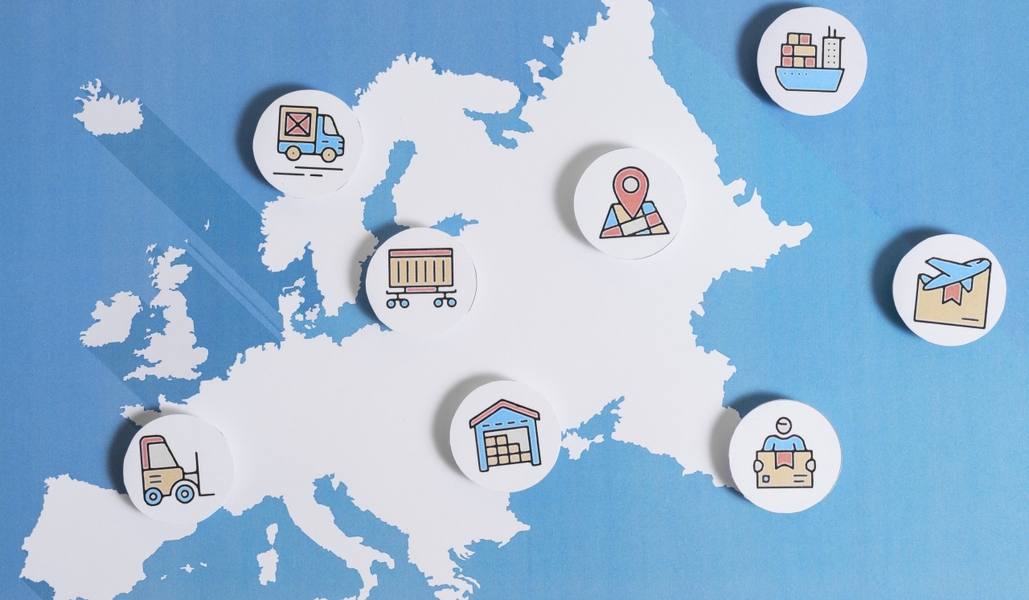
DAT, DAP и DDP — это три ключевых условия поставки, ориентированных на доставку товара до конечной точки.
В международной торговле многое зависит не только от цены и качества товара, но и от того, кто несет ответственность за транспортировку, страховку и таможенные пошлины. Именно для ясного распределения этих обязательств и были разработаны правила Инкотермс (Incoterms) — универсальный свод условий поставки, признанный во всём мире.
Три из наиболее востребованных условий при поставках "до двери" или "до пункта назначения" — это DAT, DAP и DDP. Они часто вызывают путаницу у импортеров и экспортеров, особенно при первой сделке. В этой статье мы разберем:
- Что означают DAT, DAP, DDP?
- В чем между ними разница?
- Какие у них преимущества и риски?
- Как выбрать правильный термин?
Обзор: DAT, DAP и DDP — в чем суть?
Эти термины относятся к группе условий поставки с доставкой до согласованного пункта назначения:
ТерминПолное названиеКто отвечает за доставку?Кто платит пошлины?DAT (заменён на DPU)Delivered at TerminalПродавецПокупательDAPDelivered at PlaceПродавецПокупательDDPDelivered Duty PaidПродавецПродавец
1. DAT — Delivered at Terminal (Инкотермс 2010, заменён на DPU в 2020)
Поставка до терминала (прибывшего на место разгрузки, без пошлин)
DAT предполагал, что:
- Продавец организует транспортировку до терминала (порт, склад, жд-станция)
- Разгрузка включена
- Таможенные пошлины и внутренние налоги — обязанность покупателя
В 2020 году DAT был переименован в DPU (Delivered at Place Unloaded), чтобы подчеркнуть, что доставка может быть не только до терминала, но и до любого места, где возможна разгрузка.
2. DAP — Delivered at Place
Поставка до согласованного места без уплаты пошлин
Суть:
- Продавец несет расходы и риски доставки до указанного места в стране покупателя
- Разгрузка не входит
- Покупатель оформляет импорт и платит пошлины/НДС
Применимо при прямой доставке до склада клиента, таможенного склада, распределительного центра и др.
Пример: китайский производитель отправляет груз в Россию, до склада в Подмосковье, но российская компания сама занимается растаможкой — это DAP Москва, склад покупателя.
3. DDP — Delivered Duty Paid
Поставка до места с полной оплатой пошлин и налогов
Самый "комфортный" для покупателя вариант:
- Продавец берет на себя:
доставку до точки назначения
таможенную очистку в стране импорта
оплату всех ввозных пошлин, НДС, сборов
- Разгрузка по соглашению сторон
Риски для продавца выше, особенно если:
- он не знаком с таможенным законодательством страны покупателя
- в стране импорта нестабильная система сертификации или налогов
Таблица сравнения условий
ПараметрDAT / DPUDAPDDPМесто поставкиТерминал / пункт разгрузкиЛюбое место (без разгрузки)Любое место (включая пошлины)Разгрузкавключенапокупательпо договоренностиТаможня в стране покупателяпокупательпокупательпродавецПошлины и налогипокупательпокупательпродавецРиски для покупателяСредниеСредниеНизкиеРиски для продавцаУмеренныеУмеренныеВысокиеПодходит дляFOB-логистики с разгрузкойВнутренней логистикиe-commerce, маркетплейсы, B2C
Преимущества и недостатки
DAT / DPU
+ Удобно при работе с морскими перевозками и терминалами
– Может вызывать споры, кто отвечает за разгрузку при нестандартных условиях
DAP
+ Прозрачная логистика до дверей покупателя
– Не покрывает пошлины и может тормозить процесс из-за несогласованной растаможки
DDP
+ Максимально просто для покупателя — товар «под ключ»
– Продавец несет ответственность за таможню, сертификацию, налоги, что может быть рискованно
Когда использовать какой термин?
СитуацияРекомендуемый ИнкотермсПокупатель хочет минимальные усилияDDPПродавец не может/не хочет заниматься растаможкойDAPРазгрузка включена, покупатель берет на себя пошлиныDPU (бывший DAT)Маркетплейс, интернет-торговляDDPПартнёры работают через третьи страны или брокеровDAP / DPU
Частые ошибки
- Указан DDP, но продавец не зарегистрирован в стране покупателя — он не сможет оплатить НДС
- Используется DAP, но стороны не договорились, кто разгружает — приводит к простою
- Неправильное указание места: например, "DAP Россия" вместо "DAP г. Москва, ул. ХХХ, склад"
Всегда указывайте точное место и уточняйте: входит ли разгрузка, кто оформляет таможню.
DAT, DAP и DDP — это три ключевых условия поставки, ориентированных на доставку товара до конечной точки. Понимание различий между ними позволяет избежать ошибок, задержек и лишних расходов при международной торговле.
DDP — удобно для покупателя, но рискованно для продавца
DAP — сбалансированный вариант при B2B
DPU (ранее DAT) — хорош при доставке в порты, терминалы с включенной разгрузкой