Expert Digitalization of aviation logistics: online platforms, AI and transportation management


The main change that is happening now is the transition to a unified transportation management system.
Aviation has long been one of the most conservative industries. Despite the speed of transportation, the processes themselves were often built on an outdated model: settlements through managers, coordination by mail, statuses by phone.
Today, this model is rapidly fading into the past.
The market is moving towards full digitalization, where the entire chain - from rate to delivery - It works as a single, transparent algorithm.
Figures that show the trend
Digitalization - This is no longer a hypothesis, but a confirmed trend.
According to WebCargo, in just 4 years, the share of airlines available for e-booking on external platforms has grown from 3% to 40%.
This means that the market has already begun to restructure:
- Transportation becomes more accessible
- processes - faster
- decision - transparently
But what matters is this growth. - It's just the beginning.
How Logistics Works Today (and Why It’s a Problem)
Despite the development of technology, in reality, many processes are still broken.
This is especially noticeable in the Russian market, where one shipment can look like this:
- Payment of the bet through the agent
- then e-mail approval
- further processing through the terminal
- and, finally, receiving information through calls or messengers
This model creates:
delays
errors
- wasting time
Dependence on the human factor
That’s why digitalization - This is not “comfort” but a necessity.
New Standard: A Single Digital Chain
The main change that is happening now - Transition to a unified transportation management system.
The idea is simple:
All stages should be combined in one digital space.
In such a system, a business receives not just a service, but a logistics management tool.
What includes a modern digital platform
Digital aviation logistics - It’s no longer just an application form.
It is a complete ecosystem where the user can:
- calculate the rate in real time
- book
- file
- track down
- support
- manage processes through a single interface
Instructions and standardization play an additional important role:
- how to deliver
- How to design an AWB
How to properly package and label
This reduces errors and speeds up operations.
Cargo terminals: the center of the whole system
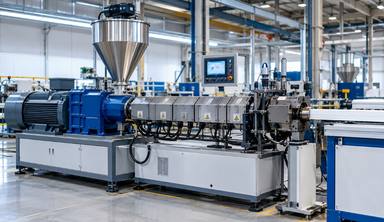
Key driver of digitalization - This is not only IT platforms, but also infrastructure.
Cargo terminals become central to the system because:
- Every load passes through
- They are involved in sending and issuing.
- They shape operational reality.
This is why the digitalization of terminals - This is one of the main factors of market development.
How it already works in practice
Some of the solutions are already being implemented and used in real work.
For example:
- Online calculator allows you to quickly estimate the cost of transportation
- Tracking system provides transparency on cargo status
- Personal offices allow you to arrange operations remotely
These tools can be used today:
- handle
- pass out
- manage balances in terminal accounts
This reduces the burden on employees and speeds up processes.
AI as the next stage of development
When processes are digitized, the next level appears. - using artificial intelligence.
AI does not replace logistics, but strengthens it.
It allows:
- quickly analyze cargo parameters
- pick up the right transport
- speed up decision-making
For example, with non-standard dimensions, the system can immediately offer the best transportation option. - without much agreement.
This is especially important in an environment where the speed of decision-making directly affects the cost.
Where the market is moving
Digitalization has already set the direction for the industry.
Next stage - this:
- integration of services into single platforms
- synchronization of all participants in the chain
- Transition to real-time management
In fact, the market is moving towards a model where logistics becomes completely transparent and manageable through data.
Digitalization in aviation logistics - This is not the trend of the future, but the current reality.
Companies that continue to operate manually begin to lose:
- speedily
- precisely
- cost
And those who are already building digital processes get a systemic advantage.
The main conclusion:
The sooner a business digitizes its processes, the easier it will be to integrate into future global platforms.