Declarant in logistics and trading business

In the context of globalization and the growth of international trade, the services of the declarant are becoming more and more in demand.
Declarant He is a specialist who plays a key role in the logistics and trading business. His mission ensure the correct processing and filing of customs declarations, monitor the compliance of goods with legislative requirements, as well as minimize the risks and costs associated with customs procedures. In the context of globalization and the growth of international trade, the services of the declarant are becoming more and more in demand.
The role of the declarant in international logistics and trade
In logistics and international trade, the declarant performs the following basic functions:
- Registration of customs declarations. The declarant is engaged in filling out all necessary documents for customs clearance of goods. This requires knowledge of the laws and requirements of different countries.
- Classification of goods. The declarant correctly determines the product code according to the HS (Commodity Nomenclature of Foreign Economic Activity), which affects the amount of customs duties and taxation.
- Optimization of customs payments. Thanks to the correct choice of codes HS, the use of benefits and discounts, the declarant helps to minimize customs payments.
- Conformity control. The declarant ensures that the goods meet the requirements of the country of import or export, including certification, licensing and labeling.
- Risk management. The declarant helps to reduce the risks of delays or refusals at customs by identifying possible problems in advance and suggesting ways to solve them.
Why does business need a declarant?
The services of the declarant are in demand for a number of reasons:
- The complexity of customs clearance. Numerous requirements and laws governing international trade often become an obstacle for companies. The declarant ensures the proper execution of all documents, reducing the risk of errors.
- Saving time and resources. The declarant takes over all operations related to customs clearance, which allows the business to focus on the main tasks.
- Minimizing financial risks. Errors in paperwork can lead to fines, cargo delays and increased costs. The declarant helps to avoid such situations.

Key duties and competences of the declarant
The declarant must have deep knowledge in the following areas:
- Customs legislation. The need for knowledge of regulations, rules of customs clearance, taxation and certification.
- Commercial law. Understanding the basics of contract law, regulation of international transactions and Incoterms rules.
- Logistics. Knowledge of the features of transportation, storage and handling of goods.
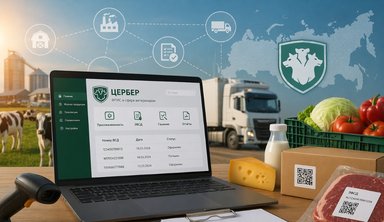
- Ownership of software. Skills of working with electronic declaration programs and systems, such as Electronic Declaration (ED-2), Customs Broker, and others.
Interaction of the declarant with other participants in the supply chain
The declarant is a link between various participants in the logistics chain:
- Customs authorities. The declarant represents the interests of business before the customs authorities, ensuring compliance of all procedures with legislative norms.
- Transport companies. The declarant coordinates actions with transport companies for timely delivery of goods and their registration.
- Manufacturers and suppliers. The declarant interacts with suppliers to obtain all necessary documents and certifications.
Advantages of cooperation with professional declarants
Cooperation with professional declarants brings many advantages to business:
- Reduce the likelihood of errors and penalties. With experience and knowledge of the law, declarants help to avoid errors that can lead to fines and delays in cargo.
- Cost optimization. Declarants use various methods to minimize customs duties and other associated costs.
- Speed of registration. Due to established relations with customs authorities and transport companies, declarants accelerate the process of clearance of goods.
Thus, the declarant performs a key function in international logistics and trade, helping businesses to cope with the difficulties associated with customs clearance and compliance with legal requirements. Companies that use the services of professional declarants gain a competitive advantage by reducing risks, optimizing costs and speeding up delivery processes.