The Impact of Import Subsidy in China: Role in Economic, Industrial and International Trade Development
Import subsidies play a special role in areas where China seeks to reduce dependence on foreign suppliers.
China has been a key player in the global economy for several decades, having a significant impact on international trade, global production chains and investment flows. One of the tools of economic policy that contributes to strengthening the competitiveness of the Chinese economy is the system of government subsidies. Although export subsidies and support for domestic producers have traditionally attracted the most attention of researchers, import subsidies play an equally important role. They allow us to stimulate the import of certain goods, technologies, raw materials and equipment necessary for industrial modernization and sustainable economic growth.
In modern conditions, import subsidies have become one of the mechanisms for implementing China’s strategic goals related to technological development, industrial modernization and increasing the level of national competitiveness. Their influence extends not only to the domestic market of the country, but also to international trade relations, forming new conditions for interaction between states and transnational corporations.
Essence of import subsidies and features of their application in China
Import subsidies are measures of state support aimed at reducing the costs of companies when purchasing foreign goods, equipment, technology or raw materials. Such measures can be expressed in direct financial payments, tax benefits, compensation for part of import costs, preferential lending or special customs regimes.
In the Chinese economic model, import subsidies are not seen as a tool to support the consumption of foreign products, but as a means of achieving national strategic goals. The state encourages imports of goods that can increase the efficiency of domestic production, accelerate innovation and strengthen the position of Chinese companies in the world market.
This policy has become especially important since the start of large-scale industrial modernization programs, including the “Made in China 2025” initiative. Within the framework of these programs, significant attention was paid to attracting advanced technologies, high-precision equipment, microelectronics, robotic systems and other resources necessary for the development of high-tech industries.
China’s import subsidies are thus part of a long-term economic transformation strategy aimed at shifting from a low-cost manufacturing model to a knowledge and innovation economy.
Impact of import subsidies on industrial development
One of the most notable effects of import subsidies has been the acceleration of the modernization of Chinese industry. Due to the reduction in the cost of importing modern equipment, enterprises were able to quickly update production facilities and introduce new technologies.
Many sectors of the Chinese economy have been able to significantly increase productivity thanks to access to foreign technologies. Government support for imports of high-tech products has narrowed the time gap between Chinese companies and the world’s leading manufacturers.
This effect was particularly pronounced in the following sectors:
- microelectronics;
- automotive industry;
- engineering;
- telecommunications;
- production of renewable energy sources.
The use of imported equipment contributed not only to the growth of production volumes, but also to the improvement of product quality. As a result, Chinese enterprises were able to strengthen their positions both in the domestic market and abroad.
Stimulating technological progress
In the XXI century, technological leadership has become one of the key factors in the economic power of the state. China is actively using import subsidies as a tool to accelerate the development of advanced technologies.
Supporting the import of scientific equipment, software, high-tech components and smart solutions allows Chinese companies to reduce their research and development costs. This contributes to the faster introduction of innovations in production processes and the development of our own scientific and technical competencies.
Import subsidies play a special role in areas where China seeks to reduce dependence on foreign suppliers. At the first stage, the state stimulates the acquisition of foreign technologies, and then creates conditions for the formation of national analogues and the development of its own production.
This approach has allowed China to make significant advances in artificial intelligence, telecommunications, digital technology and high-tech products.
Impact on the domestic market and consumers
Import subsidies have an impact not only on industry but also on the consumer sector. Reducing the cost of importing certain categories of goods contributes to the expansion of the range of products and increased competition in the domestic market.
The emergence of foreign goods at more affordable prices encourages domestic manufacturers to improve the quality of their products and introduce innovative solutions. As a result, consumers benefit from a wider choice of goods and services.
In addition, import subsidies help to stabilize domestic markets during periods of shortage of certain raw materials or products. The state can use this mechanism to ensure food, energy or technological security of the country.
Thus, the impact of import subsidies goes far beyond the support of individual companies and becomes a factor in improving the overall level of welfare of the population.
Impact on international trade
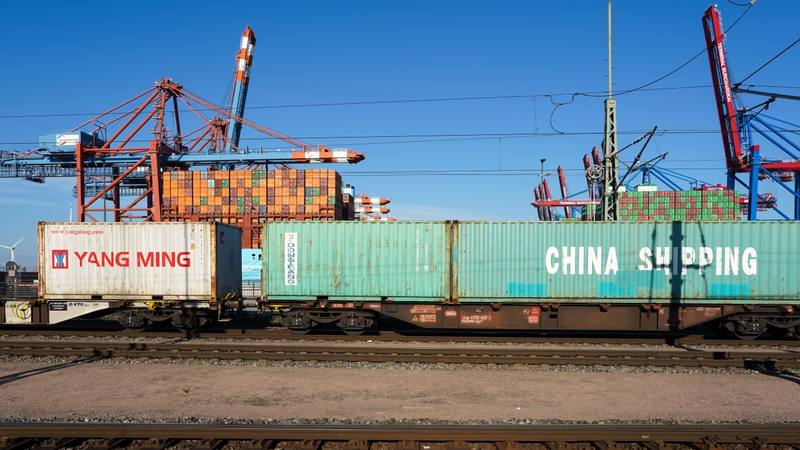
The policy of import subsidies has a significant impact on China’s foreign economic relations. On the one hand, it contributes to the growth of international trade and the strengthening of cooperation with foreign suppliers. Foreign companies gain access to the world’s largest market and the opportunity to expand their presence in China.
On the other hand, such policies are often controversial among trading partners. Some states believe that the large-scale use of subsidies and other instruments of state support creates unequal conditions of competition and can distort market mechanisms.
Nevertheless, for many countries, the Chinese market remains the most important export destination for high-tech products, industrial equipment and raw materials. Therefore, even when there are political differences, cooperation with China continues to play a significant role in world trade.
Import subsidies and economic security strategy
In recent years, economic security issues have become especially important for China. Increased geopolitical competition, trade conflicts and restrictions on the supply of technology forced the country’s leadership to pay increased attention to the sustainability of the national economy.
Import subsidies have become one of the tools to ensure such sustainability. They allow you to quickly increase Purchase of critical goodsDevelop strategic reserves and diversify supply sources.
Support for the import of components for high-tech industries, energy resources and industrial equipment is particularly important. In doing so, China reduces the risks posed by external constraints and strengthens the economy’s ability to adapt to changing international conditions.
In fact, import subsidies become part of a comprehensive system of national economic security, ensuring long-term stability of the state.
Problems and Criticism of Import Subsidies
Despite the obvious advantages, the policy of import subsidies has several disadvantages. One of the main problems is the risk of over-reliance on government support. In some cases, companies may reduce incentives to improve efficiency by relying on continued government assistance.
In addition, the provision of subsidies requires significant budgetary expenditures. If resources are allocated inefficiently, this can reduce the overall effectiveness of economic policies.
There is also a risk of international trade disputes. China’s partners may view certain forms of support as a violation of the principles of free competition, which can lead to the introduction of restrictive measures and deterioration of trade relations.
Therefore, to achieve maximum effect, the state needs to ensure transparency of subsidy mechanisms and constantly assess their economic feasibility.
Conclusion
Import subsidies are an important element of China’s economic policy and have a multifaceted impact on the country’s development. They contribute to the modernization of industry, accelerate technological progress, support the domestic market and strengthen the economic security of the state. Thanks to the use of this tool, China has been able to significantly increase its competitiveness and take a leading position in the world economy.
At the same time, the effectiveness of import subsidies depends on competent government regulation and the ability to adapt support measures to the changing conditions of the global economy. In the future, import subsidies are likely to increase as technological competition and competition for access to strategically important resources become increasingly important drivers of international development.
Thus, China’s import subsidies should be seen not just as an instrument of foreign trade policy, but as an important mechanism for implementing a long-term strategy of economic growth, technological independence and strengthening the country’s position on the world stage.