Honest sign: digital marking of goods, implementation of the system, risks for business and security of the Russian economy

System system "Honest sign." This is not just a tool for accounting goods, but a large-scale digital infrastructure that changes the rules of the game in the economy. This is about creating national traceability systemEach unit of production has a digital identity.
The main idea - Make the market transparent: from production to purchase. This is directly related to tasks such as consumerismThe fight against counterfeiting and whitewashing.
How the System Works: From Code to Control
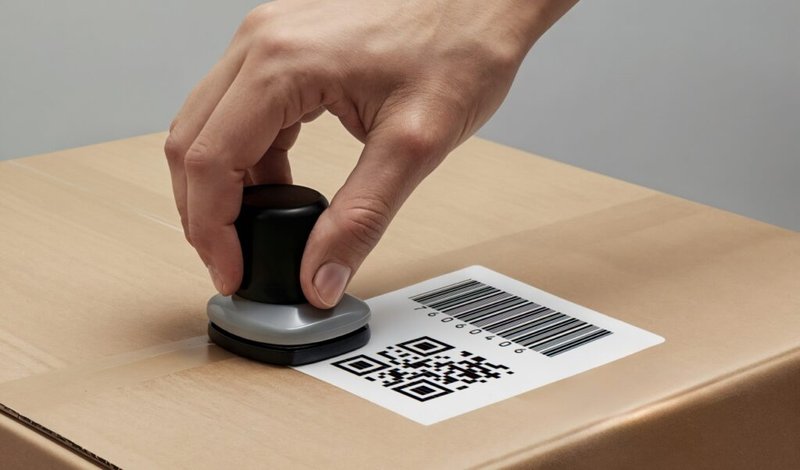
The system is based on digitalization. Each unit is applied Data Matrix Code (Data Matrix Code)containing:
- GTIN (Global Product Code)
- serial number
- origination
This code is scanned at all stages. - From production to cash register. This is how it's formed. transparent supply chainwhere you can trace:
- commodity
- What warehouses and logistics did he go through?
- legality
- authenticity
It turns the market into digitalizationIt is impossible to “lose” the product or hide its origin.
Mass adoption: why the system becomes mandatory
The implementation is gradual, but the trend is obvious. Total coverage of all product groups.
Marking is already mandatory for:
- medicines (through the MDLP system)
- alcohol (EGAIS)
- Products of animal origin (Mercury)
- clothing, shoes, water, dairy products, etc.
The system is integrated with classifiers such as HS EAEUThis makes it part of not only the internal but also cross-border control.
As a result, a single digital ecosystem is formed, where the state sees the movement of goods in almost real time.
Security of the country: not only about goods
“Honest sign” is often perceived as a tool for controlling a business, but its role is broader.
It solves several strategic tasks at once:
- Consumer protection (product quality control)
- reduction of the share of illegal traffic
- tax revenue
- Import control and cross-border trade
- reducing the risks of gray schemes
In fact, the system becomes part of economic security of the countryBecause:
- eliminate mass counterfeiting
- Makes the market predictable
- Strengthen control over critical goods (medicines, food)
How business processes are changing
Implementation of marking - It's not just about sticking a code. This is a profound transformation of the operating model.
Major changes:
1. Unit accounting
Business moves from counting parties to controlling each unit of goods.
2. System integration
It is necessary to combine:
- storage
- ERP
- cash-box
- logistics
3. Automation of cash registers
Selling without code verification becomes impossible - the system automatically block.
4. Warehouse automation
Manual accounting no longer works - Scanning and monitoring are required at each stage.
Risks and challenges of implementation
Despite its strategic importance, business faces serious challenges.
Key risks:
- technical failures Errors in the system can stop sales
- complex integration of systems Especially for older IT solutions
- cost increase equipment, software, personnel training
- dependence on digital infrastructure
- lockdown flawed
Particularly sensitive:
- small and medium-sized
- Companies with outdated processes
- importers with complex logistics
Cross-border trade and control
Marking changes the rules of international trade. Now it matters:
- correct certificate
- declaration
- precision-classification
Any error may result in:
- delay
- impossibility
- follow-up
This strengthens control, but at the same time complicates the processes for business.
Trends: Where the system is headed
Development is moving towards maximum digitalization and control.
Main trends:
- expansion to new product groups
- reinforcement
- integration of all state systems into a single circuit
- Development of mobile applications for inspection of goods
- The growing role of data and analytics
In the future, this will lead to Total market transparencyAny product can be checked in seconds.
What to prepare for business
Major change - This is a transition to a new logic of work.
Business will have to:
- Adapt processes to digital labeling
- Invest in IT and automation
- staff
- quality control
Won:
- Highly automated companies
- system players
- business with a transparent model
Lose:
- grey-market
- manually
- Business without digital infrastructure
"Honest sign" - This is not a temporary initiative, but a fundamental transformation of the economy.
He changes:
- trade-off
- business processes
- level of control
- consumerism
The system is already part of national digital infrastructureIn the coming years, its influence will only grow.
The main conclusion for business: adaptation - Not an option, but a necessity.