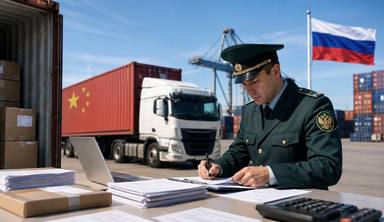
Customs system of Russia: cargo control, registration and rules of work
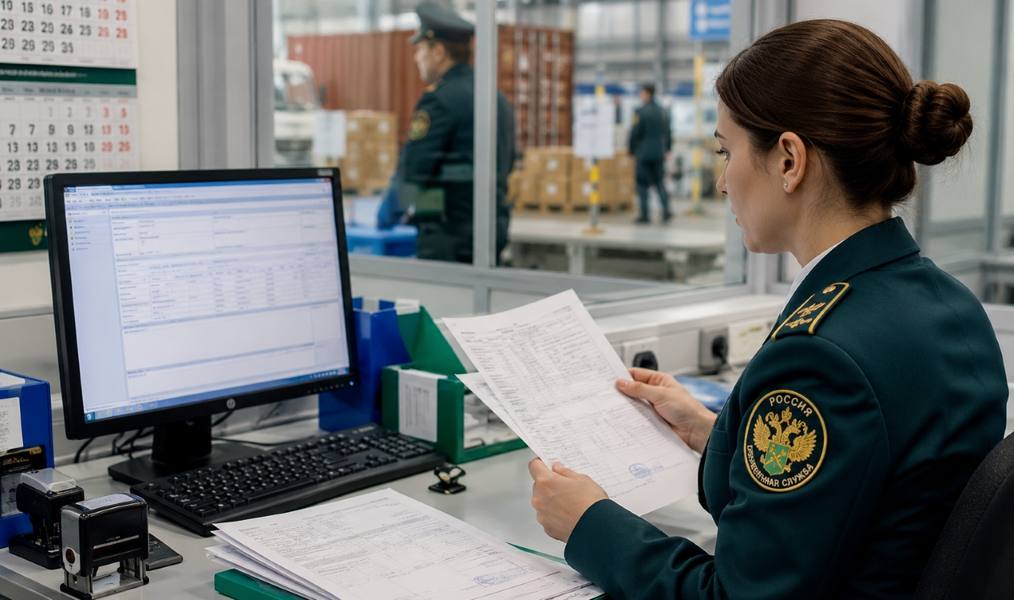
Russian customs has long been more than just a border control system. Today it is one of the key elements of international trade and logistics.
International trade has long ceased to be a mere movement of goods from one point to another. Behind every container, truck, train or air delivery is a complex system of control, documents and procedures. It is the customs system that becomes the mechanism through which almost the entire international trade of the country passes.
For customs business - It's not just checking documents at the border. It affects delivery times, logistics costs, the speed of turnover of goods and the sustainability of the entire supply chain. Even minor delays in registration can change the economics of transactions, especially when it comes to large batches of products, industrial equipment, the agricultural sector or international trade.
Today, the Russian customs system is a single federal structure that operates according to general rules throughout the country, but has its own characteristics depending on the region, the type of cargo and the direction of supply.
How the Russian customs system is structured
The basis of the system is the Federal Customs Service (FCS of Russia), which is responsible for controlling the movement of goods across the border, administration of payments and compliance with legislation.
The system is built on a multi-level principle and includes:
- central apparatus;
- regional customs administrations;
- customs;
- customs posts;
- Specialized control units.
In fact, the entire territory of Russia is divided into areas of responsibility. This allows you to coordinate the handling of huge volumes of cargo and at the same time apply uniform rules of operation.
At the same time, modern processes are less and less reminiscent of the traditional picture, where the cargo is checked only directly at the border. A significant part of the procedures has long been translated into digital format.
What happens after the shipment arrives
For many companies. customs It looks opaque, although the scheme itself is quite logical.
After the arrival of the cargo, a consistent verification of the information begins:
First, the delivery is registered and the declaration is filed.
Then check:
- documents;
- origin of the goods;
- HS code;
- cost of production;
- Permission documentation;
- There are limitations.
The system then assesses the level of risk and determines the need for additional checks.
Depending on the results, the cargo may:
- pass the release automatically;
- get to documentary check;
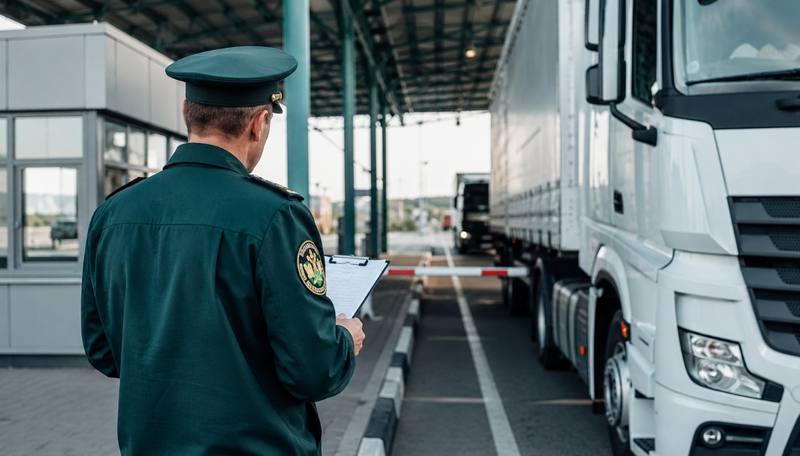
- be sent for inspection;
- require additional expertise.
In many cases, clearance takes several hours, but certain categories of cargo can be checked much longer.
Why Customs Procedures Can Be Different
Businesses often have a question: if the rules are the same, why is the registration in different regions sometimes different?
There are several reasons.
First, the categories of goods differ. Inspection of Clothing Container and Industrial Equipment - completely different processes.
Secondly, the country of origin of the goods is important. For some areas, there are additional requirements, restrictions, or enhanced controls.
Third, the level of risk that the system assigns to the supply plays an important role.
Evaluation is influenced by:
- Company history;
- Correctness of documents;
- frequency of supply;
- product category;
- features of the route;
- cost of goods.
That is why two apparently similar deliveries can be issued according to different scenarios.
Digitalization is changing the way customs work
In recent years, the Russian customs system is actively moving into electronic format.
In the past, a significant part of processes was based on paper documents and personal interaction, but today most operations are performed automatically.
Currently in use:
- electronic declaration;
- automatic release;
- electronic declaration centers;
- risk management systems;
- Integration with public services.
For businesses, this means reducing the processing time and reducing the number of manual procedures.
For example, many deliveries are already released without an inspector unless the system identifies potential risks.
How Customs Affects Logistics
Many people perceive customs as a separate stage of transportation, but in reality it is part of the entire logistics chain.
Any change in the requirements shall affect:
- delivery time;
- transportation costs;
- routes;
- warehouse logistics;
- financial planning.
For example, if the registration procedure is extended even for several days, the company may face additional costs:
- storage of containers;
- simple transport;
- changes in delivery schedules;
- Increased storage costs.
Large companies are increasingly integrating customs planning into their overall logistics strategy.
What goods require increased control
Not all product categories undergo the same procedure.
Additional attention is usually given to:
- agricultural products;
- food products;
- medical products;
- chemical products;
- industrial equipment;
- Dual-use goods;
- products with import or export restrictions.
In such cases, additional certification, laboratory checks or permits may be required.
What will change next?
International logistics continues to be rebuilt, and with it, approaches to customs regulation are changing.
Several key areas are already visible:
- further digitalization of processes;
- increase in automatic control;
- development of analytical systems;
- data integration between departments;
- strengthening the traceability of goods;
- Decrease in paperwork.
For businesses, this means a gradual shift from manual design to a more predictable digital work model.
Russian customs has long been more than just a border control system. Today it is one of the key elements of international trade and logistics.
The speed of registration, quality of documents and understanding of procedures determine the movement of millions of tons of products around the country and abroad.
For companies, working with customs becomes not only a legal issue, but also part of the strategy of managing supply, costs and risks.