PZTK: what it is and how it works
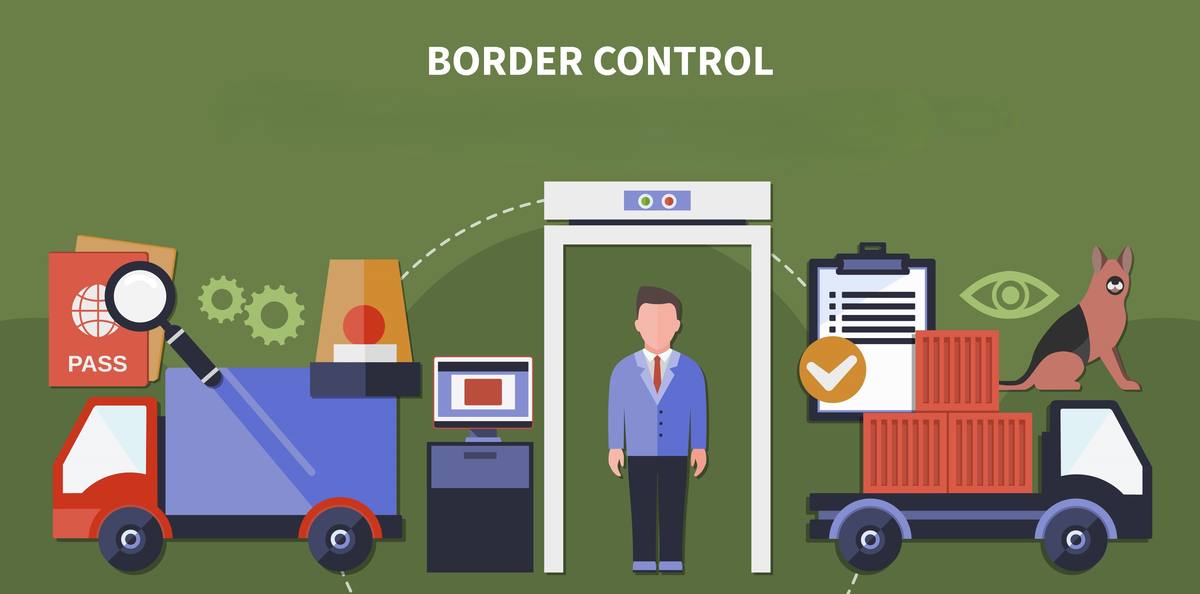
PPTC is an effective tool for optimizing international logistics.
PLTA - Customs (or Border) Controla special zone or point located outside the state border, where additional inspection and clearance of goods is carried out. This term is especially relevant in the context of import and export of goods between countries, especially in complex logistics routes, rail and multimodal transportation.
What is a BOTT
PZTK (Post of Customs Control) is a point where:
- customs inspection of cargo is carried out;
- documents are issued for already executed or previously declared cargoes;
- It is possible to complete or continue customs procedures.
Normally the PPTC is located:
- domesticallynot at the border;
- on the territory of logistics terminals, SVC or multimodal hubs;
- nearerTo simplify logistics.
How PPLT works
The working mechanism can be described in stages:
- Cargo crosses the border This is the primary control (transit).
- Instead of full customs clearance at the border, the cargo is shipped. interior - to the PPTC.
- PLTA. One option is being implemented:
- completion of the transit procedure;
- search;
- submission or adjustment of the declaration;
- payment of duties and taxes;
- release of goods into free circulation.
This approach allows for discharge and speed up the movement of goods.
Where PPLT is used
PLTAs apply:
- on railway logistics hubs (for example, in Suifenhe, Manchuria, Zabaikalsk, Erenhoto, Alashankou);
- into checkpoints with a high load;
- on multimodal terminalswhere the sea container arrives and goes further inland by railway;
- into free economic zones (FEZ);
- into temporary storage, registered under the PPTC regime.
Advantages of using PPTC
1. Unloading of border crossings
- Accelerates border clearance.
- Reduces congestion and downtime.
2. Simplification of logistics
- Cargo moves faster inland.
- The ability to flexibly plan routes, especially for railways.
3. Flexibility in customs clearance
- You can choose a more convenient region for rates.
- Possibility of correcting errors in the declaration already.
4. Reducing costs
- In some cases customs clearance inland is cheaper (e.g. below the coefficients for calculating VAT or logistics to the warehouse).
- Reducing the risk of additional downtime at the border.
5. Control and security
- The goods are controlled by customs to the recipient.
- There are more opportunities for sampling, inspection, identification.
Deficiencies and limitations of PPB
1. Limited list of items
- Not all directions have PPTC.
- Not all logistics companies are able to do this.
2. Transit clearance required
- The cargo must pass through transitwith mandatory accompaniment or seals.
- Additional documents and expenses arise.
3. Technical failures and queues
- Registration on the PPTC is sometimes delayed due to technical errors, overload or shortage of employees.
4. Risks of sanctions control
- If the item is subject to additional checks or restrictions, the PZTK can be a place where it is "freezed" until clarified.
Example of the use of PPLT
Import of equipment from China to Moscow:
- The container crosses the border through Manchuria – Zabaikalsk.
- At the border, it does not pass customs clearance, but is issued for transit to the PZTK in the Moscow region.
- BOTTOM:
- inspection is carried out;
- declarations are drawn up;
- Fees are paid;
- The cargo is put into circulation.
Benefits: customs clearance in Moscow, saving on logistics and prompt arrival to the warehouse.
What you need to work with PPLT
In order to use PPTC in the import scheme, it is necessary to:
- Sign a contract with a logistician who has License and access to a specific PPTC.
- Indicate PZTK as a place of customs clearance in the documents.
- Get guarantee or pay duties for the movement of goods in transit.
- Registrate customs declaration through a broker.
Where to find the PPZ list
In Russia and China, the list of active PPTTs is:
- FCS of Russia: https://www.customs.gov.ru
- PRC (General Administration of Customs): http://english.customs.gov.cn
PPTC is an effective tool for optimizing international logistics. It allows you to move the key stages of registration closer to the recipient, reduce costs and avoid overloading the border. However, the use of PPTC requires high accuracy in documentation and cooperation with experienced logisticians and brokers.
Whether you are working with rail, container or multimodal transportation, PPTC can be an important element of your logistics strategy.