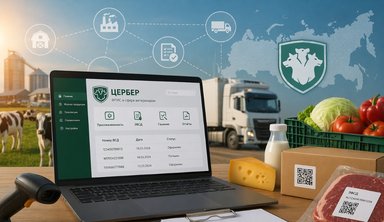
Preliminary control of the FCS in 2025

Preliminary control is a system of measures and analytical procedures that the FCS applies at the preparatory stage of delivery.
Russian System of Customs Regulation There have been significant changes in recent years. The Federal Customs Service (FCS) is actively introducing new tools, and one of the key trends is the transition to a new system. pre-examination. Previously, the inspection began after the submission of the goods declaration (GD), now the emphasis is on data analysis and risk identification. before paperwork.
This means that any enterprise conducting foreign economic activity (FEA) faces a deeper and earlier inspection. Understanding this mechanism helps reduce the risks of delays and avoid additional costs.
What is Preliminary Control?
Preliminary control is a system of measures and analytical procedures that the FCS applies. at the preparatory stage of delivery.
It includes:
- verification of documents related to the future declaration;
- analysis of data on the importing company and its counterparties;
- assessment of the delivery scheme and the route of the cargo;
- Comparison of the value and characteristics of goods with market and statistical data.
The main goal is to identify potential violations and risks before the release of the product to minimize delays and reduce the likelihood of fraud.
What tools does the FCS use?
In 2025, the preliminary control is fully automated and based on Risk management system (RMS).
FCS relies on:
- foreign trade contracts and their annexes;
- history of previous shipments companies;
- banknote on foreign exchange transactions;
- reference Logistics companies and brokers;
- tax and legal information on counterparties;
- Algorithms that detect suspicious routes or batch splitting.
Risk Factors That Are Paying Attention
FCS identifies a number of signals that automatically increase the level of risk:
- Frequent change of suppliers or countries of origin suspected circumvention of restrictions or certification.
- Undervalued customs value The main trigger for inspections.
- Miscellaneous HS codes For similar products, an attempt to reduce duties.
- Contracts with offshore or fictitious companies.
- Inconsistency of supply and the scale of the business - for example, a small enterprise imports too large lots.
How to Reduce Risk with Preliminary Control
To pass the check without delay, it is important to prepare in advance. Main recommendations:
- Contracts must be relevant, complete, with applications (specifications, invoices, schedules).
- Documents - exclude inconsistencies by name, weight, price and quantity.
- Contractors - check through the USRLE, FTS, international bases.
- Logistics - transparent routes, the exclusion of "gray" links.
- Finance. Currency transactions must comply with the terms of the contract.
- Broker An experienced representative helps to avoid mistakes in DT.
Control of the release phase
Even if the preliminary control is passed, additional requests are possible at the stage of release of the goods.
Most often, problems arise due to:
- too general descriptions (“equipment”, “parts”);
- absence of annexes to the contract;
- discrepancies in invoices and DT;
- Incorrectly executed benefits on duties.
Mini checklist for FEA participants
- The contract with applications and specifications is ready before shipment.
- The description of the product is as detailed as possible (brand, model, TU, GOST).
- Price and weight data are the same in all documents.
- When using benefits, there are explanatory letters and references to regulations.
- All documents are agreed with the broker 1-2 weeks before delivery.
In 2025. pre-control It has become a key element of customs administration. Now the check begins long before the filing of the declaration, which means that errors and inconsistencies are detected earlier.
The main conclusion for business: the winner is not the one who looks for loopholes, but the one who builds transparent system of document management and logistics. The higher the readiness of the importer, the faster the registration and the less the risks of delays or losses.