Certification of warehouse services: the experience of China
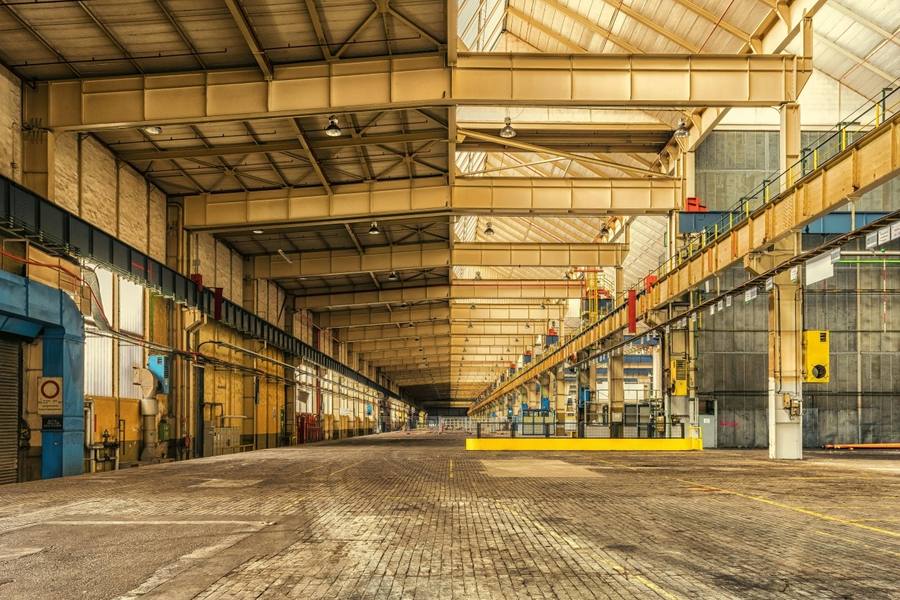
For businesses working with China, warehouse certification is not just a formality, but a strategic advantage.
Китай — один из мировых лидеров в сфере логистики и складского хранения. Высокая плотность торговли, развитая инфраструктура и масштабные экспортно-импортные операции требуют строгого контроля и стандартизации складских услуг.
Сертификация складских услуг в Китае играет важную роль в обеспечении безопасности, эффективности и соответствия международным требованиям. Китайские компании придерживаются жестких стандартов управления складскими объектами, внедряют цифровые технологии и следят за соблюдением экологических норм.
В данной статье рассмотрим основные требования к сертификации складов в Китае, классификацию складских объектов, используемые стандарты и мировой опыт в этой сфере.
Значение сертификации складских услуг
Сертификация складов необходима для:
- Повышения доверия клиентов — компании стремятся к подтверждению качества логистических услуг.
- Соблюдения государственных норм — Китай ужесточает контроль за хранением товаров, особенно пищевой продукции, химикатов и медикаментов.
- Снижения рисков — стандарты минимизируют потери товаров и повышают безопасность сотрудников.
- Оптимизации логистики — сертифицированные склады быстрее проходят проверки и работают по упрощенной схеме документооборота.
Виды складов в Китае и их классификация
В Китае существует несколько типов складских объектов, различающихся по уровню автоматизации, назначению и требованиям к сертификации.
Классификация по назначению
- Обычные склады (普通仓库, Pǔtōng Cāngkù) — предназначены для хранения товаров широкого потребления.
- Температурные склады (冷库, Lěngkù) — используются для хранения продуктов питания, фармацевтических препаратов и других товаров, требующих соблюдения температурного режима.
- Специализированные склады (专业仓库, Zhuānyè Cāngkù) — предназначены для химических веществ, опасных грузов и электроники.
- Таможенные склады (保税仓库, Bǎoshuì Cāngkù) — используются для временного хранения импортных товаров без уплаты пошлин.
Классификация по уровню автоматизации
- Традиционные склады — управление осуществляется вручную, без использования автоматизированных систем.
- Полуавтоматизированные склады — применяются механизированные стеллажи и системы учета.
- Интеллектуальные склады (智能仓库, Zhìnéng Cāngkù) — оснащены системами искусственного интеллекта, роботизированными штабелерами и автоматизированными линиями учета.
Основные стандарты сертификации складских услуг в Китае
Китай применяет как национальные стандарты, так и международные системы сертификации.
Национальные китайские стандарты
- GB/T 28581-2012 — стандарты управления складской логистикой, включающие правила хранения, учета и контроля.
- GB 8958-2016 — требования к складам для хранения пищевой продукции.
- GB 190-2009 — нормы безопасности для складов с опасными грузами.
- GB/T 18354-2016 — управление цепочками поставок и контроль качества складских операций.
Международные стандарты, используемые в Китае
- ISO 9001 — система управления качеством складских услуг.
- ISO 14001 — экологические стандарты управления складскими объектами.
- ISO 45001 — охрана труда и безопасность персонала на складах.
- HACCP — контроль качества хранения пищевых продуктов.
- GMP — стандарты для фармацевтических складов.
Сертификация складов электронной коммерции
С учетом бурного роста онлайн-торговли в Китае логистические компании стремятся сертифицировать свои склады по стандартам JD Logistics, Cainiao Network (Alibaba) и SF Express. Эти сертификации подтверждают соответствие складов требованиям крупнейших китайских маркетплейсов.
Процедура сертификации складов в Китае
Основные этапы сертификации
- Подготовка документов — компания предоставляет уставные документы, технические характеристики склада, планы помещений и данные о системе управления.
- Аудит объекта — эксперты проверяют соответствие склада стандартам.
- Оценка управления процессами — анализируются системы учета, контроля температурного режима, безопасности и документооборота.
- Испытания и тестирование — проводится проверка оборудования, систем вентиляции, пожарной безопасности и защиты товаров от повреждений.
- Выдача сертификата — после успешного прохождения всех этапов склад получает официальное подтверждение соответствия.
Государственные органы и организации, выдающие сертификаты
В Китае сертификацией складов занимаются:
- Администрация по стандартизации Китая (SAC, 国家标准化管理委员会)
- Государственное управление по рынкам (SAMR, 国家市场监督管理总局)
- Китайская ассоциация логистики и закупок (CFLP, 中国物流与采购联合会)
Преимущества сертифицированных складов
- Упрощенный экспорт и импорт — товары на сертифицированных складах быстрее проходят таможенные процедуры.
- Повышение доверия клиентов — крупные бренды предпочитают работать с сертифицированными логистическими компаниями.
- Снижение издержек — автоматизированные процессы помогают минимизировать потери и затраты.
- Соответствие требованиям международных партнеров — компании, работающие с иностранными заказчиками, обязаны соблюдать мировые стандарты.
Китайский опыт в сертификации складских услуг: чему может научиться мир?
Китай разработал комплексную систему контроля за складской логистикой, которая может быть полезна другим странам:
- Гибридные модели складов — сочетание автоматизированных и традиционных решений помогает адаптироваться к разным типам грузов.
- Государственная поддержка цифровизации — внедрение блокчейн-технологий и искусственного интеллекта в складскую логистику.
- Экологический контроль — жесткие требования к углеродному следу складов и энергоэффективности.
- Интеграция с онлайн-коммерцией — сертифицированные склады работают в связке с маркетплейсами, обеспечивая быструю доставку товаров.
Китайский опыт сертификации складских услуг демонстрирует важность стандартов качества, автоматизации и государственного контроля. Благодаря строгим требованиям и внедрению цифровых технологий китайские склады обеспечивают надежность, безопасность и эффективность хранения товаров.
Для бизнеса, работающего с Китаем, сертификация складов — это не просто формальность, а стратегическое преимущество, позволяющее укрепить позиции на рынке и повысить доверие клиентов.