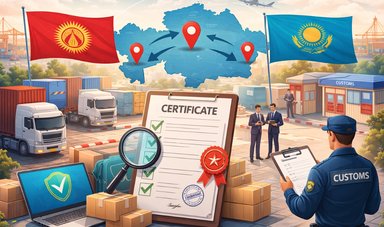
Authentication of the certificate of conformity

Certificate verification through the register of RusAccreditation: how to confirm the authenticity of the document, verify the HS and avoid problems with delivery?
Сертификат соответствия — важный документ, который гарантирует, что продукция отвечает требованиям безопасности и качества. Однако на рынке можно столкнуться с поддельными или недействительными сертификатами. В этой статье разберем, как проверить их подлинность, какие инструменты использовать и на что обратить внимание.
Основные способы проверки подлинности
Проверка в реестре Росаккредитации
Официальный сайт Федеральной службы по аккредитации (Росаккредитация) — https://www.fsa.gov.ru/, где содержится актуальная информация обо всех выданных сертификатах.
Как проверить сертификат соответствия:
- Перейдите в раздел «Реестры» → «Сведения о сертификатах соответствия».
- Введите номер сертификата или название организации.
- Проверьте дату выдачи, срок действия и сведения о сертифицируемом товаре.
Если сертификат отсутствует в базе, это повод усомниться в его подлинности.
Проверка через Единый реестр сертификатов соответствия ЕАЭС
Если продукция сертифицирована по техническим регламентам Таможенного союза (ТР ТС), данные о документе можно найти в Едином реестре ЕАЭС (https://portal.eaeunion.org/).
Шаги проверки:
- Перейдите в раздел «Реестр сертификатов соответствия».
- Введите регистрационный номер или ИНН организации.
- Сравните информацию на сайте с данными, указанными в сертификате.
Если сведения не совпадают или отсутствуют, сертификат может быть поддельным.
Проверка на сайте органа, выдавшего сертификат
Орган по сертификации, который выдал документ, обязан размещать информацию о нем на своем официальном сайте.
Что делать:
- Найти сайт сертификационного органа.
- Проверить сертификат по номеру или ИНН.
- Связаться с организацией и запросить подтверждение.
Если орган сертификации не подтверждает выдачу документа – это явный признак подделки.
Визуальная проверка сертификата
Проверка реквизитов
Настоящий сертификат должен содержать:
- Полное название сертификационного органа и его регистрационный номер.
- Уникальный номер сертификата.
- Дату выдачи и срок действия.
- Наименование и описание продукции.
- Данные о производителе или поставщике.
- Подпись и печать сертификационного органа.
Отсутствие хотя бы одного из этих элементов – повод усомниться в подлинности документа.
Проверка штампов и печатей
- Оригинальный сертификат печатается на специальном бланке с водяными знаками.
- Обязательно наличие мокрой печати органа по сертификации.
- Электронные сертификаты подписываются цифровой подписью (ЭЦП).
Если печать размыта или выглядит неестественно – это может быть подделка.
Сравнение с образцами официальных сертификатов
На сайте Росаккредитации можно найти образцы сертификатов. Если визуально ваш документ сильно отличается – стоит провести дополнительную проверку.

Дополнительные методы проверки
Запрос в сертификационный орган
Если у вас есть сомнения в подлинности, можно направить официальный запрос в организацию, выдавшую документ.
Что указать в запросе:
- Номер сертификата.
- Название компании-владельца.
- Дату выдачи.
Организация должна подтвердить или опровергнуть подлинность сертификата.
Анализ контрагента
Если поставщик предоставил вам сомнительный сертификат, стоит проверить его самого:
- Посмотреть информацию о компании на сайте налоговой (https://egrul.nalog.ru/).
- Проверить, аккредитован ли орган, выдавший документ, на https://www.fsa.gov.ru/.
Часто поддельные сертификаты выпускают компании-однодневки, не имеющие аккредитации.
Проверка через специализированные сервисы
Существуют платные и бесплатные сервисы для проверки подлинности документов, такие как:
- СБИС (https://sbis.ru/)
- Контур.Фокус (https://focus.kontur.ru/)
- РусПрофиль (https://rusprofile.ru/)
Эти системы анализируют данные о юридическом лице, включая выданные сертификаты.
Что делать, если сертификат поддельный?
Если вы обнаружили поддельный сертификат, следует:
- Отказаться от работы с таким поставщиком.
- Сообщить в Росаккредитацию через форму на сайте https://www.fsa.gov.ru/.
- Подать жалобу в Роспотребнадзор, если речь идет о товарах для потребителей.
- При необходимости обратиться в правоохранительные органы.
Использование фальшивых сертификатов – серьезное нарушение, за которое предусмотрены штрафы и уголовная ответственность.
Проверка подлинности сертификата соответствия – важный этап при покупке продукции, особенно если речь идет о сертифицированных товарах. Используйте официальные реестры, анализируйте документ визуально и проверяйте его через сертификационный орган. Это поможет избежать проблем с контрафактом и снизить бизнес-риски.