The role of data analysis in marketing
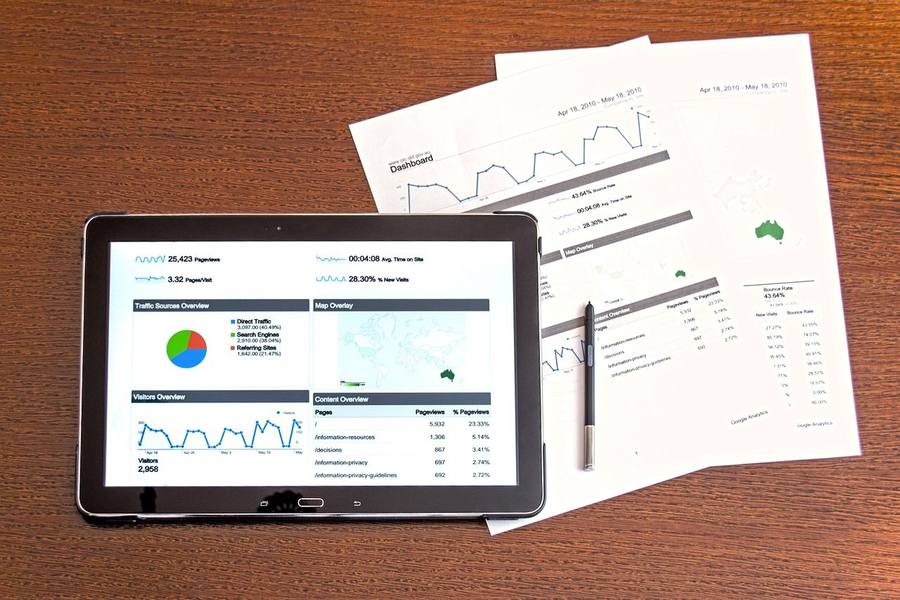
Data analysis has become an integral part of marketing in the digital age.
Data analysis has become an integral part of marketing in the digital age. Companies collect vast amounts of data to better understand their customers, develop accurate strategies, and improve the effectiveness of their campaigns. In this article, we look at the key aspects of using data in marketing, from its collection and processing to practical application to achieve business goals.
Data collection and storage: the foundation of successful marketing
The basis of any data analysis is the collection process. Companies use a variety of data sources, including social media, website behavior, CRM systems, mobile apps, and sales data. Modern technologies allow us to collect data with a high degree of detail, ranging from demographic information to more complex metrics, such as user behavior and preferences.
It is important not only to collect data, but also to store it correctly. To do this, cloud storage and specialized databases are used to ensure the security and availability of data. Without good data collection and storage, subsequent analysis may be inaccurate and ineffective.
Data processing: turning data into valuable information
The data collected must be processed and converted into a form that allows us to extract useful insights from them. Tools such as:
- Big Data and Hadoop: Processing large amounts of data in real time.
- Analytics platforms (e.g. Google Analytics, Tableau): To visualize data and create reports.
- Machine learning algorithms: Automation of data processing and identification of hidden patterns.
Data processing allows you to segment customers, analyze their behavior and predict future actions. For example, analyzing a customer’s purchase history can help predict their future purchases and develop personalized offers.

Application of data in marketing strategies
After processing, the data becomes the basis for making marketing decisions. Let’s look at a few areas where data plays a key role:
- Audience segment: Data allows you to divide customers into groups by different characteristics (age, gender, interests, etc.), which makes it possible to create targeted marketing campaigns.
- Personalization: Analysis of customer behavior allows you to provide personalized recommendations, which significantly increases their engagement and satisfaction.
- Campaign optimization: Data helps to track the effectiveness of marketing campaigns in real time and make changes to achieve better results.
- Pricing and discounts: Using data on demand and customer behavior allows you to develop a dynamic pricing strategy and determine the optimal discounts.
Trends and challenges in the use of data in marketing
Data analysis in marketing is constantly evolving and new trends are emerging, such as:
- Artificial intelligence (AI) and machine learning: With their help, companies can automate the data analysis process and get more accurate forecasts.
- Real-time analysis: Modern tools allow companies to quickly respond to changes in customer behavior, which is especially important in a highly competitive environment.
- Ethics and confidentiality of data: With the growth of data, the requirements for their protection also increase. Companies must comply with data protection laws such as GDPR and ensure the confidentiality of customer information.
Data as the basis of competitive advantage
In modern marketing, data has become a major source of competitive advantage. Companies that effectively collect, process and apply data are able to better understand their customers, develop more effective strategies and achieve better results. However, it is important to remember that the use of data requires not only technical expertise, but also an ethical approach to maintain customer trust and comply with legal requirements.