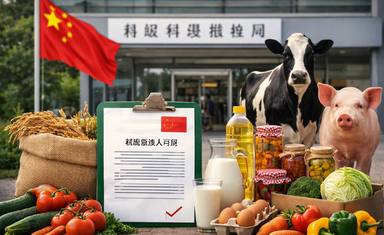
Branding of Russian goods for the Chinese market

Branding of Russian goods for the Chinese market requires deep localization, the use of digital tools to promote and take into account cultural characteristics.
Китайский рынок — один из самых перспективных для экспорта российских товаров. Однако высокая конкуренция и специфика потребительского поведения требуют грамотного подхода к брендингу. Чтобы успешно продавать российские товары в Китае, важно адаптировать стратегию продвижения под местные реалии, учитывать культурные особенности и выстраивать эффективную маркетинговую коммуникацию.
В этой статье рассмотрим ключевые аспекты брендинга российских товаров для китайского рынка, ошибки, которых стоит избегать, и эффективные стратегии продвижения.
Особенности китайского потребителя
Ценности и предпочтения
Китайские покупатели ориентированы на:
- Престижность и статус — китайцы ценят известные бренды и готовы платить за них больше.
- Качество и безопасность — доверие к зарубежным продуктам выше, особенно в категориях детских товаров, косметики и продуктов питания.
- Традиции и культура — символика, цветовая палитра, названия брендов должны соответствовать китайской культуре.
Влияние цифровых технологий на потребление
- Покупки через онлайн-платформы (Tmall, JD.com, Taobao) преобладают над офлайн-шопингом.
- Социальные сети (WeChat, Weibo, Xiaohongshu) играют ключевую роль в формировании спроса.
- Решения принимаются коллективно — рекомендации друзей, семьи и блогеров влияют на покупку больше, чем реклама.
Локализация бренда: ключевые аспекты
Адаптация названия и логотипа
- Перевод бренда на китайский язык — он должен быть благозвучным и нести положительный смысл. Например, Coca-Cola в Китае звучит как "可口可乐" (Kěkǒu Kělè), что переводится как «вкусно и радостно».
- Изменение логотипа — шрифты, символы, цветовая гамма должны соответствовать местным представлениям об удаче и благополучии.
Цветовая палитра
- Красный — символ удачи и благополучия.
- Золотой — ассоциируется с богатством и успехом.
- Чёрный и белый — могут нести негативные коннотации, их использование должно быть осторожным.
Упаковка и дизайн
- Дизайн должен быть ярким и информативным, с пояснениями на китайском языке.
- Сертификационные знаки и гарантии качества повышают доверие к товару.
- Элементы традиционной китайской культуры (например, узоры, иероглифы) могут повысить привлекательность.

Продвижение бренда на китайском рынке
Использование китайских маркетплейсов
Основные платформы для продажи российских товаров:
- Tmall Global — для международных брендов.
- JD.com — платформа для товаров с быстрой логистикой.
- Taobao — удобно для тестирования спроса и первых продаж.
Чтобы добиться успеха, важно:
- Работать с локальными партнёрами, которые помогут с логистикой и сертификацией.
- Использовать рекламу внутри маркетплейсов (например, Tmall Ads).
- Обеспечивать положительные отзывы и работать с лидерами мнений.
Социальные сети и инфлюенс-маркетинг
- WeChat — основная платформа для общения и продвижения. Здесь важны мини-программы, блоги и корпоративные аккаунты.
- Xiaohongshu (Little Red Book) — идеален для товаров премиум-класса, косметики, моды.
- Douyin (TikTok China) — видеоконтент с обзорами товаров.
- KOL (Key Opinion Leaders) — сотрудничество с блогерами и лидерами мнений повышает доверие к бренду.
Участие в выставках и B2B-событиях
Выставки, такие как China International Import Expo (CIIE), помогают наладить связи с дистрибьюторами и конечными потребителями.
Ошибки при выходе на китайский рынок
- Игнорирование локализации — неподходящее название бренда или упаковка могут оттолкнуть потребителей.
- Неправильный выбор площадки — выход на неподходящий маркетплейс без анализа спроса ведет к убыткам.
- Слабая маркетинговая стратегия — без продвижения в соцсетях и через KOL трудно добиться успеха.
- Нарушение нормативов — несоответствие сертификационным требованиям ведёт к запрету продаж.
- Отсутствие поддержки клиентов — китайские потребители ожидают моментальной обратной связи и высокого уровня сервиса.
Брендинг российских товаров для китайского рынка требует глубокой локализации, использования цифровых инструментов продвижения и учета культурных особенностей. Успешные компании адаптируют свой маркетинг, работают с местными платформами и активно взаимодействуют с потребителями через социальные сети.
Краткие рекомендации для успешного брендинга в Китае:
- Адаптируйте название, логотип и упаковку.
- Используйте маркетплейсы и продвигайтесь в WeChat, Douyin, Xiaohongshu.
- Работайте с инфлюенсерами и лидерами мнений.
- Участвуйте в выставках и B2B-мероприятиях.
- Предоставляйте высокий уровень клиентского сервиса.
Грамотный брендинг поможет российским товарам не только закрепиться на китайском рынке, но и занять лидирующие позиции.