Rail logistics: the importance and benefits
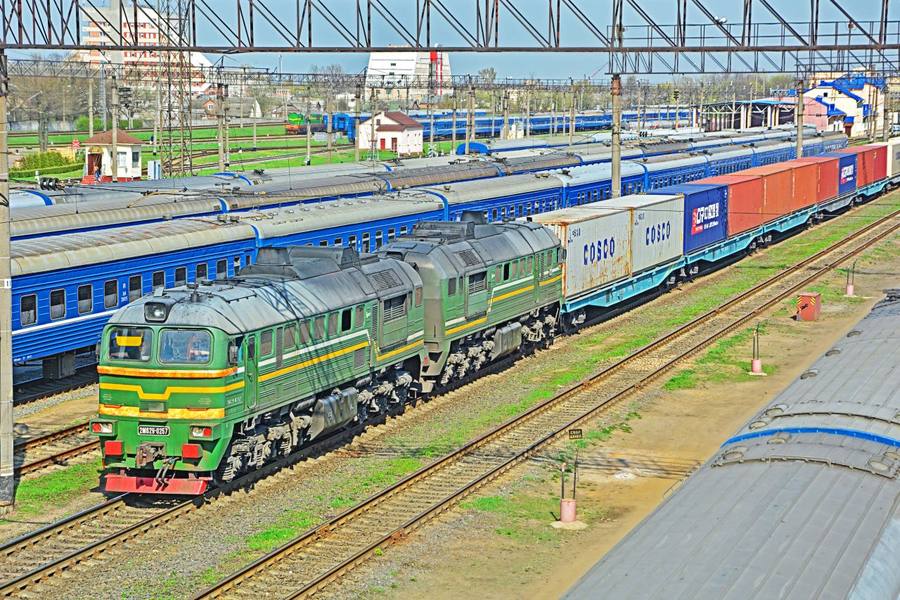
Railway logistics is one of the key sectors of the transport system, ensuring the efficient movement of goods over long distances. It plays an important role in the economies of many countries, facilitating trade, reducing transport costs and improving the environment. In this article, we will look at the main aspects of railway logistics, its advantages and disadvantages, modern trends and development prospects.
Advantages of railway logistics
Economic efficiency
1. Reducing transport costs: Railways allow transporting large volumes of goods over long distances at relatively low costs compared to road transport.
2. Effective use of resources: Rail transport optimizes the use of fuel and other resources, reducing overall logistics costs.
Environmental sustainability
1. Reducing carbon dioxide emissions: Rail transport is more environmentally friendly compared to road and air transport, since carbon dioxide emissions per ton of cargo transported are much lower.
2. Energy efficiency: Modern locomotives have high energy efficiency, which helps to reduce fuel consumption and reduce environmental impact.
High capacity
1. Transportation of large volumes of goods: Railways can carry large volumes of goods simultaneously, which is especially important for industry and commerce.
2. Reliability and regularity: Rail transport is highly reliable and regular, which allows you to plan transportation with minimal delays.
Security
1. Reducing the risk of accidents: Rail transport is one of the safest modes of transport, with a low accident rate and minimal risk of damage to goods.
2. Protection of goods: Goods transported by rail are less at risk of theft and damage, which ensures their safety.
Disadvantages of railway logistics
Limited flexibility
1. Fixed routes: Rail transport depends on existing infrastructure, which limits the flexibility of routes and requires additional delivery costs to the final destination.
2. Necessity of overload: In some cases, transshipment of goods from rail transport to road or sea transport is required, which increases time and logistics costs.
High capital expenditure
1. Construction and maintenance of infrastructure: The construction and maintenance of railway infrastructure requires significant capital expenditures, which may not be economically feasible for some regions and countries.
2. Cost of rolling stock: The acquisition and maintenance of rolling stock, including locomotives and wagons, also requires significant financial investment.
Dependence on public policy
1. Regulation and tariffs: Rail logistics often depends on government transport policies and tariff regulation, which can affect cost efficiency and service availability.
2. Investments in infrastructure: Rail infrastructure development requires continuous investment, which depends on public policy priorities and budgetary opportunities.
Current trends in railway logistics
Innovative technologies
1. Automation and digitalization: The introduction of automation and digitalization of processes, including train traffic management, logistics and cargo monitoring, contributes to improving the efficiency and safety of rail transport.
2. Internet of Things (IoT): The use of IoT technologies allows you to track the condition of rolling stock and cargo in real time, which increases the reliability and accuracy of transportation.
Environmental sustainability
1. Electricity: The expansion of electrified railways contributes to lower carbon emissions and improved energy efficiency.
2. Renewable energy sources: The use of renewable energy to power rail transport and infrastructure is becoming increasingly popular, helping to reduce the carbon footprint.
Globalization and intermodal transport
1. Development of international corridors: The development of international rail corridors, such as the New Silk Road, contributes to improved connectivity between continents and the acceleration of international trade.
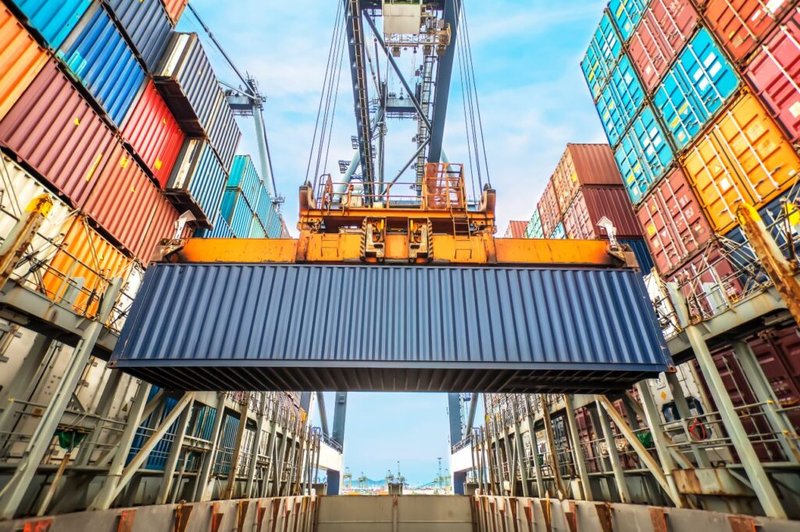
2. Intermodal transport: The combination of rail transport with other modes of transport, such as sea and road, allows you to optimize logistics chains and reduce costs.
Investment and government support
1. Investments in infrastructure: Public and private investment in the development of railway infrastructure contributes to the modernization and expansion of railway networks.
2. State support: State support of railway logistics through subsidies, concessional lending and tax incentives contributes to the development of the industry and improve its competitiveness.
Examples of successful use of railway logistics
China
China is a leader in railway logistics, actively developing high-speed railways and international transport corridors. The New Silk Road project connects China with Europe and other regions, promoting international trade and improving logistics ties.
European Union
The European Union is actively developing railway logistics, investing in infrastructure modernization and the introduction of innovative technologies. The EU programmes aim to improve the efficiency and environmental sustainability of rail transport, thereby improving transport links between Member States.
Russia
Russia has one of the largest railway networks in the world, ensuring the efficient movement of goods and passengers across the vast territory of the country. Russian railways play an important role in international trade, linking Europe and Asia.
USA
The U.S. railroads are a key element of the country’s logistics system, providing a large volume of cargo over long distances. In the United States, intermodal logistics is actively developing, combining rail transportation with road and sea transportation.
Rail logistics is an important and integral part of the global transport system, ensuring efficient and environmentally sustainable movement of goods. Despite some disadvantages, rail transport has significant advantages, including cost efficiency, high throughput and safety. Modern trends, such as automation, digitalization and development of international transport corridors, contribute to the further development of railway logistics and its adaptation to new challenges and requirements.
In the context of globalization and increasing volumes of international trade, the role of railway logistics will only increase, providing a sustainable and efficient solution of transport problems.