Lack of provision of railway cars by Russia
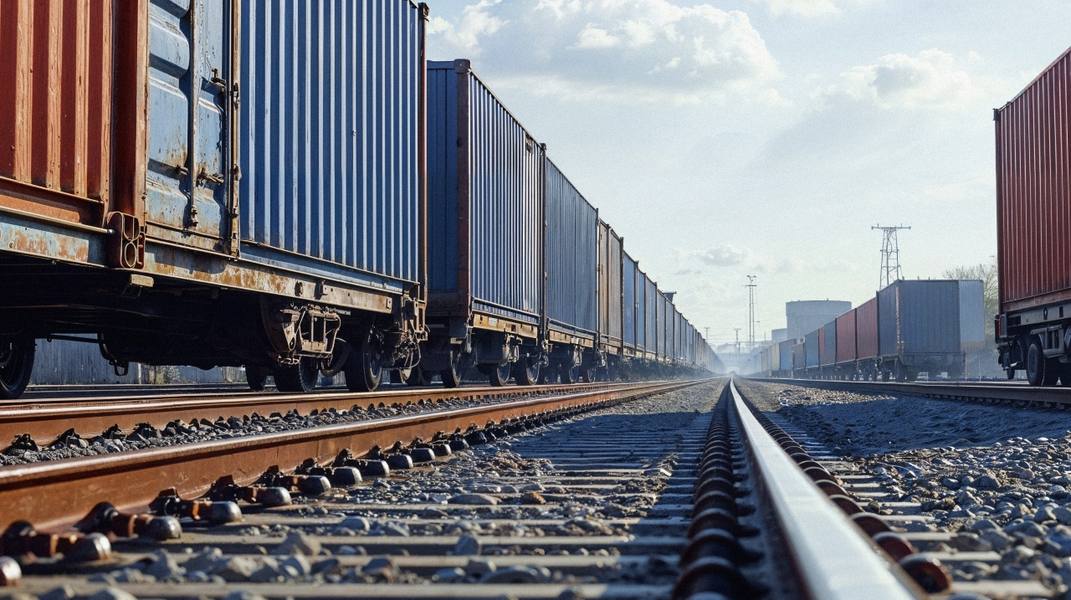
Problems of Transitions of Zabaikalsk / Manchuria and Erlian / Arlenhote
Российско-китайские железнодорожные переходы переживают системную перегрузку.
Ключевая проблема — дефицит подвижного состава со стороны России, что напрямую влияет на экспорт, импорт и транзит через погранпереходы:
- Забайкальск / Маньчжурия
- Эрлянь / Арленхотэ
Проблема давно вышла за рамки временных логистических сложностей. Это структурный дисбаланс.
Что происходит на практике
На российской стороне регулярно наблюдается:
- дефицит полувагонов и крытых вагонов
- недостаток платформ под контейнеры
- несвоевременная подача под погрузку
- приоритетное распределение вагонов под «стратегические» грузы
В результате:
- грузы скапливаются на станциях отправления
- экспортные контракты сдвигаются
- китайская сторона формирует встречные очереди
- возрастает стоимость логистики
Особенно остро ситуация проявляется в пиковые периоды зерновых отгрузок и угольного экспорта.
Почему возникает нехватка вагонов
1. Рост экспортных потоков на восток
После переориентации внешней торговли РФ объемы перевозок в направлении Китая выросли кратно.
При этом инфраструктура и парк вагонов не увеличились пропорционально.
Железная дорога физически не успевает обслуживать возросший поток.
2. Неравномерное распределение подвижного состава
Большая часть вагонного парка принадлежит частным операторам.
В условиях высокой доходности перевозок:
- уголь
- нефтепродукты
- руда
операторы перераспределяют парк туда, где выше ставка.
В результате менее маржинальные грузы (агропродукция, оборудование, сборные грузы) испытывают дефицит вагонов.
3. Ограничения инфраструктуры на погранпереходах
Переход Забайкальск / Маньчжурия — крупнейший сухопутный коридор между РФ и КНР.
Однако его пропускная способность ограничена:
- длиной приемо-отправочных путей
- количеством перегрузочных фронтов
- разницей ширины колеи (1520 мм и 1435 мм)
То же касается узла Эрлянь / Арленхотэ, который работает на перегрузе и смене тележек.
Даже при наличии груза и контракта узкое место — вагон + пропускная способность.
Как это отражается на бизнесе
Рост сроков поставки
Среднее удлинение логистического плеча может составлять 7–20 дней.
Для контрактов с фиксированными сроками это критично.
Рост стоимости логистики
Формируется эффект:
- простои
- штрафы
- хранение
- удорожание ставки аренды вагона
Итоговая цена логистики может вырасти на 15–35%.
Разрыв цепочки поставок
Китайская сторона работает по принципу плановой загрузки мощностей.
Если российская сторона не обеспечивает ритмичность, страдает вся производственная цепочка.
Это снижает доверие и усиливает требования к финансовым гарантиям.
Системная причина: дисбаланс модели
Россия исторически работала в западном направлении.
Восточный вектор требует:
- нового парка
- новых терминалов
- инвестиций в тягу
- развития припортовой и приграничной инфраструктуры
Перенастройка занимает годы.
Почему Китай не испытывает аналогичной нехватки
Китайская железнодорожная система централизована и управляется государством.
Планирование подвижного состава интегрировано с экспортной стратегией.
Китай формирует:
- план перевозок
- квоты
- резервные мощности
Российская модель более рыночная и фрагментированная.
Возможные сценарии развития
Сценарий 1: Увеличение парка
Инвестиции в производство новых вагонов.
Проблема — длительный цикл производства и высокая капиталоемкость.
Сценарий 2: Создание интегрированных экспортных операторов
Формирование вертикально интегрированных структур:
- груз
- вагон
- логистика
- финансирование
Это снижает зависимость от рынка аренды.
Сценарий 3: Рост контейнеризации
Контейнерные перевозки позволяют:
- гибко перераспределять парк
- сокращать время оборота
- оптимизировать загрузку
Однако переход на контейнеризацию возможен не для всех типов грузов.
Что делать экспортерам уже сейчас
Практические рекомендации:
- Заключать долгосрочные договоры с операторами подвижного состава.
- Закладывать временной буфер в контракты.
- Рассматривать альтернативные маршруты (включая морскую логистику).
- Работать через структуры, которые контролируют вагонный парк.
- Планировать отгрузки вне пиковых периодов.
Стратегический вывод
Нехватка вагонов — это не временный сбой.
Это отражение структурной перестройки торговых потоков.
Переходы Забайкальск / Маньчжурия и Эрлянь / Арленхотэ становятся не просто логистическими узлами, а индикаторами трансформации всей евразийской торговли.
Кто контролирует подвижной состав — контролирует экспорт.
В условиях восточного разворота экономики именно вагон становится ключевым активом.