Multimodal transportation: advantages and prospects
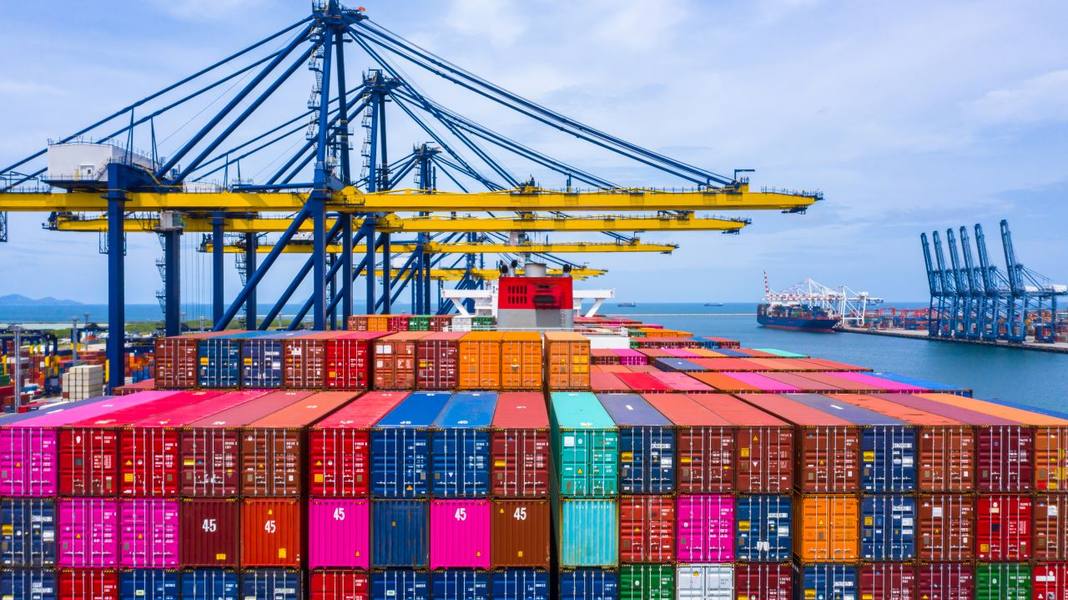
Multimodal transportation plays a key role in modern logistics, ensuring efficient and flexible movement of goods using different modes of transport. In this article, we will consider the main aspects of multimodal transportation, their advantages and disadvantages, modern technologies and development prospects.
What is multimodal transportation?
Multimodal transport is the process of transporting goods using more than one mode of transport (road, rail, sea or air) based on a single transport document. This approach allows you to optimize logistics chains, reduce costs and improve service.
Features of multimodal transport
- Single transport document: Transportation is carried out under a single transport document (for example, a multimodal bill of lading), which simplifies the registration and control of goods.
- Integrated planning: Multimodal transport requires careful planning and coordination between different modes of transport and the participants in the logistics chain.
- Flexibility and adaptability: The ability to combine different modes of transport allows more flexibility to respond to changes in market conditions and requirements.
Advantages of multimodal transport
Reducing costs
- Route optimization: The combination of different modes of transport allows you to choose the most economical routes and reduce logistics costs.
- Reduced storage costs: Fast delivery and optimization of transport chains reduce the need for long-term storage of goods in warehouses.
Increased speed of delivery
- Use of high-speed modes of transport: Combining sea and rail transport with air transport significantly reduces delivery time.
- Process optimization: Modern technologies and automation of processes contribute to the acceleration of loading and unloading operations and the reduction of downtime of goods.
Improved reliability and safety
- Monitoring and monitoring: Modern cargo tracking and control systems ensure a high degree of safety and reliability of multimodal transportation.
- Reducing the risk of damage: Optimizing routes and reducing the number of congestion helps reduce the risks of damage to cargo during transportation.
Environmental sustainability
- Emission reductions: The combination of different modes of transport allows you to choose more environmentally friendly delivery options, reducing the carbon footprint.
- Optimizing the use of resources: More efficient use of vehicles and routes reduces the consumption of fuel and other resources.
Technology and Innovation in Multimodal Transportation
Automation and digitalization
- Transportation Management Systems (TMS): The introduction of TMS allows you to automate the planning, control and management of multimodal transportation, improving their efficiency and accuracy.
- Electronic transport documents: The transition to electronic documents simplifies and speeds up the processing and tracking of goods, reducing the likelihood of errors and paperwork costs.
Internet of Things (IoT) and Cargo Tracking
- GPS and tracking systems: The use of GPS and tracking systems allows real-time tracking of the location and condition of goods, ensuring their safety and control.
- Sensors and sensors: The introduction of sensors and sensors in containers and vehicles helps to control the conditions of transportation (temperature, humidity, vibration, etc.), ensuring the safety of goods.
Blockchain and Smart Contracts
- Transparency and security: Blockchain technology provides transparency and data security, which is especially important for international multimodal transportation.
- Smart contracts: Smart contracts allow you to automate and speed up the process of concluding and executing contracts, reducing the likelihood of disputes and delays.
Development of infrastructure
- Logistics hubs: The creation and development of multimodal logistics hubs helps to improve coordination and reduce the time for cargo handling and handling.
- Intermodal terminals: The development of intermodal terminals allows you to effectively combine different modes of transport, ensuring their fast and safe overload.
Examples of successful multimodal transport
Maersk
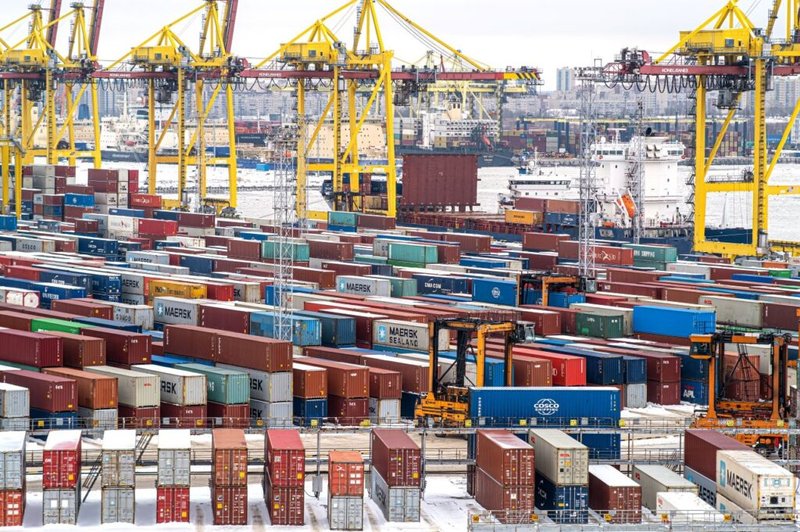
Maersk, one of the largest logistics companies in the world, actively uses multimodal transportation to optimize its logistics chains. The company combines sea transportation with rail and road transportation, ensuring fast and reliable delivery of goods.
DB Schenker
DB Schenker offers a wide range of multimodal logistics solutions, combining rail, road and sea transportation. This allows the company to provide efficient and environmentally sustainable logistics for its customers.
DHL Global Forwarding
DHL Global Forwarding actively uses multimodal transportation to deliver goods around the world. The company combines different modes of transport to ensure flexibility, speed and reliability of its logistics services.
Prospects for multimodal transport
Increased demand for multimodal transport
- Globalization of trade: The increase in international trade contributes to the growing demand for multimodal transport, providing efficient and flexible solutions for cargo delivery.
- The growth of e-commerce: The development of e-commerce requires fast and reliable logistics solutions, which stimulates the demand for multimodal transportation.
Introduction of new technologies
- Artificial intelligence and machine learning: The introduction of artificial intelligence and machine learning technologies can improve demand forecasting, optimize routes and increase the efficiency of logistics operations.
- Autonomous vehicles: The development and use of autonomous vehicles (drones, robots, driverless cars) can significantly change and improve the processes of multimodal transportation.
Strengthening environmental requirements
- Strict environmental standards: Tighter environmental requirements and standards are driving the development of sustainable logistics solutions, including multimodal transport.
- Investments in green technologies: Increased investment in the development and implementation of green technologies contributes to reducing the carbon footprint and improving the environmental sustainability of multimodal transport.
Development of international cooperation
- International agreements and standards: The development of international cooperation and the conclusion of agreements on standardization and simplification of multimodal transport procedures contribute to their development and improvement.
- Investments in infrastructure: Joint investments in the development of transport and logistics infrastructure contribute to improving the conditions for multimodal transport and increasing its efficiency.