Maritime logistics: key aspects
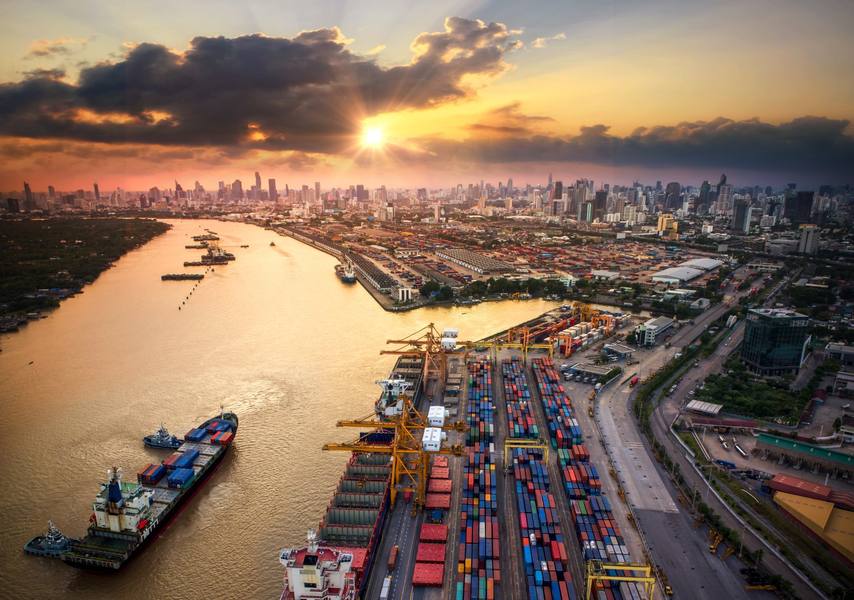
Maritime logistics is one of the most important components of world trade, providing transportation of a huge volume of goods around the world.
Maritime logistics is one of the most important components of world trade, providing transportation of a huge volume of goods around the world. This type of logistics plays a key role in the international economy, providing connectivity between different countries and continents. In this article, we will look at the main aspects of maritime logistics, its importance for global trade and the key factors influencing the industry.
The importance of maritime logistics
• Global accessibility: Sea lanes provide access to remote regions of the world, making maritime logistics the primary way to deliver goods between countries and continents.
• Cost-effectiveness: Sea freight is often the most cost-effective way to deliver large volumes of cargo over long distances.
• Large cargo volumes: Seagoing vessels are capable of carrying huge volumes of cargo, making this mode of transport particularly suitable for trading bulk goods such as oil, coal, grain and more.
• Resilience to change: Unlike other modes of transport, maritime logistics is usually less exposed to weather conditions and other external factors, making it more reliable for long-term transport.
Main aspects of maritime logistics
Ports
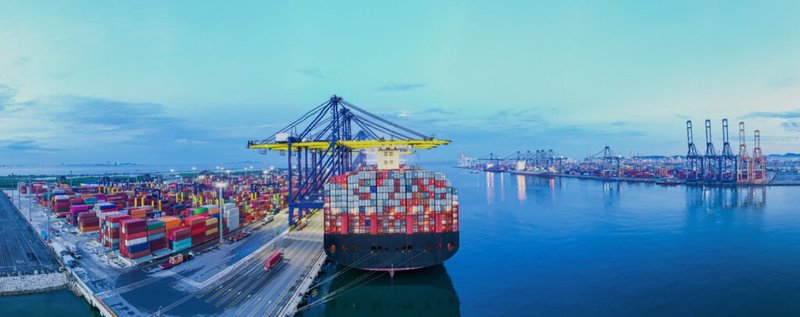
Ports play a key role in maritime logistics as loading, unloading and temporary storage facilities. The development of port infrastructure and technologies is becoming increasingly important for improving the efficiency and competitiveness of maritime transport.
Terminals
Sea port terminals provide cargo handling at berths, storage and transshipment of containers and other types of cargo, as well as provide various logistics services.
Shipowners and operators
Shipowners and operators of the marine fleet play an important role in maritime logistics, providing ships for the transportation of goods, managing routes and timetables, and ensuring the safety and efficiency of transportation.
Logistics companies: Logistics companies provide a wide range of services for the organization and management of sea transportation, including brokerage services, warehouse storage, customs clearance and others.
The impact of technology on maritime logistics
Automation: The introduction of automated systems and technologies, such as warehouse management systems and autonomous vessels, helps improve the efficiency and accuracy of operations in maritime logistics.
Internet of Things (IoT): The use of sensors and IoT devices allows you to track cargo in real time, provide more accurate inventory management and improve transport safety.
Blockchain technology can improve the transparency and security of supply chains, simplify document management processes and make maritime logistics more transparent and efficient.
Challenges and prospects of maritime logistics
Environmental sustainability: Environmental sustainability issues are becoming increasingly relevant in maritime logistics, and companies are forced to look for ways to reduce their environmental footprint.
Global competition: Competition in the global maritime logistics market is becoming increasingly acute and companies are forced to continually improve their processes and services to remain competitive.
Development of new markets: The growth of global trade and the emergence of new markets creates additional opportunities for the development of maritime logistics, but requires companies to adapt to new conditions and requirements.
Marine logistics remains one of the most important and dynamically developing industries in the global economy. Understanding its key aspects and challenges will help companies and professionals in this field effectively manage their operations and achieve success in the global trading market.