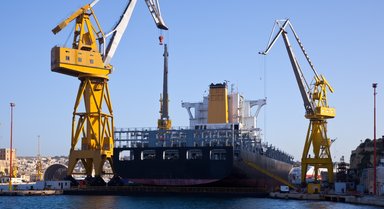
Cargo: Understanding, Processes and Perspectives
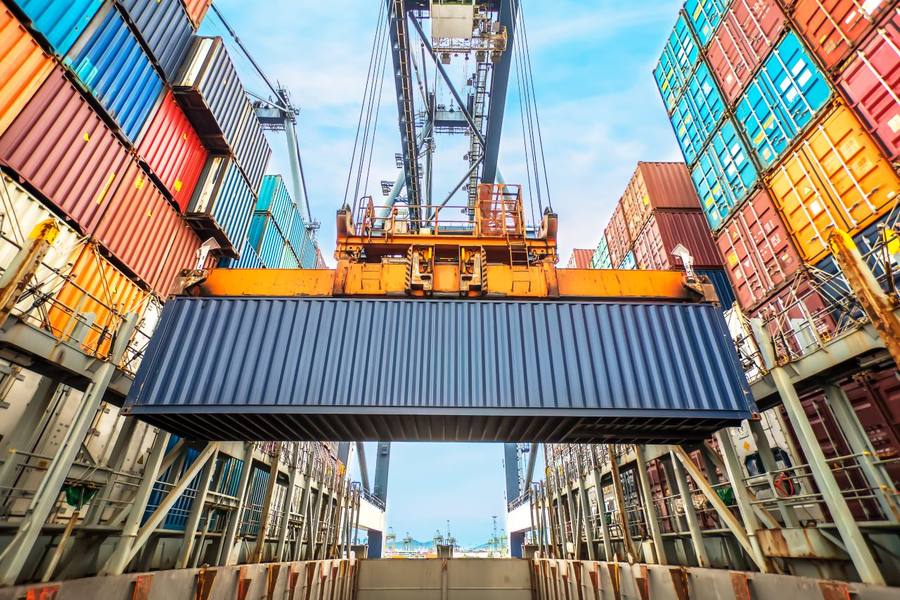
Cargo transportation is an important and dynamically developing element of modern logistics, providing flexibility, speed and efficiency of cargo transportation.
The term “cargo” is widely used in international trade and logistics, denoting cargo that is transported from one point to another by various modes of transport. In this article, we will look at what cargo is, how it is transported, what services are provided by cargo companies and what prospects for the development of this industry exist.
Definition and types of cargo
What is cargo?
Cargo is a commercial cargo that is transported by various modes of transport (sea, air, rail or road) for subsequent sale, use or processing. Cargo can include a wide range of goods, from industrial products and raw materials to consumer goods and agricultural products.
Cargo species
- General cargo: Goods packed in boxes, crates, containers or on pallets that can be handled individually.
- Cargo filler: Liquid cargoes such as oil, chemicals or vegetable oils that are transported in special tankers.
- Bulk cargo: Bulk materials, such as grain, coal or ore, carried in special vessels or containers.
- Cargo team: Small consignments of goods from different senders, combined into one shipment to optimize transportation.
- Transport of dangerous goods: Goods that require special transportation and storage conditions due to their potential danger to people and the environment.
Cargo transport process
Planning and preparation
- Conclusion of a contract: The first step in the process of cargo transportation is the conclusion of a contract between the sender and the transport company, which stipulates the terms of transportation, cost and delivery time.
- Preparation of documents: Preparation of necessary documents such as bill of lading, invoice, certificates of conformity and customs declarations.
Loading and transportation
- Loading: The cargo is loaded onto the vehicle (ship, plane, train or truck) in accordance with established rules and requirements.
- Transport: The goods are transported from the point of departure to the point of destination using one or more modes of transport. In the process of transportation, an important aspect is the control and monitoring of the cargo to ensure its safety and timely delivery.
Unloading and delivery
- Unloading: Upon arrival at the destination, the cargo is unloaded and undergoes the necessary checks.
- Delivery: The cargo is delivered to the final recipient, which may include transportation through the territory of the country of arrival.
Cargo services
Basic services
- Transport: The main service of cargo companies is the transportation of goods from the sender to the recipient using various modes of transport.
- Customs clearance: Cargo companies provide customs clearance services, including the preparation of documents and customs control.
- Cargo insurance: Providing insurance for goods against various risks, such as damage, loss or theft, during transportation.
Additional services
- Warehouse services: Cargo companies provide storage services in their warehouses prior to shipment or upon arrival at their destination.
- Consolidation of goods: Combining small consignments of goods from different senders into one shipment to reduce the cost of transportation.
- Transport of dangerous goods: Specialized services for the transportation of dangerous goods requiring special conditions of transportation and storage.
- Logistics support: A full range of services for the organization and management of logistics chains, including route planning, cargo control and monitoring.

Advantages and disadvantages of cargo transportation
Advantages
- Efficiency: Cargo transportation allows you to quickly and efficiently deliver goods over long distances, optimizing the logistics chain.
- Flexibility: The possibility of using different modes of transport allows you to adapt to changing conditions and market requirements.
- Economy: The combination of small consignments and the use of multimodal transport contributes to reducing logistics costs.
Deficiencies
- Risks of damage and loss: During transportation, goods may be at risk of damage, loss or theft, especially when using multiple modes of transport.
- Difficulties of customs clearance: International cargo transportation requires careful compliance with customs rules and procedures, which can lead to delays and additional costs.
- Need for control: To ensure the safety and timely delivery of cargo requires constant monitoring and monitoring, which can be difficult to organize.
Prospects for the Cargo Industry
Increased demand for cargo transportation
- Globalization of trade: The increase in international trade contributes to the growth of demand for cargo transportation, providing efficient and flexible solutions for cargo delivery.
- The growth of e-commerce: The development of e-commerce requires fast and reliable logistics solutions, which stimulates the demand for cargo transportation.
Introduction of new technologies
- Artificial intelligence and machine learning: The introduction of artificial intelligence and machine learning technologies can improve demand forecasting, optimize routes and increase the efficiency of logistics operations.
- Autonomous vehicles: The development and use of autonomous vehicles (drones, robots, driverless cars) can significantly change and improve the processes of cargo transportation.
Strengthening environmental requirements
- Strict environmental standards: Tighter environmental requirements and standards are driving the development of sustainable logistics solutions, including cargo transportation.
- Investments in green technologies: Increased investment in the development and implementation of green technologies contributes to reducing the carbon footprint and improving the environmental sustainability of cargo transportation.
Development of international cooperation
- International agreements and standards: The development of international cooperation and the conclusion of agreements on standardization and simplification of cargo transportation procedures contribute to their development and improvement.
- Investments in infrastructure: Joint investments in the development of transport and logistics infrastructure contribute to improving the conditions for cargo transportation and increasing their efficiency.
Cargo transportation is an important and dynamically developing element of modern logistics, providing flexibility, speed and efficiency of cargo transportation. The introduction of new technologies, the development of infrastructure and the strengthening of international cooperation contribute to the further development and improvement of cargo transportation. In the context of globalization and the increase in the volume of international trade, the role of cargo transportation will only increase, providing a sustainable and efficient solution of logistics problems.