Advanced packaging materials and structures
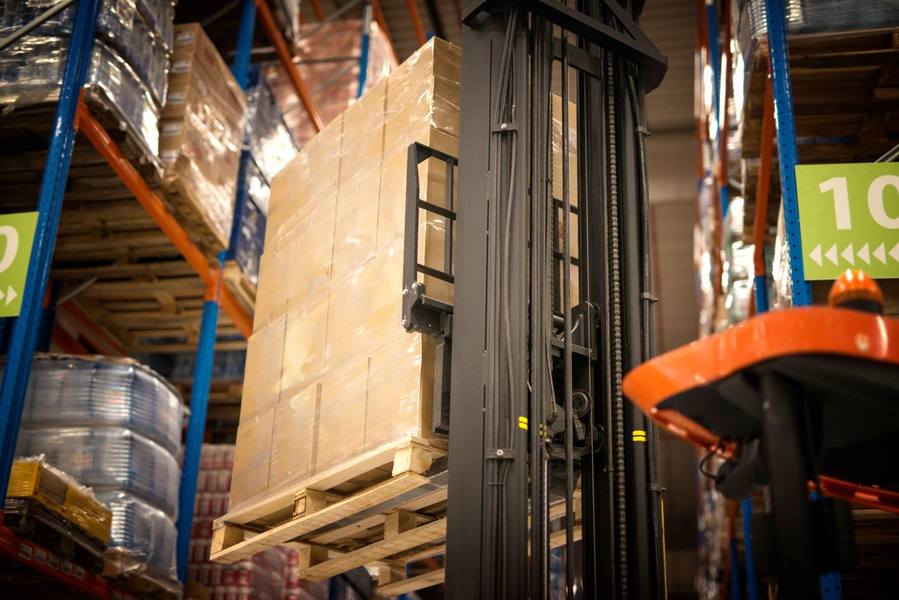
New generation packaging materials reduce logistics costs, simplify packaging processing and improve supply control. What to choose?
Modern technologies and needs in logistics and packaging of goods dictate the need to search for new, promising packaging materials and packaging designs. The importance of packaging is not limited to its protection function; it also affects the ease of transportation, the cost of production and processing. Technological innovations in this area offer solutions that can improve supply chain efficiency, reduce costs and minimize environmental impact.
Key materials for modern packaging
- Biopolymers and biodegradable materials
- Description: One of the key trends is the use of environmentally friendly materials such as PLA (polylactic acid) and PHA (polyhydroxyalkanoates). These materials decompose naturally, reducing the amount of plastic waste.
- Advantages: High degree of biodegradability, the possibility of use in the food and cosmetic industry.
- Application: Packaging for food, disposable containers for drinks.
- Lightweight composite materials
- Description: Composite materials consist of various polymeric and natural fibers, which makes them light, durable and resistant to external influences.
- Advantages: Reducing the weight of the package, increasing resistance to mechanical damage.
- Application: Packaging for transporting fragile and valuable goods such as electronics.
- Recycled paperboard and paper
- Description: Recycling of cardboard and paper packaging is actively developing thanks to environmental initiatives. Paper materials can be used repeatedly without significant loss of their properties.
- Advantages: Eco-friendly, cheap production, easy processing.
- Application: Food boxes, packaging for Internet orders.
- Flexible film materials
- Description: Modern multilayer films provide high protection of goods from moisture, dust and bacteria, maintaining the ease of packaging. The latest developments allow combining environmental friendliness and strength.
- Advantages: Lightness, flexibility, high degree of protection.
- Application: Packaging for food products, medical products.
- Aerogels and nanomaterials
- Innovative materials, such as aerogels, are ultralight, but durable structures. Nanomaterials, in turn, improve the barrier properties of containers, preventing the penetration of moisture or oxygen.
- Advantages: Extremely light, thermal insulation properties, resistance to physical exertion.
- Application: Special packaging for high-tech products sensitive to environmental conditions.
Promising packaging designs
- Modular containers
- Description: Modular designs allow you to adapt the packaging to different types of cargo. They can be easily scaled to optimize volume and weight.
- Advantages: Flexibility, reusability, space optimization.
- Application: Logistics and transportation of large goods.
- Folding containers
- Description: Folding containers are reusable containers, which, when folded, takes up much less space than when folded.
- Advantages: Saving space when returning containers, reducing logistics costs.
- Application: Used in trade, especially for transporting goods in stores and markets.
- Intelligent packaging
- The introduction of IoT (Internet of Things) technologies in containers allows you to track transportation conditions and store cargo data. Built-in sensors can monitor temperature, humidity and geolocation.
- Advantages: Improved control over goods, increased safety.
- Application: Logistics of perishable goods, medicines and electronics.
- Thermo-adjustable packaging
- Description: Special materials with thermal insulation properties allow maintaining a certain temperature regime inside the package.
- Advantages: Preservation of optimal conditions for storage of products.
- Application: Packaging for frozen foods, medicines and biological materials.
- Tara with variable geometry
- Description: Designs that can change shape depending on the volume of content. Such systems improve the use of space during transportation.
- Advantages: Reducing empty space, reducing transportation costs.
- Application: Used in e-commerce, for the delivery of goods of different volumes.
Trends and prospects
Modern developments in the field of packaging materials and structures are aimed at achieving a balance between environmental friendliness, efficiency and cost. In the future, key trends will focus on lighter, more durable and reusable solutions, as well as the integration of smart technologies to improve transportation and storage controls.
Promising materials and packaging designs play an important role in the development of global logistics and trade. Environmental requirements and cost-effectiveness will drive further innovation in this area, making packaging more than just a product.
Defects of packaging in logistics: causes, types and methods of prevention!