Will the phytosanitary certificate for wood packaging be canceled? EEC prepares simplification of rules in EAEU
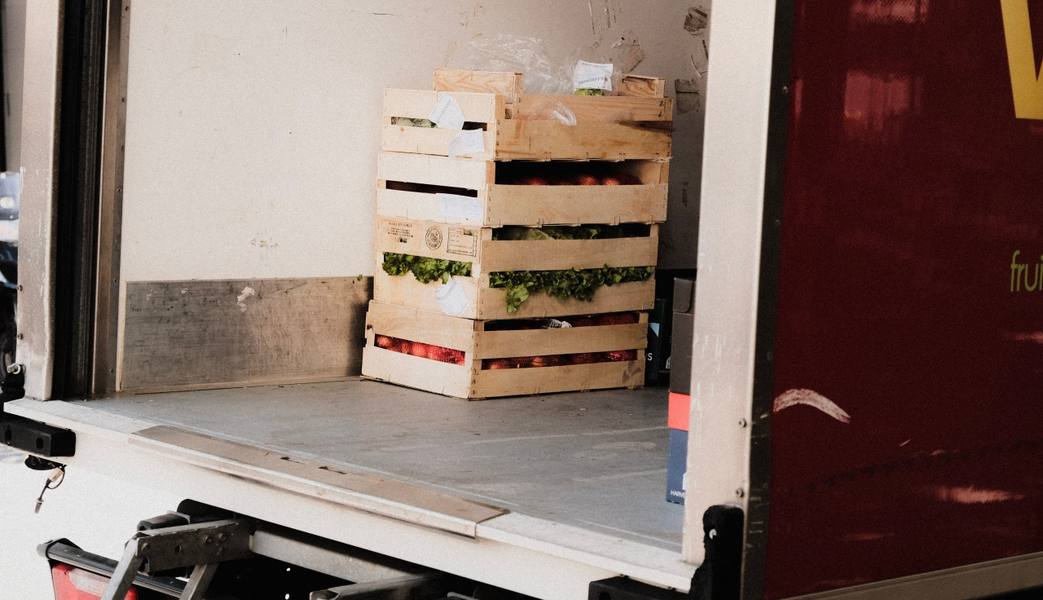
Instead of a certificate, a special marking applied directly to the packaging will serve as a confirmation of safety.
International trade is impossible without packaging. Millions of tons of cargo are moved daily between countries on wooden pallets, in boxes, on coils and using various fasteners. At the same time, the wood packaging itself has long been subject to strict phytosanitary control, since untreated wood can serve as a carrier of dangerous pests and plant diseases.
Today, companies working in the field of logistics, production and foreign economic activity are faced with the need to issue phytosanitary certificates even in cases where it is not about transporting wood as a commodity, but only about using wooden packaging for transporting products.
However, the situation can change significantly. The Eurasian Economic Commission has prepared a package of decisions aimed at simplifying phytosanitary requirements within the Eurasian Economic Union. One of the most significant innovations will be the possibility of moving wood packaging between the EAEU states without obtaining a phytosanitary certificate.
For many market participants, this solution can significantly reduce administrative procedures and reduce costs in organizing international transportation.
Why are wood containers under control?
At first glance, a wooden pallet or packaging box does not pose any danger. However, phytosanitary services of different countries consider wood packaging as a potential source of distribution of quarantine organisms.
Untreated wood may contain insect larvae, tree beetles, fungal diseases and other pests that can cause serious damage to forestry and the agricultural sector.
That is why there are special requirements for processing wood packaging all over the world. Before use, it must undergo a disinfection procedure that destroys potentially dangerous organisms.
For many years, a phytosanitary certificate accompanying the movement of packages across borders has proved compliance with such requirements.
What the Eurasian Economic Commission proposes
The main idea of the new package of solutions is to abandon the mandatory registration of a phytosanitary certificate for wood packaging when moving between the states of the Eurasian Economic Union.
These are products such as:
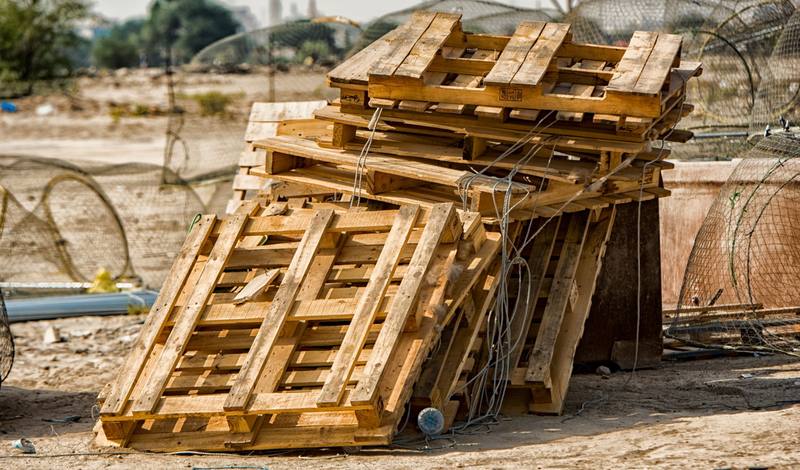
- wooden pallets;
- transport pallets;
- packing boxes;
- cable coils;
- wooden fasteners;
- strutting and locking bars.
Instead of a certificate, a special label applied directly to the packaging will serve as a confirmation of safety.
This approach has long been used in international practice and is considered more convenient for both business and regulatory authorities.
What is the ISPM 15 standard?
The proposed changes are based on the international standard ISPM 15, which regulates the processing of wood packaging used in international trade.
The standard was developed to prevent the spread of pests through wooden containers and is now used by most countries in the world.
According to the requirements of ISPM 15, wood must undergo one of the special processing procedures. The most common are heat treatment at high temperature or fumigation using special means of disinfection.
After processing, the manufacturer applies a special sign of international design to the packaging.
This marking contains information about the country of origin, producer and method of wood processing. For regulatory authorities, this mark is a confirmation that the packaging complies with international phytosanitary requirements.
It is the presence of this marking and proposed to make a sufficient basis for the movement of wood packaging within the EAEU without additional certificates.
Why Businesses Have Been Expecting Changes
In practice, phytosanitary certificates for wood packaging often become a formality that takes time and money, but does not always provide additional control benefits.
This is especially true for logistics operators and large manufacturing companies, which use hundreds or thousands of wooden containers every day.
Each new shipment may require additional documentation, even if the packaging itself has already undergone the necessary processing and is internationally marked.
As a result, there are additional costs for documentation, the load on employees of logistics departments increases, and the time for passing individual procedures becomes longer.
For businesses, this means losing time and increasing the cost of transportation.
Particular importance for logistics companies
Transport and logistics companies can become one of the main beneficiaries of the upcoming changes.
Modern international transportation is impossible to imagine without the use of multi-turned wooden containers. Pallets and fasteners repeatedly cross the borders of states, participating in dozens of different transportations.
Each additional document processing requirement increases the administrative burden on market participants.
After the new rules come into force, logistics operators will be able to significantly simplify the workflow. Instead of preparing a separate certificate, it will be enough to make sure that the necessary markings are on the packaging used.
For large transport companies operating on routes between Russia, Belarus, Kazakhstan, Kyrgyzstan and Armenia, this can lead to significant resource savings.
Impact on international trade within the EAEU
The Eurasian Economic Union was created as a space for the free movement of goods, services and capital. However, even within the integration association, there are many administrative procedures that complicate the work of the business.
Simplifying phytosanitary requirements is part of a broader policy to reduce regulatory barriers.
The fewer documents are required to move goods between the countries of the union, the faster trade is carried out and the lower the logistics costs become.
For manufacturers, this means increased product competitiveness, and for consumers, more stable supply and lower supply chain costs.
What changes can be felt by the participants of the FEA
Companies engaged in the export and import of goods within the EAEU, first of all, will feel the reduction of bureaucratic procedures.
Among the most expected effects, market participants call the acceleration of cargo clearance, reducing the cost of supply support and reducing the number of verification measures associated exclusively with wood packaging.
In addition, the use of uniform rules throughout the Union will make the requirements more transparent and understandable for business.
This is especially important for enterprises operating simultaneously in several EAEU markets.
When the changes come into force
At the moment, the package of decisions has received preliminary approval of the Eurasian Economic Commission and will be submitted to the EEC Council in accordance with the established procedure.
The exact date of the meeting has not yet been announced. After the approval of the documents, the innovations will begin to operate throughout the territory of the Eurasian Economic Union.
Until the official adoption of decisions, the current procedure for issuing phytosanitary documents remains.
However, it is already clear that the proposed changes reflect the general course towards digitalization, reducing administrative barriers and simplifying international trade within the integration space.
Conclusion
The planned abolition of mandatory phytosanitary certificates for wood packaging may become one of the most noticeable simplifications in the field of logistics and foreign economic activity in recent years.
In fact, the ECE proposes to move from paper-based safety assurance to a more modern control system based on the internationally recognized ISPM 15 marking.
For business, this means reducing costs, reducing the volume of workflow and accelerating logistics processes. For the EAEU states, this is another step towards the formation of a single economic space with more efficient and clear trade rules.
If the decision is finally made, millions of wood containers will be able to cross the borders of the Union states without obtaining additional certificates, while maintaining the necessary level of phytosanitary safety.