Defects of containers in logistics
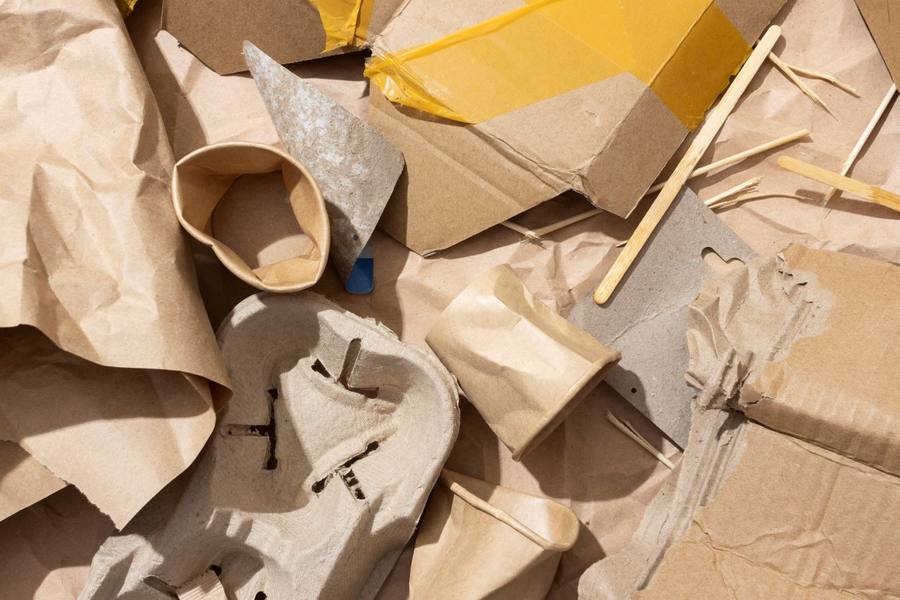
In this article, we will consider the main types of container defects: compression, swelling, insufficient filling with internal packaging and incomplete closing, as well as methods for preventing them.
Tara plays a key role in logistics, ensuring the safety and integrity of goods during their transportation and storage. However, container defects can lead to significant losses for companies, disruption of logistics chains and deterioration of product quality. In this article, we will consider the main types of container defects: compression, swelling, insufficient filling with internal packaging and incomplete closing, as well as methods for preventing them.
Packaging compression
Reasons:
Compression of packaging is the process of deformation of packaging under the influence of external forces. This defect can occur for a number of reasons:
- Excessive pressure during stacking: If the container is located in the lower rows during storage or transportation, it may not withstand the weight of overlying boxes.
- Incorrect placement in the vehicle: If the load is unevenly distributed throughout the vehicle, the packaging may be under excessive load.
- Weak packaging design: Containers made of poor quality or thin materials cannot withstand pressure.
Implications:
- Damage to goods inside the packaging.
- Loss of presentation and, as a result, a decrease in consumer attractiveness.
- Increased risk of spoilage of goods, especially if they are fragile or liquid products.
Methods of prevention:
- Selection of quality materials for packaging: Packaging materials must be strong enough to withstand the load during transport and storage.
- Proper distribution of cargo: It is recommended to evenly distribute the load on the vehicle, and when stacking - to monitor the maximum permissible load on the lower rows.
- Use of additional support means: Packaging with soft inserts, support ribs or gaskets can help avoid container deformation.
Packaging
Reasons:
Packaging swelling occurs when excessive pressure is created inside the package leading to bulges on the surface of the package. Main reasons:
- Change in temperature or pressure: When transported over long distances and moving through different climatic zones, temperature and pressure can change, causing the air inside the package to expand or contract.
- Incorrect packaging of products: If the product is packaged incorrectly, it can lead to excessive internal pressure.
- Marriage of packaging materials: Insufficiently dense or sealed containers can easily deform with external changes.
Implications:
- Deterioration of the appearance of products, which can adversely affect its perception by consumers.
- Increased risk of damage to goods due to violation of packaging integrity.
- Loss of leakage, which can lead to spoilage of products, especially if it is food or chemicals.
Methods of prevention:
- Use of ventilation valves: In some types of packages, special valves may be provided to equalize the pressure.
- Temperature control: It is important to maintain stable conditions when transporting products, especially if they are exposed to temperature changes.
- The correct selection of packaging materials: The choice of high-quality and resistant to deformation materials avoids swelling of containers when pressure changes.
Insufficient filling of packagings with internal packaging
Reasons:
Insufficient filling of the container with internal packaging means that there are no necessary additional protective elements (pads, fillers, etc.) inside the main packaging, which should ensure the immobility and safety of the goods inside. Main reasons:
- Savings on internal materials: To reduce packaging costs, minimal or no internal gaskets can be used.
- Wrong choice of packaging: If the packaging does not match the size and shape of the goods, the internal voids are not filled, which creates free space for the movement of the product.
- Lack of proper packaging technology: Incorrect packaging methods and lack of appropriate manufacturing standards.
Implications:
- Increased risk of damage to goods, especially when transporting fragile items
- Products can move inside the package, resulting in scratches, cracks and other types of mechanical damage.
- Violation of the integrity of goods, which can lead to their complete unsuitability for sale.
Methods of prevention:
- Use of protective pads: Pads, foam or airbags can fill the voids inside the container and prevent the movement of products.
- Selection of packagings by size: It is important that the packaging accurately corresponds to the size of the product, minimizing the risk of moving the goods inside.
- Personnel training: Packaging staff should be trained in proper methods of using internal packaging materials.
Incomplete closure
Reasons:
Incomplete closure occurs when the packaging is not closed properly, which may be caused by the following factors:
- Poor quality locks or fasteners: If the lock or fastener of the container does not provide complete closure, the package remains loosely closed.
- Packaging overflow: If the container is filled with goods in excess of the permissible norm, its lid or latch may not close properly.
- Violation of packaging technology: Errors in production or packaging can lead to the fact that the container does not close completely.
Implications:
- Loss of sealed packaging, which leads to damage to the goods inside (moisture, dust, mechanical damage).
- Increased risk of accidental opening of containers during transportation or storage.
- Reduce the level of protection of goods inside the packaging.
Methods of prevention:
- Quality control of packagings: It is necessary to check the quality of locks and fasteners at the stage of packaging production.
- Avoid overflows: The permissible volume for each package should be strictly adhered to.
- Regular monitoring of packaging processes: Implementing packaging quality standards and regularly checking the closure of containers will help to avoid this defect.
Defects of packaging in logistics can significantly affect the efficiency of supply, product quality and customer satisfaction. Preventing defects such as compression, swelling, inadequate internal packaging and incomplete closure requires a systematic approach, from the selection of quality materials to the control of all stages of packaging and transportation. The introduction of these methods will minimize the risk of damage to goods and increase the reliability of logistics operations.
Packaging tools in logistics play a key role in optimizing the transportation, storage and protection of goods.