How logistic terminals work: from receiving cargo to sending

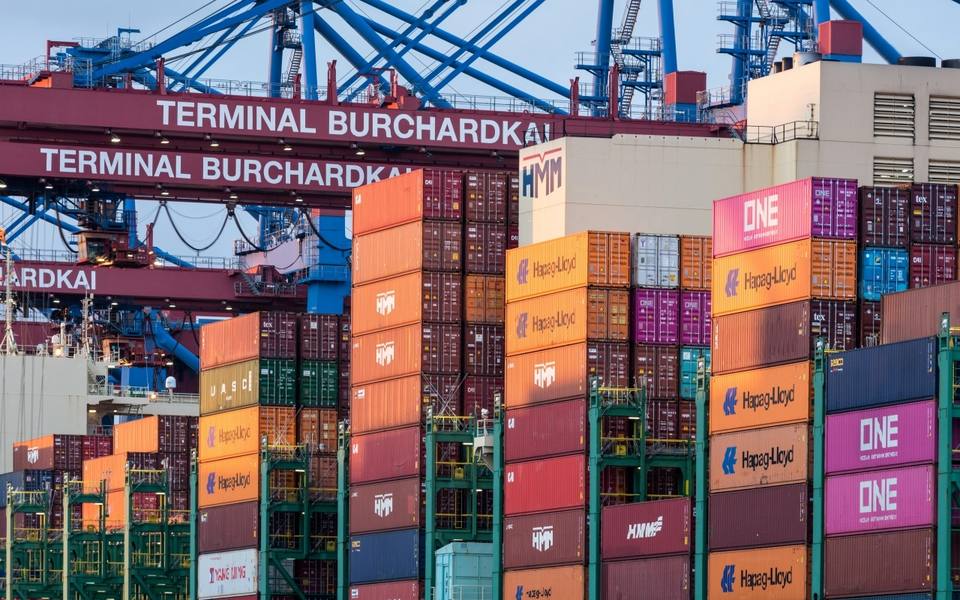
A logistics terminal is a complex mechanism that combines warehouse, transport and information processes.
Logistics terminals These are key nodes in the supply chain that ensure the efficient movement of goods from sender to recipient. They play an important role in optimizing cargo transportation, reducing delivery time and minimizing logistics costs. In this article, we will analyze how logistics terminals work, what processes occur on their territory and what technologies help organize smooth operation.
Main functions of logistics terminals
The logistics terminal performs several key tasks:
- Acceptance and registration of goods Incoming cargoes are checked, marked and distributed to storage areas.
- Sorting and consolidation - cargoes are grouped by direction nRecipients, types of transport and other criteria.
- Temporary storage Terminals can provide storage services with different conditions (temperature control, special areas for dangerous goods, etc.).
- Processing and completion operations for packaging, repackaging, marking and preparation of goods for shipment are possible.
- Transshipment and dispatch Goods are distributed to vehicles for further delivery.
Depending on the specialization, the terminal can serve road, rail, sea or air transport, as well as combine several types of transportation.
Terminal Operations: Step by Step
Step 1. Acceptance of cargo
The cargo enters the territory of the terminal through various channels: by train, truck, container from the seaport or even by plane. At this stage, the following activities are carried out:
Verification of documents (invoices, declarations, certificates)
- Identification and accounting
- Visual inspection for damage
- Identification of the area for further processing
Step 2. Temporary storage and sorting
Depending on the purpose of the cargo, it is either sent to the temporary storage area, or immediately sorted. Modern terminals use automated warehouse management systems (WMS) to help:
- Optimally distribute goods in the warehouse
- Track the location of each item
- Reduce processing time and the likelihood of errors
Step 3. Compilation and processing
Before shipment, goods can undergo additional operations:
Marking Affixing barcodes, RFID tags or other identifiers
Repackaging - Packaging replacement, cargo consolidation, pallet formation
Order assembly Consolidation of several products into one order for the customer
When it comes to international shipments, customs clearance is also carried out at this stage.
Step 4. Transshipment and dispatch
When the cargo is ready for shipment, it is distributed to vehicles. Depending on the direction and mode of transport can be used:
- Trucks (for domestic and regional transport)
- Container trains (for international transport)
- Maritime vessels (in multimodal transport)
- Air flights (for urgent cargo)
For the efficient operation of terminals, it is important to synchronize all stages - from the arrival of cargo to its loading on transport.
Types of logistics terminals
Logistics terminals come in different types, depending on their specialization:
Automobile terminals - process cargoes received by motor vehicles, perform transshipment between trucks of different carriers.
Railway terminals work with container transportation, provide connection of road and rail transport.
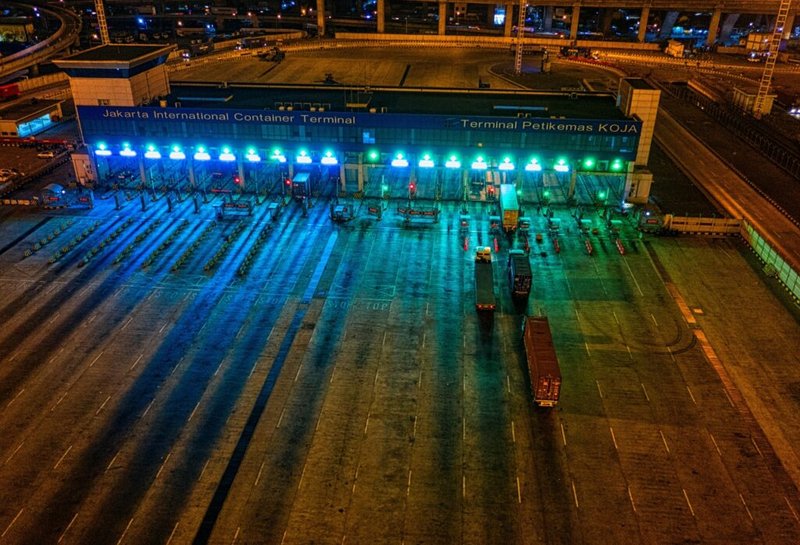
Seaports and container terminals - accept container cargo, transship between ships, trains and cars.
Air terminals - handle air cargo, provide operational logistics for urgent departures.
Multimodal terminals combine several modes of transport and provide integrated logistics handling of goods.
Modern technologies in logistics terminals
In recent years, logistics terminals have been actively implementing digital technologies in order to increase their efficiency:
- Automated Warehouse Management Systems (WMS) - allow you to accurately track cargo and manage warehouse processes.
- Robotic complexes speed up the processing of goods, reducing downtime.
- Big Data and IoT (Internet of Things) - help predict the load of terminals and optimize logistics processes.
- Unmanned technology Tested in large terminals for automatic transportation of goods.
The use of such solutions allows you to minimize errors, increase the speed of cargo handling and reduce costs.
Logistics terminal It is a complex mechanism that combines warehouse, transport and information processes. Its main task is to ensure fast and uninterrupted handling of goods, minimizing downtime and reducing logistics costs.
With modern technology and automation, terminals are becoming increasingly efficient, helping businesses optimize supply chains and ensure the stable operation of international logistics.