What awaits Russian terminals in the near future
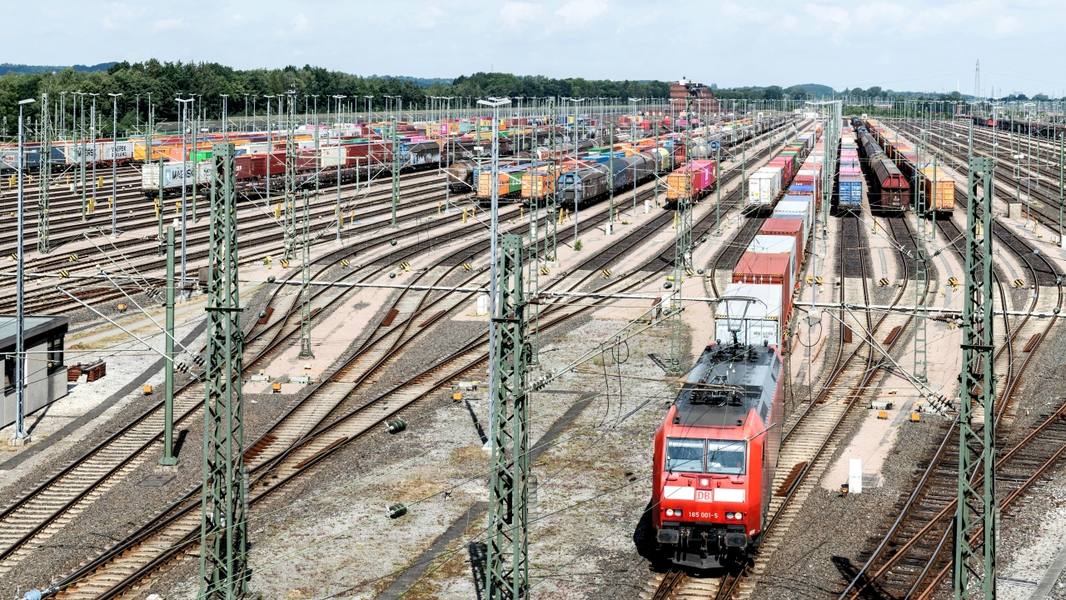
Transport and logistics infrastructure plays a key role in the economy of any country, and Russia is no exception. Seaports, railway terminals, container hubs and dry ports provide the movement of goods both domestically and internationally.
In recent years, Russian terminals have faced serious changes in logistics caused by geopolitical factors, the restructuring of trade routes and the growth of cargo traffic in the east. These changes create both new opportunities and serious challenges for the entire industry.
In this article, we will look at what processes are already happening in the Russian terminal infrastructure, what causes these changes, what market participants need to prepare for and what solutions can help adapt to the new reality.
Causes of changes in the operation of terminals
Rebuilding International Logistics
One of the key reasons for the change was the transformation of international trade routes. Russia is increasingly reorienting foreign trade to Asia, the Middle East and the global South.
This leads to an increase in freight traffic through:
- Far East
- southern transport corridors
- land routes towards China
Traditional routes through European ports have been significantly reduced.
Increased trade with Asian countries
Cooperation with Asian partners, primarily China, India and the countries of Southeast Asia, requires increasing the capacity of logistics infrastructure.
Many Russian terminals were not fully prepared for a sharp increase in freight traffic to the east.
Infrastructure constraints
Some ports and terminals were built in a different logistics model. The result is:
- transshipment
- lack of container sites
- limited port capacity
- delays in handling cargo
These factors increase the burden on the logistics system.
What to prepare for market participants
Increased load on terminals
In the coming years, many terminals throughout Russia will operate in conditions of increased cargo traffic. This is particularly true:
- Far Eastern ports
- dry ports on the border with China
- container terminals
Companies should consider possible delays and longer cargo handling times.
Increasing competition for logistics capacity
With the growth of traffic volumes, competition for access to terminal facilities, rail transport and container equipment increases.
This can lead to:
- Increased cost of logistics services
- Extension of booking time
- need to plan ahead for delivery
Strategic planning of logistics becomes important for participants of foreign economic activity.
Changing logistics routes
Many companies have already begun to overhaul their supply chains. Alternative routes are increasingly being used:
- multimodal transport
- corridors
- new port destinations
This diversification reduces the risk of overloading individual terminals.
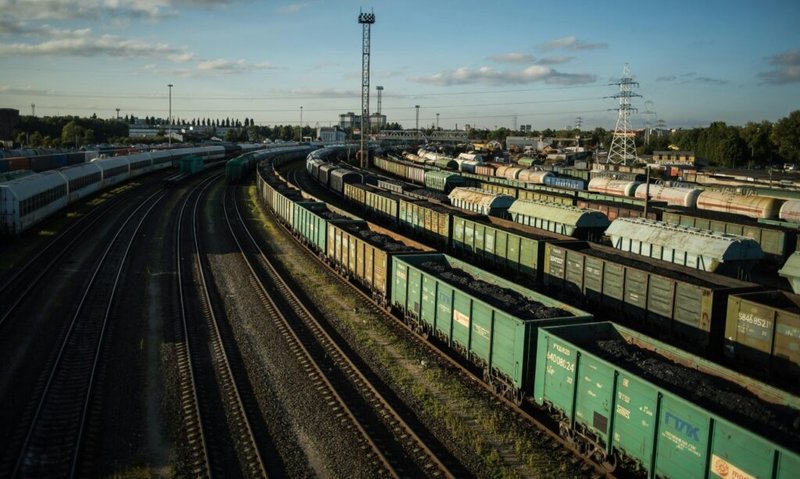
Possible business implications
Increase in delivery times
An increase in load on terminals can lead to an increase in cargo handling time. This is especially true for container shipments and imports.
Companies should consider possible delays in supply planning and inventory management.
Rising logistics costs
Limited infrastructure capacity often leads to higher prices for transport services. This may affect:
- cost
- export competitiveness
- business
In such conditions, the optimization of logistics processes becomes especially important.
Accelerating infrastructure development
On the other hand, the current situation stimulates the development of new projects. Russia is actively discussing and implementing modernization programs:
- port infrastructure
- railway
- container terminals
- logistics hubs
These projects can significantly improve the efficiency of the transport system.
What solutions can help
Modernization of terminals
One of the key solutions is the modernization of existing terminals. This includes:
- cargo handling automation
- warehouse expansion
- Implementation of digital management systems
Such measures increase productivity and reduce cargo handling time.
Development of new transport corridors
The creation of new transport routes can reduce the burden on existing infrastructure. Promising directions are considered:
- North-South International Transport Corridor
- eastbound
- dry-port development
These projects help diversify logistics.
Digitalization of logistics
The use of modern digital solutions helps to increase the transparency and manageability of logistics processes.
This includes:
- paperwork
- tracker
- Digital Transportation Management Platforms
Digitalization allows to accelerate interaction between participants of the supply chain.
Russian logistics infrastructure is undergoing a period of serious transformation. Changing international trade flows, increasing cooperation with Asian countries and congestion of certain transport routes pose new challenges for terminals across the country.
In the coming years, the industry will face increasing loads, increasing competition for logistics capacity and the need to modernize infrastructure. However, these changes also offer opportunities for the development of new transport corridors and the introduction of modern technologies.
Companies that are able to adapt to new conditions in a timely manner and build flexible logistics strategies will gain significant advantages in a changing global economy.