Refrigeration warehouses: features of storage
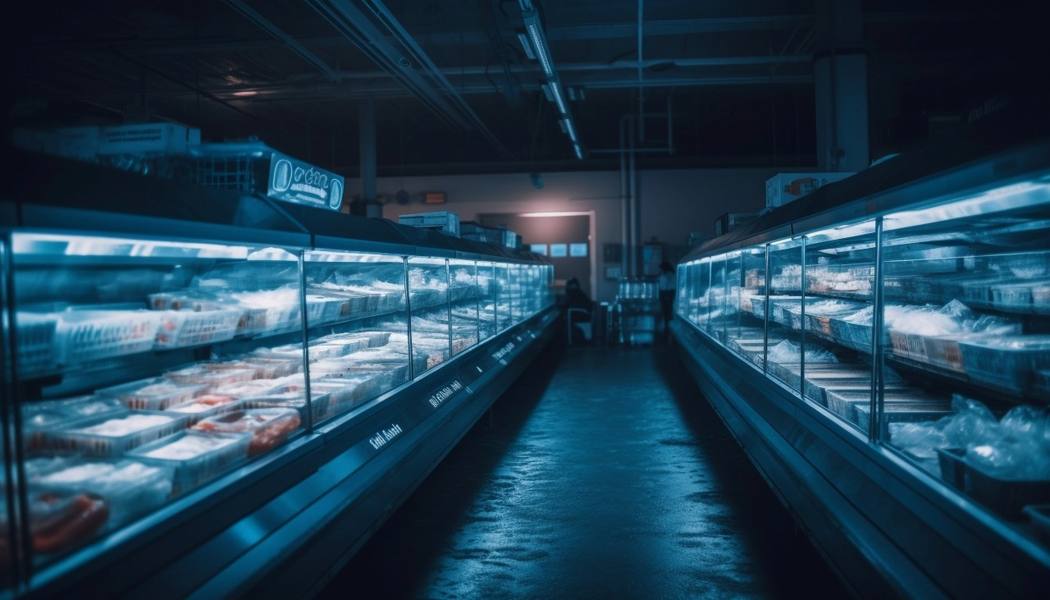
Refrigeration warehouses are an integral part of the supply chain of perishable goods.
Холодильные склады играют ключевую роль в современной логистике, обеспечивая сохранность скоропортящихся товаров, таких как продукты питания, лекарства, цветы и другие чувствительные к температуре изделия. Грамотная организация хранения на таких складах позволяет минимизировать потери и гарантировать качество продукции на протяжении всего срока хранения и транспортировки.
Что такое холодильный склад?
Холодильный склад – это специально оборудованное помещение, в котором поддерживаются низкие температуры (от -40°C до +10°C) для сохранения качества товаров. Такие склады могут использоваться для хранения замороженной и охлажденной продукции.
Виды холодильных складов:
- Охлаждаемые склады (+2…+10°C) – для хранения свежих овощей, фруктов, молочных продуктов, мяса, рыбы, лекарств.
- Морозильные склады (-18…-25°C) – предназначены для хранения замороженной рыбы, мяса, полуфабрикатов, мороженого.
- Глубокозамораживающие склады (-30…-40°C) – применяются для длительного хранения продуктов с высокой степенью заморозки, например, мяса или рыбы перед длительной транспортировкой.
- Комбинированные склады – оборудованы разными температурными зонами для хранения различных категорий продукции.
Основные требования к холодильным складам
Температурный режим
Поддержание заданной температуры – основной фактор, влияющий на качество хранения. Температурные колебания могут привести к порче продукции. Для этого используются системы автоматического контроля температуры и влажности.
Влажность
Оптимальная влажность зависит от вида хранимого товара:
- Для фруктов и овощей – 85-95%
- Для мяса – 75-85%
- Для замороженных продуктов – 90-95%
Вентиляция
Свежий воздух предотвращает скопление конденсата и грибковых образований, которые могут испортить продукцию.
Гигиенические нормы
Санитарные правила требуют регулярной дезинфекции складов, особенно если речь идет о продуктах питания. Оборудование и стены должны быть сделаны из материалов, устойчивых к влаге и низким температурам.

Особенности хранения различных категорий товаров
Продукты питания
- Мясо и птица: Хранится при температуре -18…-25°C. Важно исключить повторную заморозку.
- Рыба и морепродукты: Оптимальная температура хранения – от -20°C до -30°C.
- Молочные продукты: Хранятся при температуре от 0 до +4°C.
- Фрукты и овощи: Для большинства требуется температура +2…+8°C, но бананы, например, хранятся при +13°C.
Медикаменты
Фармацевтические препараты требуют особых условий хранения, так как температурные отклонения могут сделать их неэффективными. Некоторые вакцины, например, должны храниться при -20°C, а инсулин – при +2…+8°C.
Цветы и растения
Требуют температуры около +4…+7°C и высокой влажности, чтобы не увядали.
Современные технологии в холодильных складах
Современные склады оснащены:
- Системами автоматического контроля температуры и влажности
- Складскими роботами и автоматизированными стеллажами
- Технологиями энергосбережения (например, термоизоляционные панели)
- GPS-контролем температурного режима при транспортировке
Холодильные склады – неотъемлемая часть цепочки поставок скоропортящихся товаров. Грамотное соблюдение температурного режима, влажности и санитарных норм позволяет сохранять продукцию в надлежащем состоянии, снижать убытки и продлевать срок хранения. Развитие технологий делает этот процесс более эффективным, снижая затраты и повышая качество хранения.