Qingdao and Urumqi accelerate freight to Europe
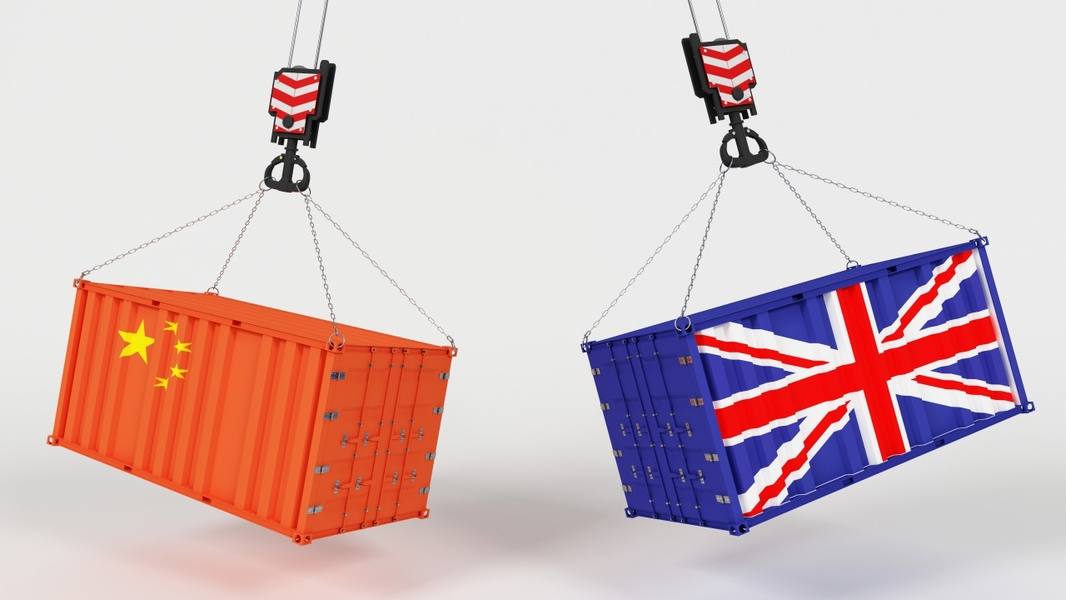
Combining tax and customs checks is a game-changing reform on the China-Europe route.
Until recently, the processing of import and transit cargo in China included: two independent inspections:
- Laboratory analysis for tax administration purposes.
- Customs control for admission to the border.
It meant double testing, duplication of documents and approvalsThis increases time and cost.
Both procedures are now combined into test. The laboratory conducts a single analysis, and its results are accepted by both the tax service and the customs authorities.
Saving time and money
The example showed a real effect:
- 180 tons of feed wheat flour It came through Qingdao and Urumqi.
- Under the old rules, it would have been 10 days.
- Under the new scheme, all procedures have been completed 2 days.
Savings: minus 8 days nearly 16,000 yuan in downtime costs.
Companies not only reduce costs, but also Reduce the risk of supply disruptionThis is especially important for raw materials and components in production chains.
Where the system already works
The new model does not apply only to food products. In Qingdao, it is already used for import:
- fuel oil;
- copper concentrate;
- coal.
The case with flour was the first experience when The same party passed a single design at once in two nodes of the chain seaport (Qingdao) and land hub (Urumqi). This showed that the system does not work point by point, but can scale to transit routes to Central Asia and Europe.
Importance for international routes
Reducing the processing time is especially important for logistics:
- Central AsiaCountries in the region depend on fuel, coal and food supplies from China. Quick inspection reduces the risk of disruption.
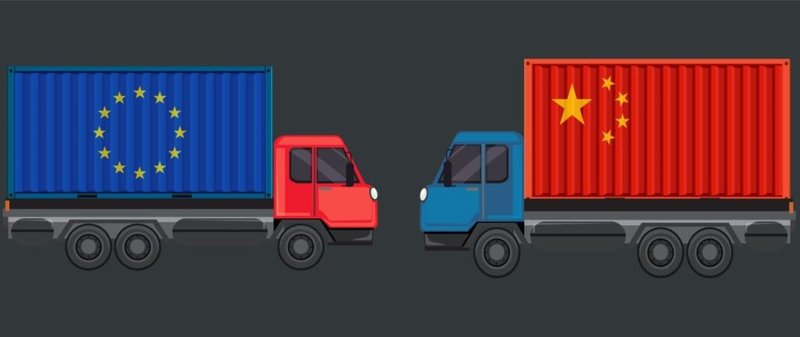
- EuropeGoods through Kazakhstan and Russia move to the EU. The less bureaucracy in China, the more attractive the whole China-Europe route is.
- ShippingQingdao is a key port for exporting raw materials. The new system makes it even more competitive against other Asian hubs.
Impact on industries
- Energy Imports of coal and fuel oil are accelerating, reducing risks to energy security.
- Metallurgy Simplification of import of copper concentrate and other ores reduces downtime of production.
- AIC and the food industry Raw materials and semi-finished products pass faster, which helps control the prices of products.
- Transit transport Companies that use China as a corridor have more predictable logistics.
Reform prospects
Chinese Customs said it would expand the model to focus on requests of business and industries with high cargo turnover. Priority:
- Commodities (energy resources, metals, grain);
- Key China-Europe transit routes through land hubs
- regions with a high concentration of production.
The main goal is for import and transit cargo to pass through China. faster, more reliable and cheaperThe country itself has strengthened its role. Global Logistics Centre.
Combining tax and customs checks is not just a simplification of bureaucracy. This is a game-changer on the China-Europe route.
- Reduced processing costs.
- Accelerating supply chains.
- Increasing the competitiveness of Chinese ports and land hubs.
If the system spreads throughout the country, Logistics through China will become even more attractive for international carriersBusinesses will have a reliable tool to control costs.