Processing capacity of the main railway nodes of Russia
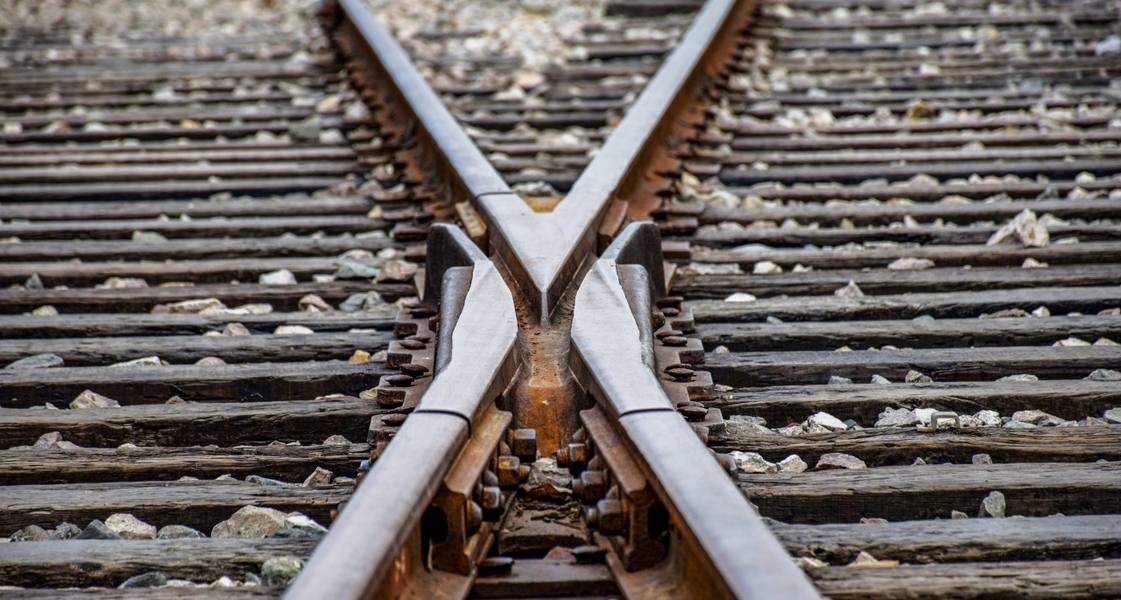
It is the nodes that receive, sort, form and send cargo flows.
Rail transport remains a key pillar of Russian freight logistics. Huge distances, a high share of raw materials and industrial cargoes, focus on export and transit - all this makes the railway indispensable. However, the effectiveness of the whole system is largely determined not by the length of the paths, but by the processing capacity of railway stations.
It is the nodes that receive, sort, form and send cargo flows. If they are overloaded, the whole chain rises – from the port to the factory.
What is the processing capacity of the railway node
The processing capacity of the railway hub is maximum volume of trains and freightwhich node is capable of:
- accept
- process,
- redistribute
- send off
for a certain period of time without losing the stability of the schedule.
It's influenced by:
- number and configuration of paths;
- availability of sorting stations;
- technical equipment;
- capacity of adjacent directions;
- traffic management.
Role of railway junctions in the logistics of the country
Railway nodes perform several functions at once:
- concentration of cargo flows;
- redistribution between directions;
- formation of long compositions;
- Linkage of the railway with ports, motor transport and industrial zones.
This is the heart of the railway system. Even with high quality highways, a weak knot becomes a bottleneck.
Key railway junctions of Russia
Russia has an extensive network of large nodes, each of which performs its strategic function.
Moscow Railway Hub
The most complex and busy in the country.
Features:
- intersection of many radial directions;
- high passenger traffic;
- Large volumes of container and industrial cargo.
Processing specifics:
- high density of movement;
- Limited opportunities for expansion;
- Active automation and removal of cargo operations outside the city.
The Moscow node is operating at the limit and requires constant optimization of processes.
St. Petersburg railway junction
Key access to the Baltic seaports.
Features:
- communication with sea terminals;
- significant container flows;
- export-import orientation.
Limitations:
- dense urban development;
- seasonal peaks;
- Dependence on port infrastructure.
The development of the hub is closely related to the modernization of ports and approaches to them.
Yekaterinburg railway hub
One of the main hubs of the Urals and the whole country.
Role:
- junction of the European and Asian parts of Russia;
- processing of industrial cargoes;
- Trans-Siberian transit.
Strengths:
- developed sorting infrastructure;
- high share of cargo operations;
- A significant growth reserve during modernization.
Novosibirsk railway junction
The largest node of Siberia.
Functions:
- distribution of goods by regions of Siberia;
- maintenance of the Trans-Siberian;
- Container and grain hub.
Challenges and challenges:
- growth of container flows;
- the need to expand sorting capacities;
- Integration with multimodal terminals.
Krasnoyarsk railway hub
Specialized industrial hub.
Primary goods:
- coal;
- metals;
- products of the mining industry.
Feature:
- high concentration of heavy compositions;
- Dependence on the state of approaches and sorting stations.
Vladivostok and Nakhodka knots
Key points of entry to the Pacific Ocean.
Role:
- export to Asia-Pacific countries;
- container and bulk cargoes;
- Linkage of railways with seaports.
The main challenge:
- discrepancy between the growth of port capacities and railway approaches;
- peak overloads;
- The need for synchronization with port logistics.

Factors limiting processing capacity
Despite the scale of the network, nodes face common challenges:
- deterioration of infrastructure;
- lack of sorting capacity;
- shortage of traction and locomotive crews;
- intersection of cargo and passenger traffic;
- unevenness of cargo flows.
These factors are particularly acute during periods of export peaks.
Modernization and digitalization of nodes
In recent years, the focus has been on:
- automation of sorting processes;
- implementation of digital planning;
- development of terminal and logistics complexes;
- Redistribution of flows between nodes.
Digital systems allow you to increase the actual processing capacity without large-scale construction.
The importance of processing capacity for the economy
The throughput and processing capacity of nodes directly affects:
- export opportunities of the country;
- cost of logistics;
- Supply chain stability;
- investment attractiveness of the regions.
One congested node can create a domino effect thousands of miles ahead.
The Future of Russian Railways
In the future, the development will go in three directions:
- removal of part of operations outside cities;
- integration of railway nodes with multimodal hubs;
- The growing role of the eastern and northern directions.
The railways will gradually become Logistics Centers of the New GenerationIt deals not only with the movement of trains, but also with the management of cargo flows in general.
The railway processing capacity of the nodes is one of the key indicators of the stability of the transport system of Russia. It is here that the interests of industry, export, logistics and regional development converge.
Improving the efficiency of the nodes is not just a technical task, but a strategic issue that directly affects the competitiveness of the Russian economy in the coming years.