Eurasia’s New Logistic Routes: How China Is Rebuilding the Map of Global Trade

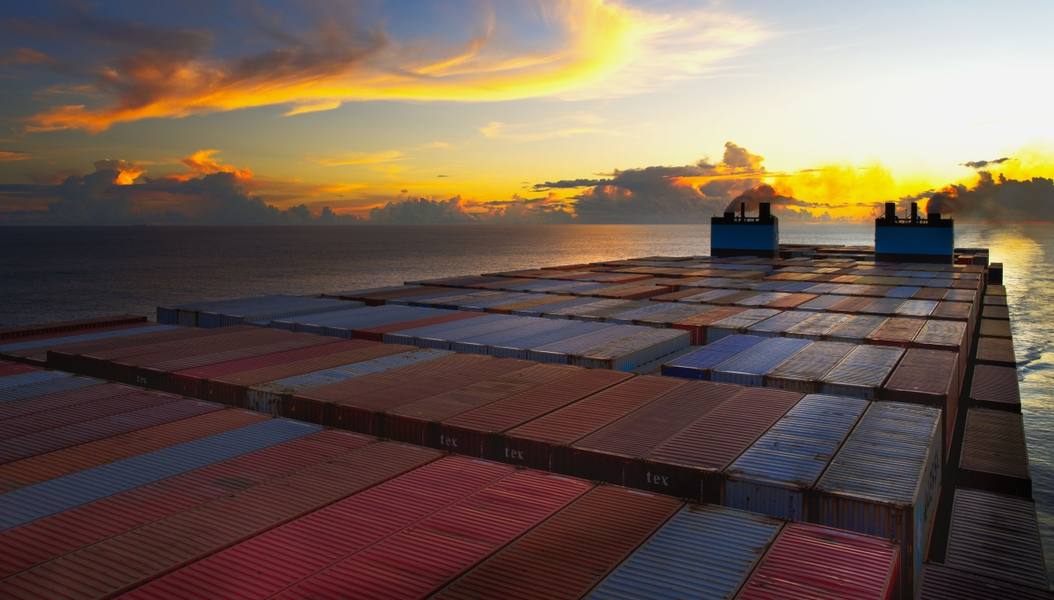
For Russian business, this means the emergence of new opportunities for organizing supplies through Central Asia.
There is a quiet revolution in logistics. While business attention is focused on sanctions, maritime crises and rising tariffs, China is actively forming a new network of international transport corridors, which in the coming years may change the usual geography of trade between Asia, Europe and ASEAN countries.
It's not just about new rail lines or highways. An alternative transport architecture of Eurasia is being formed, which unites China, Central Asia, Southeast Asia and global sea routes.
From Urumqi and Chongqing - to new global markets
Judging by your photo, the head had in mind several promising transport directions at once:
- Russia - Urumchi - Central Asia
- China - Laos - Vietnam - Thailand - Malaysia - Singapore
- China - Kyrgyzstan - Uzbekistan - Turkmenistan - Caspian
- New multimodal routes through Chongqing and western China
These areas are currently receiving the most investment from the Chinese state.
Central Asia becomes Eurasia’s new transport hub
After 2022, global logistics began to actively look for alternatives to traditional routes through Russia and the Suez Canal. As a result, Central Asian states have become the focus of attention of the world’s largest transport operators.
Today, China is actively developing several land corridors:
Route:
China → Kyrgyzstan → Uzbekistan → Turkmenistan → Caspian Sea → Europe
This corridor allows:
- reduce dependence on northern routes;
- to create an alternative exit to Europe;
- speed up the delivery of goods;
- Diversify logistics risks.
The Chinese logistics hub in Kashgar is becoming an important point of cargo consolidation for Central Asia.
Urumqi becomes China’s main gateway to Eurasia
The city of Urumqi in the Xinjiang Uygur Autonomous Region is already one of the largest land logistics centers in China.
It passes through:
- railway routes China - Europe;
- Road corridors to Kazakhstan and Central Asia;
- container multimodal transportation;
- One Belt, One Road Initiative.
For Russian business, this means the emergence of new opportunities to organize supplies through Central Asia using alternative logistics chains.
China - Laos - Thailand: the birth of a new transport axis of Southeast Asia
One of the most successful infrastructure projects in recent years has been the China-Laos railway.
Today, it is gradually becoming the basis of a single transport corridor:
China → Laos → Thailand → Malaysia → Singapore
This route has the potential to significantly alter trade within the ASEAN region.
What does that do to business?
- reduction of delivery time;
- Reducing logistics costs;
- the possibility of direct multimodal deliveries;
- Creation of new production chains between China and Southeast Asian countries.
Routes are developing especially actively through:
- Kunming;
- Vientiane?
- Bangkok;
- Kuala Lumpur;
- Singapore.
Chongqing becomes the new Suez Canal
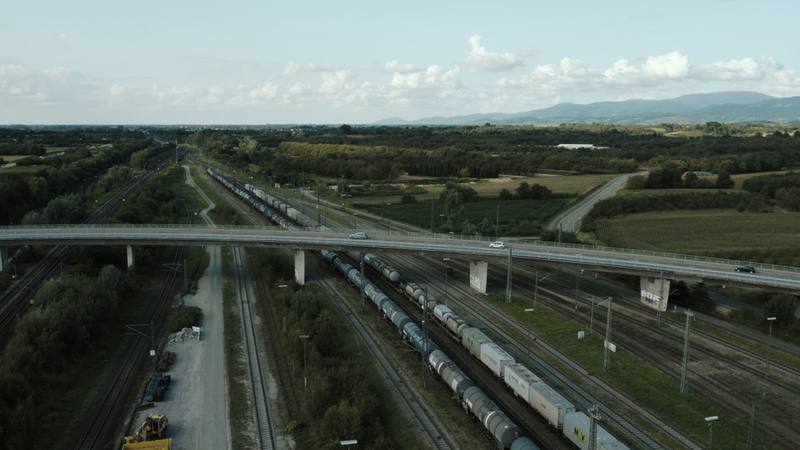
Another strategic center is the Chinese metropolis of Chongqing.
Today, the city is turning into the largest domestic logistics hub in Asia, uniting:
- railway routes to Europe;
- ASEAN maritime corridors;
- road transport networks;
- Air freight transport.
Experts already call Chongqing a potential "land Suez Canal" capable of redistributing a significant part of international cargo flows.
New international corridor "Sea + Railway"
China is also actively developing the New International Land-Sea Trade Corridor.
It combines:
- Western regions of China;
- ports of South China;
- ASEAN countries;
- world sea routes.
By the end of 2025, more were transported through this corridor. 1.4 million TEU containersThis is almost 48% more than a year earlier.
What does this mean for Russian business?
For Russian companies, the formation of new Eurasian corridors opens up several strategic opportunities:
1. Alternative Supplies through Central Asia
Reduced dependence on traditional routes.
2. Access to Southeast Asian markets
Laos, Thailand, Vietnam and Malaysia are becoming more accessible for trade.
3. Diversification of export logistics
It is possible to create flexible multimodal schemes.
4. New investment opportunities
The development of transport hubs creates a demand for:
- warehouses;
- logistic terminals;
- industrial parks;
- service companies.
Eurasian logistics enters a new era
China is no longer just building roads and railway lines. It forms a new architecture of world trade, where Central Asia, Southeast Asia and multimodal transport corridors are starting to play a key role.
For business, this means one thing: the next 5-10 years will be a period of large-scale redistribution of international cargo flows. And those companies that will be able to integrate into new routes ahead of competitors will gain a serious strategic advantage.