Maritime logistics in China: features, ports and prospects
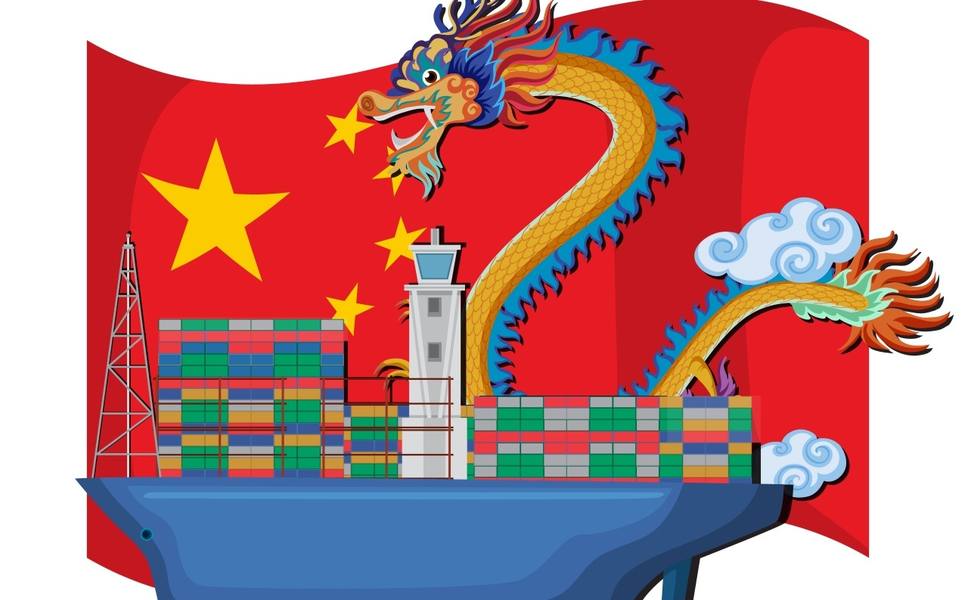
China’s maritime logistics plays a key role in the global economy.
China is the world’s largest exporter, and more than 90% of the country’s international trade passes through sea lanes. China Maritime Logistics is an extensive system of ports, terminals, shipping companies and logistics operators, ensuring fast and efficient delivery of goods around the world.
In this article, consider:
How is maritime logistics in China
Which sea routes are most popular
Which ports play a key role
Major Challenges and Development Prospects
Maritime logistics of China: key aspects
Developed port infrastructure
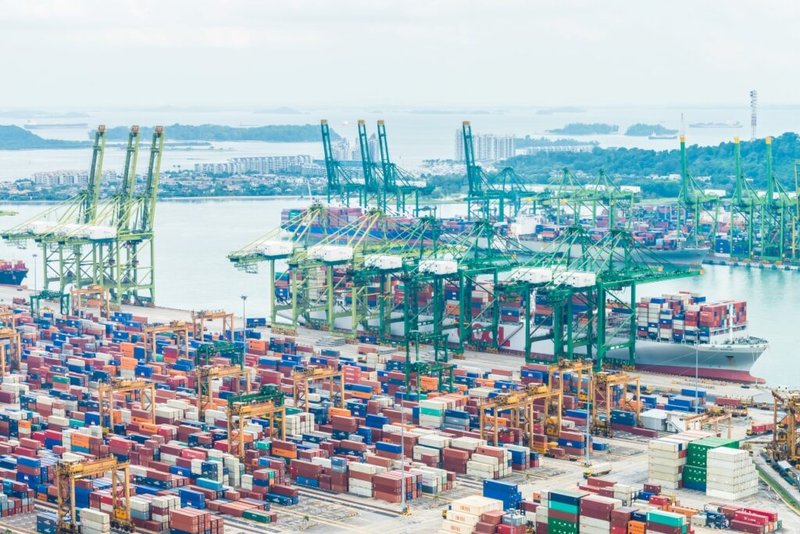
China has the most developed port system in the world. The country has 7 of the 10 largest container ports in terms of cargo handling. These ports are equipped with advanced technologies, automated terminals and powerful transport links to the inland regions.
Main types of maritime transport
China Maritime Logistics covers various types of transportation:
- Container transportDominant format for international trade
- Roro transportationTransportation of vehicles and special equipment
- Bulk cargoes- transportation of raw materials such as ore, coal, grain
- Tank transport- Oil, gas and chemical products
Popular sea routes
China – Europe (via the Suez Canal)
This route is considered the main transport corridor for the delivery of goods from China to European countries.
Route:
China → South China Sea → Strait of Malacca → Indian Ocean → Suez Canal → Mediterranean Sea → Europe.
Average delivery time: 30-40 days.
Main products:
Electronics
Clothing and shoes
Industrial equipment
Auto parts
Key ports of destination:
Rotterdam (Netherlands)
Hamburg (Germany)
Antwerp (Belgium)
Advantages of the route:
High capacity
Developed port infrastructure in Europe
Disadvantages:
Possible Delays in the Suez Canal
High tariffs for passage through the Suez Canal
China – United States (across the Pacific)
This route connects the largest Chinese ports with the west coast of the United States.
Route:
China → Pacific Ocean → West Coast of the United States.
Average delivery time: 15-30 days.
Main products:
Consumer electronics
Toys
Textiles and shoes
Parts and components
Key ports of destination:
Los Angeles (USA)
Long Beach (USA)
Seattle (USA)
Advantages of the route:
Relatively short delivery times
High frequency of shipments
Disadvantages:
Congestion of American ports
High tariffs due to trade policy
China – Southeast Asia
A regional route that is used to deliver goods to neighboring countries.
Route:
China → South China Sea → Southeast Asian countries.
Average delivery time: 3-7 days.
Main products:
Raw materials and components for production
Household appliances
Food supply
Key ports of destination:
Singapore
Jakarta (Indonesia)
Bangkok (Thailand)
Advantages of the route:
Minimum delivery times
Low customs duties
Disadvantages:
Limited capacity of small ports
Dependence on weather conditions
China – Latin America and Africa
Long routes used to trade with growing markets.
Route:
China → Indian Ocean → South America / Africa
Average delivery time: 30-60 days.
Main products:
Heavy equipment
Cars.
Infrastructure materials
Key ports of destination:
São Paulo (Brazil)
Cape Town (South Africa)
Buenos Aires (Argentina)
Advantages of the route:
Access to new markets
Opportunity to work with government orders
Disadvantages:
Long delivery times
Political instability in some regions
Logistics chain of maritime transport
The process of maritime transportation of goods includes several stages:
1. Carrier search and selection
The client chooses the logistics company, the shipping line and the optimal route.
2. Reservation of the container
Booking for container freight is made, the date of loading is agreed.
3. Customs clearance
Export declaration, verification of documents and obtaining permits.
4. Carriage of goods to port
Rail or road transport is used to deliver cargo to the port of departure.
5. Loading and dispatch
The cargo is loaded onto the ship, passes the final control and is sent to its destination.
6. Unloading and customs clearance
After arrival at the port of destination, the containers are unloaded and are subject to import declaration.
7. Delivery to recipient
The cargo is delivered to the end customer through the internal transport network.
Prospects for the development of maritime logistics in China
- Increase in automation Introduction of unmanned container transportation
- Enhancing environmental sustainability Use of low-emission vessels
- Development of the Maritime Silk Road strengthening international cooperation
Top 10 largest ports in China
Chinese ports provide more than 30% of the world’s sea traffic. Below is the top 10 largest ports in China in terms of cargo turnover.
1. Port of Shanghai (Shanghai Port)
Address: 358 East Daming Road, Shanghai, China
Telephone: +86 21 5533 8888
Website: www.portshanghai.com.cn
2. Port of Ningbo-Zhoushan (Ningbo-Zhoushan Port)
Address No. 1 Zhaobao Mountain Road, Ningbo, China
Telephone: +86 574 2769 8888
Website: www.portnb.com
3. Port of Shenzhen (Shenzhen Port)
Address: Yantian Port, Shenzhen, China
Telephone: +86 755 2529 8888
Website: www.szport.net
4. Port of Guangzhou (Guangzhou Port)
Address: 59 Xin Gang Dong Road, Guangzhou, China
Telephone: +86 20 8909 2888
Website: www.gzport.com
5. Qingdao Port (Qingdao Port)
Address: 6 Gangji Road, Qingdao, China
Telephone: +86 532 8298 8888
Website: www.qdport.com
6. Port of Tianjin (Tianjin Port)
100 Xingang Road, Tianjin, China
Telephone: +86 22 2570 8888
Website: www.tjport.com
7. Port of Dalian (Dalian Port)
Address: 1 Gangwan Street, Dalian, China
Telephone: +86 411 8262 8888
Website: www.portdalian.com
8. Xiamen Port (Xiamen Port)
Address: 98 Lujiang Road, Xiamen, China
Telephone: +86 592 202 8888
Website: www.xmport.com
9. Port Beihai (Beihai Port)
Address: 12 Haibin Road, Beihai, China
Telephone: +86 779 202 8888
Website: www.beihaiport.com
10. Lianyungang Port (Lianyungang Port)
Address: 1 Gangcheng Road, Lianyungang, China
Telephone: +86 518 8239 8888
Website: www.lygport.com
China’s maritime logistics plays a key role in the global economy. Chinese ports This is a high speed of cargo handling, stable routes and powerful logistics links. Despite the challenges, China continues to develop its infrastructure, offering business more favorable conditions.