Freight from China to Moscow and Russian regions: how the main logistics chain works
Many federal companies buy goods centrally and only then distribute them between branches.
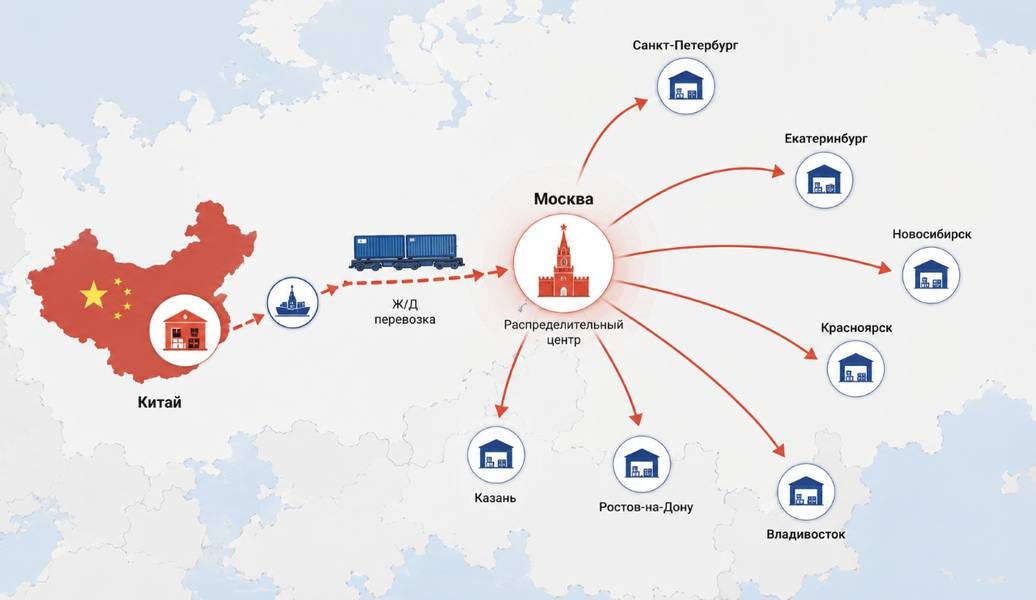
In recent years, the logistics between China and Russia has undergone major changes. Previously, a significant part of cargo was sent directly to the regions, but today Moscow has become the main center of consolidation and redistribution of goods.
In fact, the capital has become the largest logistics hub of Eurasia, through which a significant part of imported goods from China passes. Here, goods are customs clearance, warehouse processing, sorting and then distributed throughout Russia.
This model allows importers to optimize supplies, reduce inventory and respond faster to changes in demand.
What volumes go from China to Moscow
China remains the main trading partner of Russia and the largest supplier of industrial products, equipment, electronics, clothing, components and consumer goods.
Main delivery channels:
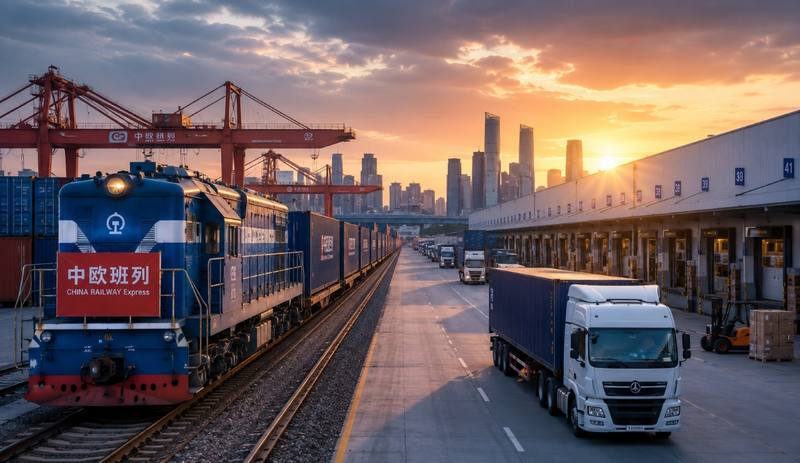
- railway container trains;
- road transport;
- sea container services through the ports of the Far East;
- Multimodal routes.
The most sought-after areas are:
- Shanghai - Moscow;
- Ningbo to Moscow;
- Qingdao - Moscow;
- Shenzhen - Moscow;
- Guangzhou - Moscow;
- Chengdu to Moscow;
- Chongqing to Moscow;
- Xi'an to Moscow.
According to market participants, up to 60-70% of all container imports from China entering Russia pass through the Moscow transport and logistics hub.
The basis of cargo flow is:
Consumer goods
These include:
- household appliances;
- electronics;
- clothing;
- shoes;
- furniture;
- Home goods.
Industrial products
Supplies have increased dramatically in recent years:
- machine tools;
- industrial equipment;
- automotive components;
- construction equipment;
- spare parts.
E-commerce
A separate direction forms the e-commerce market.
Marketplaces and major online retailers accept thousands of containers of goods from China every day for further delivery across the country.
Why cargoes go to Moscow first
At first glance, it may seem counterintuitive to carry a container across the country if the final buyer is located, for example, in Yekaterinburg or Novosibirsk.
However, in practice, such a scheme is often more cost-effective.
The reasons are obvious.
Concentration of warehouse infrastructure
More than 40% of all modern warehouse space in Russia is concentrated in the Moscow region.
Here are located:
- distribution centers of marketplaces;
- warehouses of federal networks;
- customs and logistics terminals;
- The largest transportation companies.
Centralization of procurement
Many federal companies buy goods centrally and only then distribute them between branches.
Supply flexibility
Storage of goods in Moscow allows you to quickly redistribute volumes between regions depending on demand.
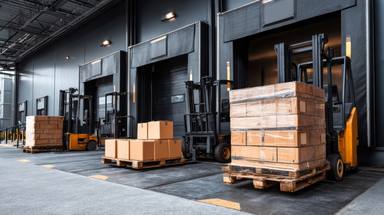
The second stage: Moscow as a distribution center
After the arrival of the container, a new stage of the logistics chain begins.
Goods are unloaded at terminals and sent to temporary storage warehouses or distribution centers.
This is where:
- customs clearance;
- sorting;
- marking;
- repackaging;
- formation of regional parties.
The products are then sent to the final recipients.
In fact, Moscow operates on the model of the largest European logistics centers, through which goods are distributed throughout the EU.
Where Chinese goods go next
The largest volumes from Moscow are sent to the largest regional centers of the country.
Central Federal District
Main areas:
- Tula;
- Kaluga;
- Ryazan;
- Yaroslavl;
- Voronezh.
Deliveries are carried out mainly by road transport.
Volga
Major recipients:
- Kazan;
- Nizhny Novgorod;
- Samara;
- Saratov;
- Ufa.
The region remains one of the most capacious markets for consumption of industrial products.
ural
Key areas:
- Yekaterinburg;
- Chelyabinsk;
- Perm;
- Tyumen.
It receives both consumer goods and equipment for industry.
Siberia
The main cargo flows are directed to:
- Novosibirsk;
- Krasnoyarsk;
- Omsk;
- Tomsk;
- Kemerovo.
Siberia is characterized by active use of railway transport.
Far East
Despite its proximity to China, some goods also flow through Moscow’s distribution centers.
This applies to the products of federal retail chains and marketplaces.
How the structure of transportation changes
A few years ago, direct deliveries in large quantities dominated.
Today, the market is moving to a new model.
Major trends:
Increased containerization
More and more goods are transported in containers even within the country.
Development of regional distribution centres
Large logistics companies create hubs in:
- Yekaterinburg;
- Novosibirsk;
- Kazan;
- Krasnodar.
The growth of e-commerce
Marketplaces require daily replenishment of warehouses throughout Russia, which increases the amount of domestic transportation.
Acceleration of rail delivery
Container trains are becoming a competitor to long-distance vehicles.
The main problems of the logistics chain
Despite the development of infrastructure, market participants face a number of limitations.
Among them:
- congestion of Moscow terminals;
- lack of storage space;
- shortage of containers in high season;
- limited capacity of the Eastern test site;
- The increase in the cost of domestic logistics.
As a result, the cost of delivery within Russia in some cases is already comparable to the cost of international leverage from China.
What happens next?
Experts predict further growth of cargo traffic between China and Russia.
The logistics model will gradually change.
If today Moscow remains the main distribution hub of the country, in the coming years, part of the cargo will begin to be redistributed through regional hubs in Siberia, the Urals and the Volga region.
However, the market is unlikely to completely abandon the Moscow model. A huge concentration of warehouses, transport companies and consumers makes the capital a key element of the entire logistics system of Russia.
Therefore, the China-Moscow-Regions route will remain the main transport artery of the Russian economy for a long time, ensuring the movement of millions of tons of cargo from the border to the final consumer.