Modern technologies in terminal handling of goods

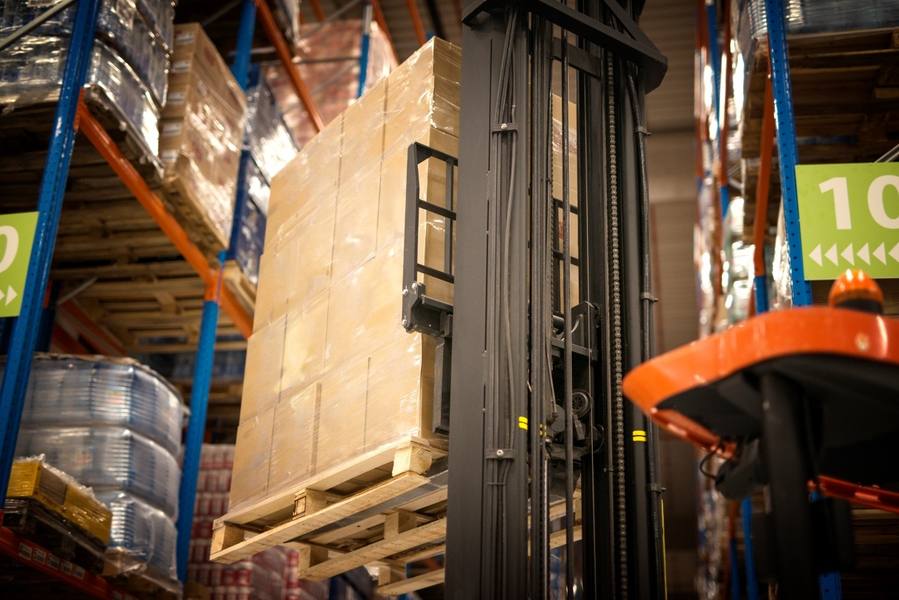
The introduction of modern technologies allows to speed up operations, reduce costs and improve the safety of cargo transportation.
Freight terminals play a key role in international logistics, providing handling, transshipment, storage and dispatch of goods. Modern technologies make it possible to increase the efficiency of these processes, reduce costs and minimize errors. In this article, we look at innovative solutions in terminal handling and cost reduction strategies.
Terminal handling of goods includes:
- Unloading and loading of containers
- Sorting and storage of goods
- Customs clearance
- Quality control and accounting
Errors and delays at terminals can result in significant financial losses. The introduction of modern technologies allows to speed up operations, reduce costs and improve the safety of cargo transportation.
Modern technologies in terminal handling of goods
Automated Control Systems (TOS) - Terminal Operating Systems
What is it?
Software that manages all the processes at the terminal – from receiving and accounting goods to their distribution and dispatch.
Advantages:
- Optimization of logistics
- Reducing errors in cargo handling
- Automatic accounting of all transactions
Example: NAVIS N4 is one of the leading TOS used in major ports in the world.
Robotic equipment and automatic overloaders
What is it?
Using automated cranes, robots and drones to unload and load containers.
Advantages:
- Reduction of time for cargo handling
- Reducing labour costs
- Reducing the risk of damage
Example: The port of Shanghai Yangshan uses unmanned cranes and robots, which allows processing up to 40 million TEU per year.
Internet of Things (IoT) and Sensor Technology
What is it?
Using sensors and RFID tags to monitor the condition of cargo and equipment in real time.
Advantages:
- Temperature and humidity control for sensitive goods
- Reducing losses and theft
- Automation of warehouse accounting
Example: Maersk uses IoT to monitor containers in transit and at terminals.
Artificial Intelligence (AI) and Big Data
What is it?
Analyzing big data and predicting terminal loading using AI algorithms.
Advantages:
- Optimization of cargo placement
- Prediction of peak loads
- Reducing equipment downtime
Example: DP World is using AI to manage terminals in Dubai, increasing capacity by 30%.
Unmanned transport and drones
What is it?
Automated trucks, tractors and drones to move goods inside the terminal.
Advantages:
- Savings on fuel and driver salaries
- Accelerating logistics operations
- Improved security at terminals
Example: In China, the Qingdao terminal has introduced unmanned trucks to transport containers.
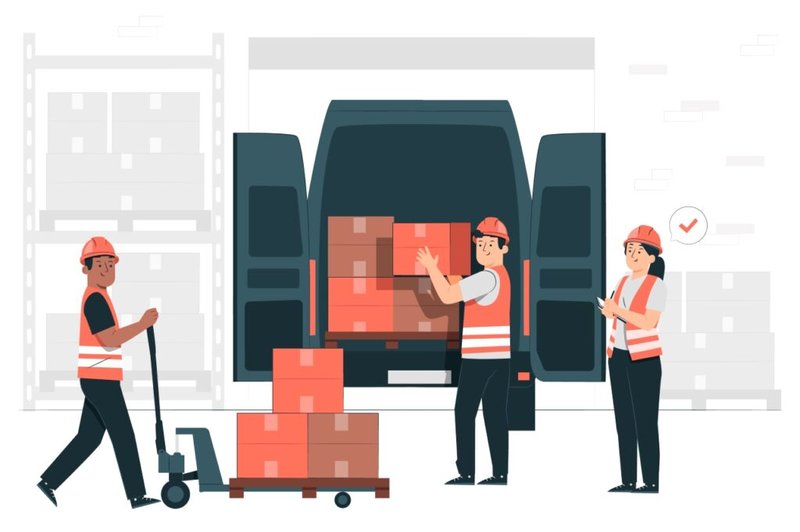
How to reduce the cost of terminal handling?
Optimization of warehouse operations
- Implementation of automated warehouse systems
- Using drones for inventory
- Optimization of cargo placement
Reducing staff costs
- Introduction of robotic forklifts
- Using IoT to control equipment
- Automation of document flow
Increasing the speed of cargo handling
- Investing in AI solutions for load prediction
- Using TOS to optimize routes
- Application of RFID tags for accelerated identification
Reducing losses and theft
- Control of containers through IoT systems
- Video surveillance with AI analytics
- Use of smart locks and motion sensors
Energy efficiency
- Transition to electric loading equipment
- Implementation of green technologies (solar batteries, LED lighting)
- Use of hybrid or hydrogen tractors
Examples of successful technology implementation
Shanghai Yangshan A fully automated port where robots and AI handle 40 million TEUs per year.
Maasvlakte II Terminal (Netherlands) 100% autonomous container carriers without drivers.
Singapore port of PSA The introduction of AI and Big Data has reduced container processing time by 35%.
Port of Long Beach (USA) The transition to electric forklifts and unmanned cranes has reduced fuel costs by 25%.
Modern technologies can significantly reduce the cost of terminal handling of goods. The introduction of AI, IoT, unmanned vehicles and automated control systems allows:
- Accelerate cargo handling
- Reduce loss and theft
- Optimize staff costs
Near-term prospects Increase the use of AI and unmanned technologies. Companies that invest in innovation gain a competitive advantage and reduce transaction costs.