Transportation of dangerous goods: port, customs and Trans-Siberian Railway without errors
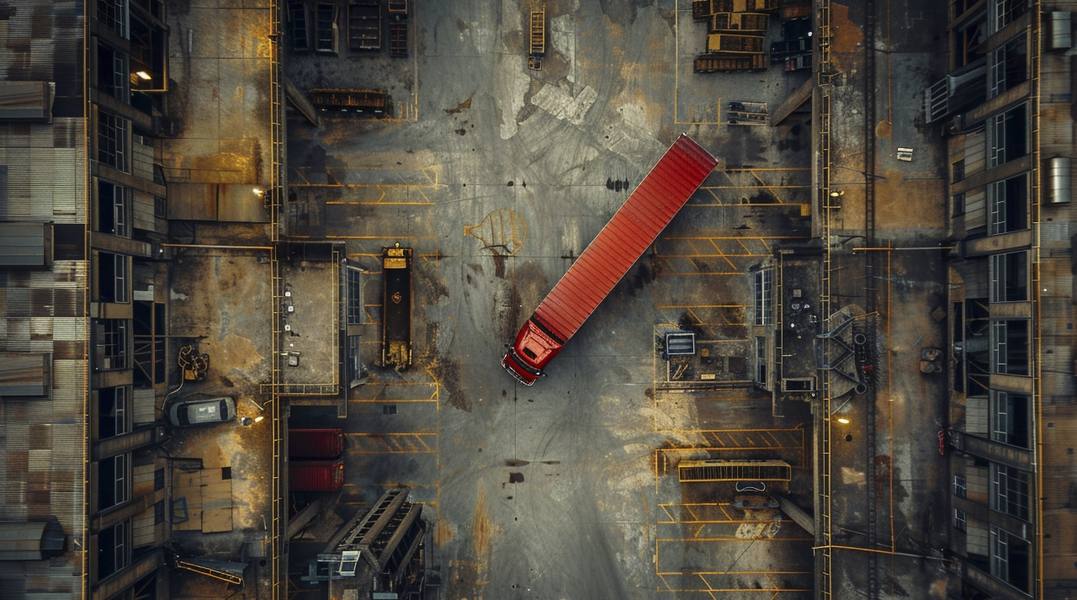
We will analyze the full cycle: from cargo preparation in the port to delivery by Trans-Siberian Railway
Transport of dangerous goods - One of the most complex segments of logistics, where errors in documents, labeling or process organization can directly affect time, cost and security.
Unlike standard container transportation, there are strict international regulations (IMDG Code, ADR) and national regulations, including RD 31.82.03-87 and rules for the transport of dangerous goods by rail.
We will analyze the full cycle: from cargo preparation in the port to delivery by Trans-Siberian Railway.
Preparatory stage: classification and documents
Before a ship arrives at port, proper preparation is essential. This is where the entire transportation of dangerous goods is based.
Hazard classification
First step. - Determination of cargo parameters according to international standards:
- Danger class of IMDG Code
- UN
- packing
- Compatibility requirements for dangerous goods
Correct classification affects all further stages: from container marking to storage and transportation conditions.
Main documents
At this stage, a complete package is formed:
- bill of lading marked Dangerous Goods
- Dangerous Goods Declaration (IMDG Dangerous Goods Declaration)
- Security passport (MSDS) in Russian
- invoice packing-sheet
- Permits and licenses (if necessary)
Preliminary notification of the port and terminal is also carried out, indicating the characteristics of the cargo and the requirements for its placement.
Ship arrival and port procedures
After the arrival of the ship, the initial control and approval stage begins.
The captain transmits the Dangerous Goods Manifest in advance, and the port checks that containers can be handled safely.
Key requirements:
- compliance with sanitary safety standards
- availability of loading and unloading areas
- compliance with storage conditions (ventilation, temperature)
Only after that the ship is allowed to moor and unload.
Customs clearance of dangerous goods
Customs clearance - One of the most sensitive stages.
Mandatory inspection
A declaration is submitted with a full set of documents, including:
- bill of lading
- dangerous goods declaration
- MSDS
- certificates and permits
Feature - Mandatory conformity check:
- container marking
- sealability
- packaging
- classification
In case of violations, delays and a ban on unloading are possible until the inconsistencies are eliminated.
Unloading and port storage
After release, the actual processing of containers begins.
Cargo handling
The work is carried out taking into account:
- fixation
- Compatibility requirements for dangerous goods
- avoidance
Containers are not placed near incompatible substances.
Storage of dangerous goods
Special zones are used at the terminal:
- spot-marked
- fire-fighting
- sealing
- bookkeeping
The storage of dangerous goods is strictly regulated, especially in customs warehouses.
Intra-port forwarding and export
At this stage, the task - organize urgent removal of cargo and minimize downtime.
Freight forwarder:
- monitors storage time
- check out
- Transportation of dangerous goods
Features of export
- route-making
- Carrier's license
- discharge
A direct option (board car or board car) is possible, which reduces transit time.
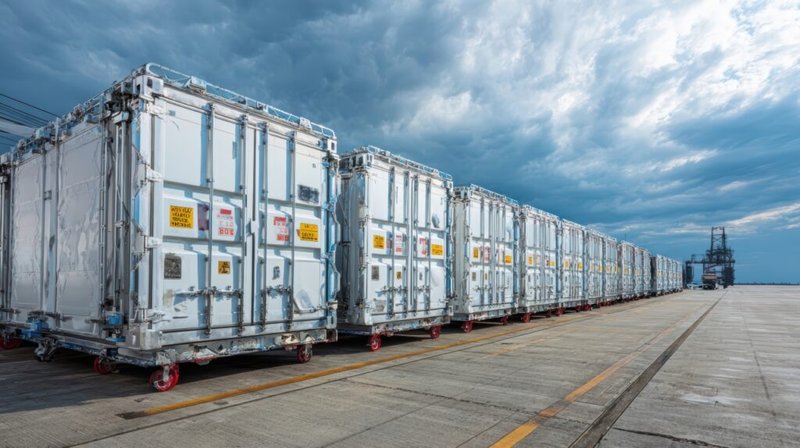
Rail transport of dangerous goods
After transfer to the railway, the rules for the transport of dangerous goods by rail come into force.
Registration of carriage
Key documents:
- CM-160
- Dangerous goods declaration (SMGS)
- flashcard
The following must be indicated:
- hazard
- UN
- carriage
Rolling stock requirements
Used:
- fittings
- fixation
In case of shortage, container handling and the use of alternative solutions are possible.
Composition formation and transportation
Containers are included in the composition according to strict rules:
- Compatibility of dangerous goods
- avoiding contact with flammable substances
- stacking control of dangerous goods
Each stage is accompanied by verification of documents and cargo status.
Features of transportation on the Trans-Siberian
The Trans-Siberian Railway (Eastern polygon) imposes additional restrictions.
Main factors
- bandwidth
- platform
- transshipment
- freight imbalance
For dangerous goods, this means longer deadlines and the need for additional controls.
What affects the timing and cost
In practice, the delivery time of dangerous goods is formed under the influence of several factors:
- terminal overflow
- Additional inspections at all stages
- route restrictions
- seasonality
At the same time, the correct organization of the process allows you to achieve:
- reduction of transit time
- optimization of transportation costs
Time of delivery
Average time after customs clearance:
- 14-25 days - When using specialized platforms
- 30 days - complex routes and overloads
Completion of carriage and delivery
The final stage shall include:
- sealing
- marking
- reconciliation
If damage is detected, an act is drawn up with the participation of the carrier and experts.
Key papers by phase
Transport by sea:
Bill of Lading (Dangerous Goods), IMDG Declaration, MSDS
Customs:
declaration, invoice, certificates
Port:
Acts of storage, accounting journal
Railroad:
CM-160 consignment note, SMGS declaration
Road transport:
ADR documents, licenses, route
Transport of dangerous goods - It is a complex process involving international rules, national standards and multiple actors.
It is a systematic approach that allows not only to ensure security, but also to reduce time and costs in the supply chain.