Dangerous Goods: Which Goods Are DG and Why Even a Soccer Ball Can Be Restricted
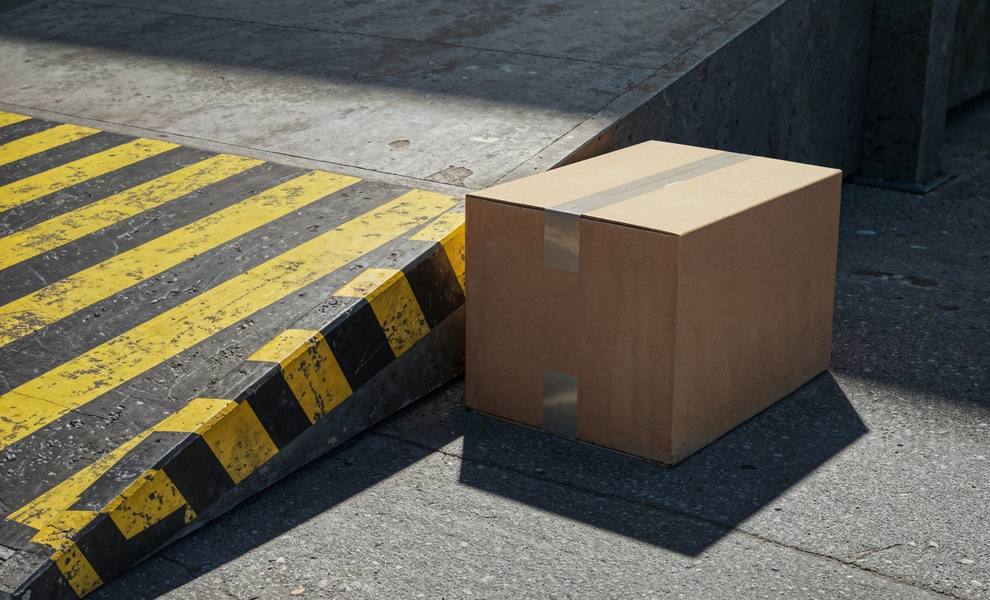
Dangerous goods are any goods or substances that may cause harm during transport, storage or handling.
Many entrepreneurs believe that dangerous goods are only chemicals, gasoline or explosives. However, in practice, the list of such products is much wider. Moreover, some familiar goods may fall under the restrictions of international transportation, aviation logistics or warehouse storage.
Why is aerosol considered dangerous goods? How dangerous can a football be? What are the requirements for the transportation of such goods? And why is it that ignorance of these rules can lead to fines, delays, or denial of transportation?
Let's take a closer look.
What is dangerous goods
Dangerous goods are any goods or substances that, during transport, storage or handling, may cause harm to:
- people;
- environment;
- transport;
- infrastructure;
- other goods.
International rules for the carriage of dangerous goods are governed by agreements:
- ADR (road transport);
- IMDG (Maritime Transportation);
- IATA DGR (air transportation);
- RID (Rail Transportation).
A single classification system for dangerous goods is used worldwide.
Main classes of dangerous goods
Class 1. Explosives
This category includes:
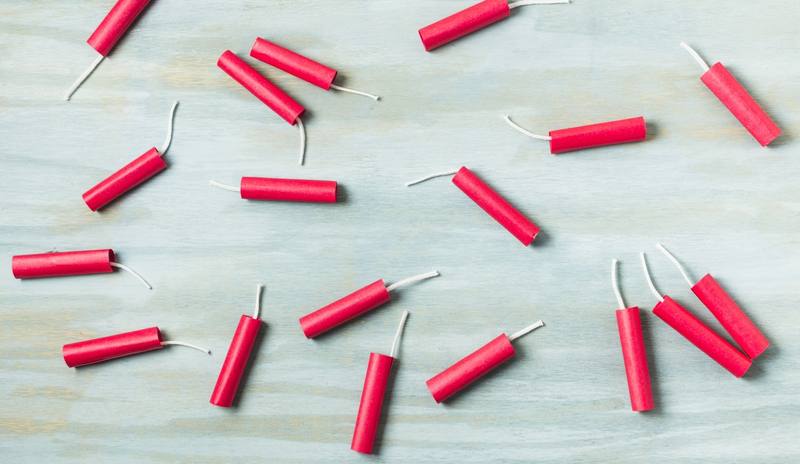
- pyrotechnics;
- fireworks;
- ammunition;
- Some types of industrial explosives.
Even small volumes require special transportation conditions.
Class 2. gases
This includes:
- propane
- butane
- oxygen;
- carbon dioxide;
- aerosol cylinders.
Many household goods fall into this category.
For example:
- deodorants;
- air fresheners;
- foaming;
- spray paint.
Class 3. Flammable liquids
The most common category is:
- petrol;
- diesel fuel;
- solvents;
- alcohols;
- varnishes
- paint.
Such cargoes require special fire safety measures.
Class 4. Flammable solids
This group may include:
- sulfur
- certain types of coal;
- Magnesium powders;
- substances capable of spontaneous combustion.
Class 5. Oxidizing substances
These include:
- hydrogen peroxide;
- nitrates;
- chemical agents.
They can increase the burning of other materials.
Class 6. Toxic substances
Includes:
- pesticides;
- certain types of fertilizers;
- Poisonous chemicals;
- Medicines with high toxicity.
Class 7. Radioactive materials
Used in:
- medicine;
- scientific research;
- energy.
The most stringent requirements apply to their transportation.
Class 8. Corrosive substances
These include:
- acids;
- alkalis;
- some cleaning products;
- battery electrolyte.
Such substances can damage packaging and equipment.
Class 9. Other dangerous goods
The most interesting and often underestimated category.
It includes:
- lithium batteries;
- electric scooters;
- power banks;
- magnets;
- dry ice;
- certain types of equipment;
- pressure inflatables.
This is where the most unexpected cases arise.
Why a football can be considered dangerous goods
At first glance, a football looks like a safe commodity.
However, many professional balls are carried inflated condition or contain pressure air inside.
When air travel changes in pressure can lead to:
- deformation of the product;
- damage to the packaging;
- risks to other goods.
Therefore, some airlines require to carry balls in deflated form.
This is especially true for large sports equipment.
What products are most often mistaken for ordinary
In practice, problems arise with products that look harmless.
For example:
- lithium batteries;
- smartphones;
- laptops;
- electric bicycles;
- electric scooters;
- aerosol cosmetics;
- fragrance candles;
- paints;
- alcohol-based antiseptics;
- sports equipment under pressure.
Many marketplaces and transport companies require a separate declaration of such goods.
Why the topic has become especially relevant for marketplaces
The growth of e-commerce has led to a sharp increase in the transportation of goods with batteries.
Almost every day, logistics companies transport:
- smartphones;
- tablets;
- headphones;
- clock;
- electric scooters;
- Power banks.
Lithium batteries are considered one of the most common causes of fires during transportation.
Packaging requirements are constantly tightening.
What Happens When Declaring Wrongly
Some suppliers try to ship dangerous goods like regular goods.
The consequences can be serious:
- delay at customs;
- confiscation;
- fines;
- refusal of the insurance company in payments;
- prohibition of transportation by the logistics operator.
Violations are particularly tightly controlled in international traffic.
How to determine if a product is dangerous
Before sending products, it is necessary to check:
- Goods Safety Passport (MSDS/SDS)
- Presence of lithium batteries.
- Pressure gas content.
- The presence of flammable components.
- Carrier's claims.
If in doubt, it is better to consult a logistics operator or a dangerous goods specialist in advance.
What is important to consider importers from China
For Russian companies working with China, the topic of dangerous goods is especially relevant.
Many of the products that are purchased in China are DG (Dangerous Goods):
- electronics;
- batteries;
- household appliances;
- LED equipment;
- cosmetics;
- sports equipment;
- chemical products.
Incorrectly executed cargo can linger at the border for weeks or even months.
Therefore, the competent classification of goods becomes not a formality, but an important part of the logistics strategy.
Dangerous cargo is not always a tank with gasoline or a container with chemicals. In modern supply chains, this category can include smartphones, batteries, aerosols, cosmetics, sports equipment and even soccer balls.
For businesses, understanding the rules for the transportation of dangerous goods becomes a must-have element of efficient logistics. Classification errors can lead to financial losses, delivery delays and problems with carriers.
The sooner the company learns to correctly determine the status of its products, the more stable and safer its supply will be.