Transportation of animals to and from China
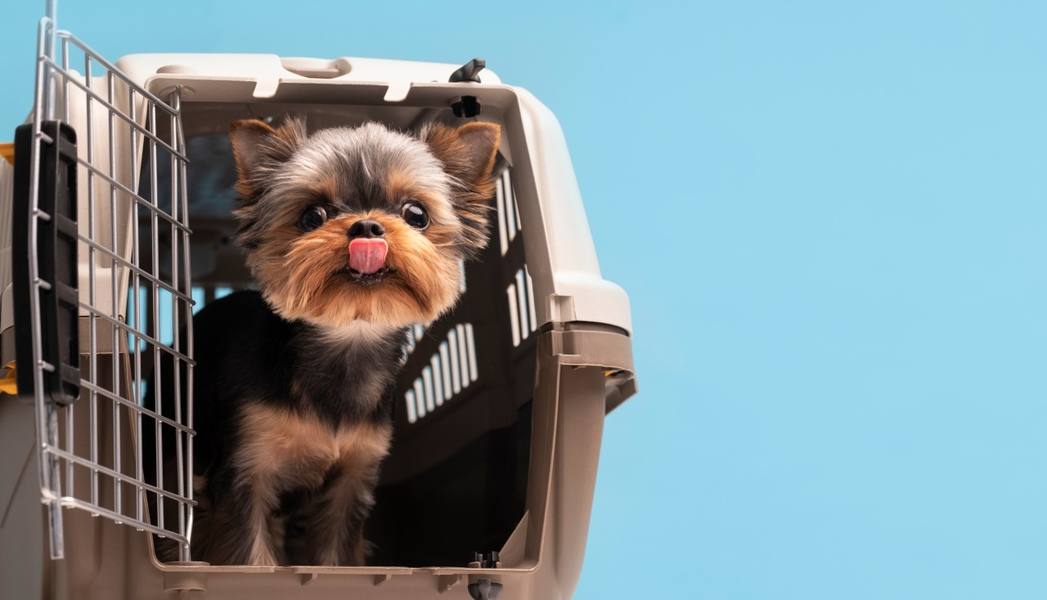
Transporting animals to and from China is a process that requires attention to detail and a multitude of international regulations.
Transportation of animals between countries is a process that requires careful planning, compliance with international regulations and the implementation of many formalities. China has strict laws regarding the import and export of animals, and it is important to follow the established requirements to avoid problems. In this article, we look at the key points of transporting animals to and from China, including requirements, transportation conditions, documents and approximate costs.
Preparation for transportation: basic requirements
The transportation of animals to China is regulated by a number of rules and procedures. The most common animal species transported are cats and dogs. Here are the main points to consider when preparing:
- Vaccination and veterinary documents
China requires animals to be vaccinated against rabies no later than 30 days before travel, but no earlier than 12 months before. The veterinary certificate must be issued no later than 5 days before departure and include information on vaccination, animal health, as well as contact details of the owner.
Mandatory documents for carriage:
- International veterinary certificate (Form 1 or 5a).
- Veterinary passport with vaccination marks.
- Microchip (ISO 11784/11785) for animal identification. This is a mandatory requirement to enter China.
- Quarantine requirements
When entering China, the animals are subject to quarantine for 7 to 30 days, depending on the province and city of arrival. This is an important step, as non-compliance can lead to additional delays or even the return of the animal to the country of departure.
Major cities such as Beijing and Shanghai have stricter regulations and require mandatory quarantine. While in some other cities (e.g. Guangzhou) quarantine may be less if all the necessary documents are available.
Transportation: types and conditions of transportation
- Air transportation
The most common way to transport animals to China is by air. It is divided into two types:
- Carriage in the cabin: available for small animals (up to 8 kg with carrying). It is important to check with the airlines their requirements, as the rules may differ.
- Cargo bay transportation: for larger animals. In this case, an important role is played by the correct selection of the carrier and providing comfortable conditions for the animal.
- Airline Rules
Each airline has its own rules for the transportation of animals. For example:
- Aeroflot: the cost of transportation depends on the weight of the animal and the direction, usually varies from 75 to 150 euros.
- Air China: allows transportation of animals in the cargo hold and in the cabin, subject to weight restrictions.
It is important to book an animal seat in advance, as airlines limit the number of pets carried on a single flight.
- Preparation of transport
Carrying for the animal should be comfortable, spacious enough for its movement, meet the standards of IATA (International Air Transport Association). It should provide air circulation and be safe for the pet throughout the flight.
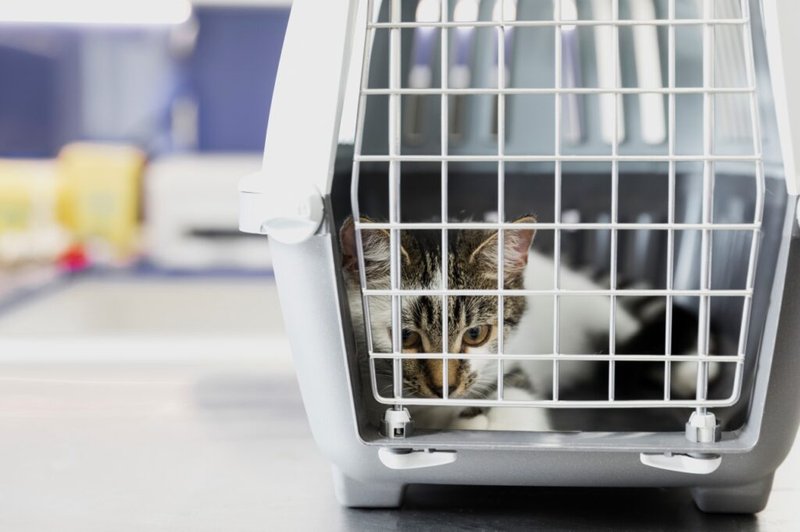
The process of importing and exporting animals from China
- Importing animals to China
Upon arrival in China, quarantine officers check documents including veterinary certificates, passports and confirmation of vaccination. The animal is placed in a quarantine center, where it is closely monitored. At this stage, testing is carried out for diseases dangerous to humans and animals.
- Export of animals from China
The process of taking animals back also requires strict rules. It is necessary:
Re-vaccinate against rabies and obtain a veterinary certificate.
Make sure that the documents are drawn up in accordance with the requirements of the country to which export is planned.
Each country has its own import rules, so it is important to clarify the requirements in advance. For example, EU or US countries may require additional procedures, such as testing or re-vaccination.
The cost of transporting animals in China and back
The approximate costs of transporting animals may include:
- Registration of a veterinary certificate: about 1500-3000 rubles.
- Vaccination against rabies: 1000-3,000 rubles.
- Carriage by airline: an average of 75 to 300 euros, depending on the weight of the animal and the route.
- Quarantine fees in China: from 100 to 500 US dollars for the time the animal is in the quarantine center.
- Logistics companies: Many companies offer animal transportation and documentation assistance. Their cost varies from 200 to 1000 dollars depending on the services.
Advice and recommendations
- Begin preparations in advance: Gathering documents, vaccinating and booking airline tickets take time. It is necessary to start preparation 2-3 months before the planned trip.
- Check the airline’s rules: The rules for transportation of animals may vary, so check with the carrier before booking.
- Watch the condition of the animal: Make sure the animal is healthy and ready to fly. Talk to your veterinarian for advice on feeding and care before traveling.
- Use the services of professionals: If you are not confident in your abilities or do not want to take risks, there are many companies that are engaged in the transportation of animals and the processing of all necessary documents.
Transportation of animals to and from China is a process that requires attention to detail and compliance with many international regulations. Compliance with all documentation, vaccination and quarantine requirements, as well as proper logistics, will help you ensure a safe and comfortable journey for your pet.