Warehouse in China: how to reduce costs and take control of logistics
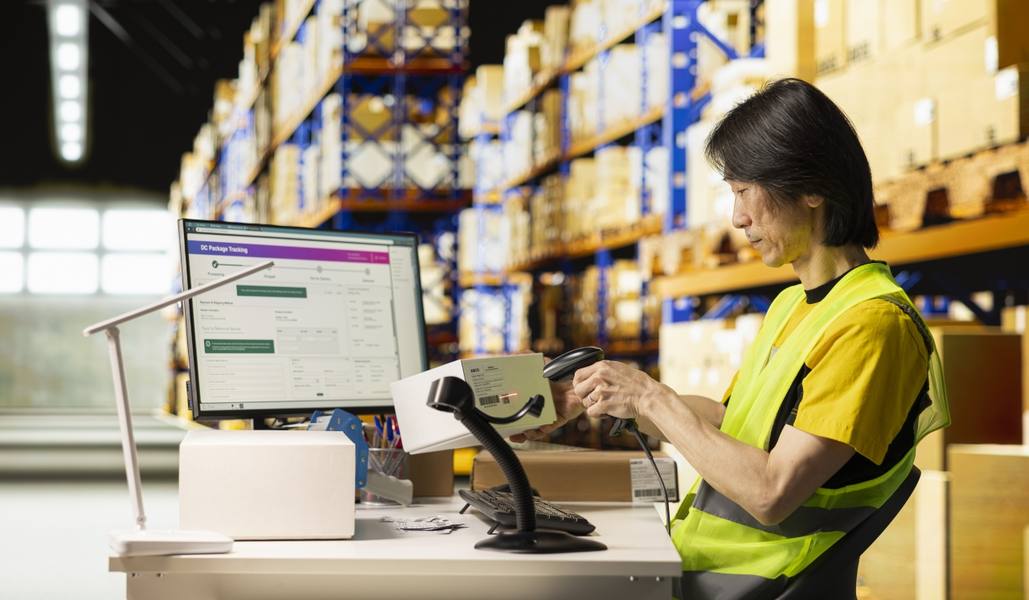
Own warehouse in China is not a mandatory stage, but a strategic tool
Работа с Китаем давно перестала ограничиваться поиском поставщика и организацией доставки. Компании, которые выходят на стабильные объемы, сталкиваются с необходимостью контроля — качества, сроков и логистики.
Именно в этот момент появляется вопрос: нужен ли собственный склад в Китае?
Для одних это избыточный шаг, для других — ключевой элемент масштабирования бизнеса.
Когда бизнесу действительно нужен склад в Китае
Не каждой компании имеет смысл открывать собственную инфраструктуру.
Решение становится оправданным, если:
- есть регулярные поставки и стабильные объемы;
- работаете с несколькими поставщиками;
- требуется консолидация грузов;
- важен контроль качества перед отправкой;
- есть задачи по ускорению логистики.
Если бизнес уже перешел от разовых закупок к системной работе, склад становится не расходом, а инструментом управления.
Какие задачи решает склад в Китае
Склад — это не просто место хранения. Это логистический центр, который закрывает сразу несколько критичных задач.
Консолидация грузов
Одна из ключевых функций — объединение товаров от разных поставщиков.
Это позволяет:
- снизить стоимость доставки;
- оптимизировать загрузку контейнеров;
- избежать частичных отправок.
Контроль качества
Без локального присутствия контроль качества часто формальный.
Склад дает возможность:
- проверять товар до отгрузки;
- выявлять брак на месте;
- возвращать или дорабатывать продукцию.
Это снижает риски уже на этапе производства, а не после прибытия.
Управление сроками
Когда товар сразу отправляется от поставщика, бизнес зависит от его скорости.
Склад позволяет:
- аккумулировать товар;
- планировать отправки;
- формировать партии под конкретные задачи.
Упаковка и доработка
Дополнительный функционал:
- переупаковка;
- маркировка;
- комплектация заказов;
- подготовка под требования маркетплейсов или таможни.
Форматы складов в Китае
Есть несколько моделей, которые используют компании.
Собственный склад
Полный контроль, но и максимальные затраты:
- аренда;
- персонал;
- управление процессами.
Подходит для крупных объемов.
Склад через партнера
Наиболее распространенный вариант.
Компания получает:
- доступ к инфраструктуре;
- услуги хранения и обработки;
- снижение операционных затрат.
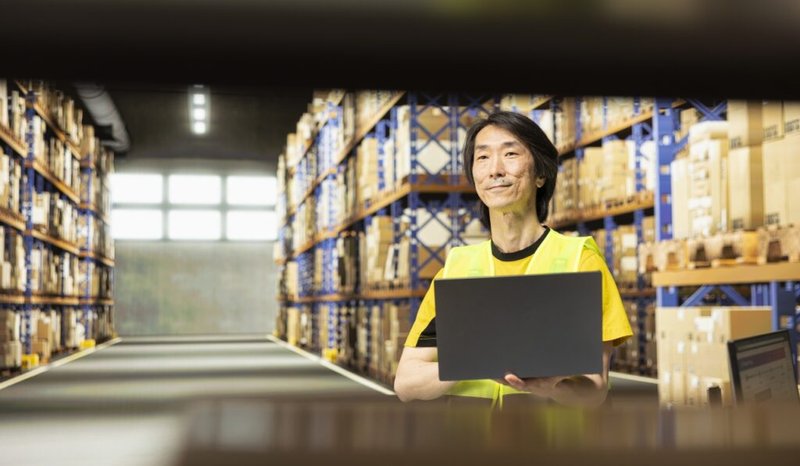
3PL-операторы
Логистические компании, которые берут на себя весь процесс:
- хранение;
- обработку;
- отправку.
Это гибкое решение для среднего бизнеса.
Основные сложности
Открытие склада в Китае связано не только с преимуществами.
Управление на расстоянии
Без локальной команды контроль становится сложнее.
Юридические и организационные вопросы
- регистрация бизнеса;
- договоры аренды;
- взаимодействие с местными контрагентами.
Контроль персонала
Качество работы напрямую зависит от людей на месте.
Как снизить риски
Чтобы склад стал инструментом роста, а не проблемой, важно:
- четко прописать процессы;
- внедрить систему контроля;
- работать с проверенными партнерами;
- регулярно проверять операции.
Экономика: где бизнес выигрывает
Правильно выстроенный склад позволяет:
- снизить транспортные расходы;
- уменьшить процент брака;
- ускорить оборачиваемость товара;
- повысить предсказуемость поставок.
В долгосрочной перспективе это дает более стабильную маржинальность.
Собственный склад в Китае — это не обязательный этап, а стратегический инструмент.
Он становится актуальным, когда бизнесу нужен контроль, масштаб и системность.
Компании, которые внедряют такие решения, перестают зависеть от случайных факторов и начинают управлять своей логистикой на уровне процессов.
Читайте также про китайские логистические сервисы: китайские логистические сервисы.