Talk to Chinese Factories to Take You Seriously
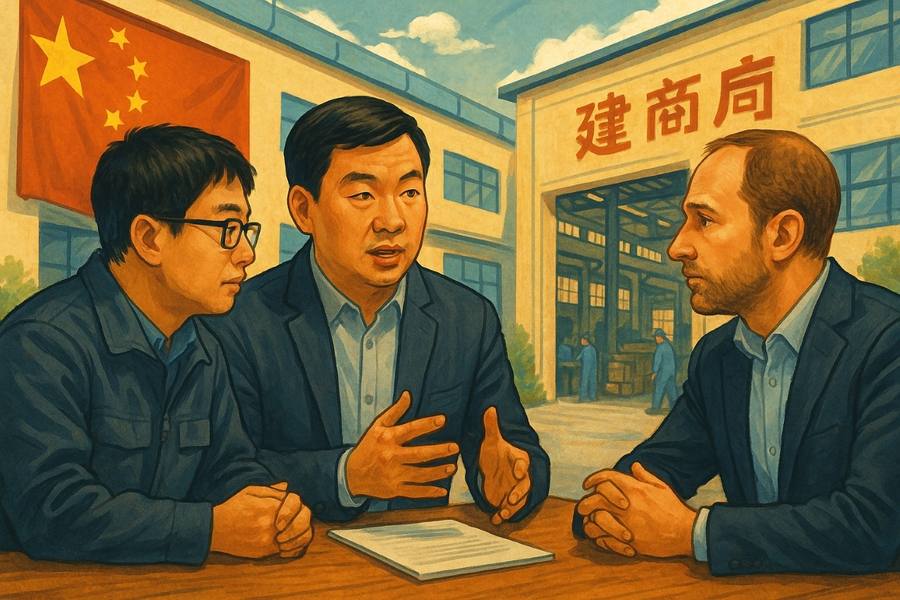
It is important to understand that China is not only a country of manufacturing, but also a country of business opportunities, if you approach cooperation with wisdom and respect.
Negotiations with Chinese factories It is an important stage for businessmen and entrepreneurs who want to establish sustainable and mutually beneficial cooperation. China remains one of the world’s largest producers and suppliers of goods, and it is important to understand the specifics of negotiations with Chinese partners to be sure of the outcome and avoid misunderstandings. In this article, we will look at the key aspects that will help you conduct successful negotiations with Chinese factories.
Understanding Chinese Business Culture
The Importance of Relationships (Guangxi)
One of the most important aspects of Chinese business culture is the concept of Guangxi ().). This word translates as “connections” or “relations” and describes a system of mutual commitment and trust. It is important for Chinese factories to have long-term, stable and mutually beneficial relationships. This means that when entering into negotiations, it is important not only to offer favorable conditions, but also to demonstrate your willingness to cooperate in the future.
Respect and courtesy
The Chinese culture of business negotiation values respect and courtesy. Observing the rules of etiquette, such as greeting with a bow, accuracy in clothes and manners, can significantly improve your chances of successful cooperation.
Flatter remarks and caution with criticism
Direct criticism can be perceived as an insult. The Chinese appreciate constructive criticism, but avoid harsh language. It is best to start the conversation with positive points and avoid open condemnation.
Preparations for negotiations
Factory research
Before you start negotiations, you need to carefully research the factory you are going to work with. Make sure that it has a good reputation, meets international quality standards and has experience working with foreign companies.
Use all available resources to collect information:
- Internet to learn about the reputation of the factory and read reviews.
- Business contacts and recommendations from other entrepreneurs.
- Visit to the factory for a personal inspection of its capacity.
Preparation of a detailed request
In China, it is important to present specific, clear requirements and requests. Blurred or vague descriptions of what you need can lead to misunderstandings and delays. Prepare a detailed description of your product, its characteristics, quantity and delivery time. Indicate all important details such as materials, dimensions, packaging, etc.
Understand your budget and expectations
A clear understanding of your financial capabilities will help you to be realistic in negotiations and avoid unnecessary costs. A direct indication of your budget will allow Chinese factories to orient themselves more quickly in possible options and proposals.

Negotiation strategy
Establishment of confidence
For Chinese businessmen, trust is the foundation of relationships. In doing so, it is important not only to provide your information, but also to take an interest in their factory by asking questions and learning about their technologies and processes. In the first stages of negotiations, it is especially important to demonstrate your interest in long-term partnership rather than short-term benefits.
Negotiation initiative
Don't be afraid to take the initiative. Chinese factories often expect a partner to be active and involved in the discussion process. Be proactive in discussing details, but be open to suggestions and compromises.
The importance of patience
Negotiations with Chinese partners can take time. The culture of Chinese negotiations requires patience and perseverance. The result may not be achieved instantly and you will need time to resolve the issues as well as analyze the proposals.
Discussion of payment terms and delivery times
Chinese factories often operate with minimal margins, and it is important for them that payment terms are beneficial for both parties. Discuss payment terms, delivery methods and terms, as well as possible discounts for large volumes.
Use of intermediaries
If you are unsure of your abilities or language, hire an experienced mediator or consultant. It can be a translator or a specialist in the Chinese market, who will help you to establish communication and speed up the process.
Expectations and principles of Chinese factories
Product quality
Quality is one of the most important aspects of Chinese factories. However, it is important to understand that Chinese factories often operate to specified quality standards, and they may not comply with international standards unless asked to do so directly. Therefore, you should clearly define the quality requirements at all stages of the negotiations.
Contractual arrangements
Contracts with Chinese factories may differ from European standards. They can be more flexible in terms of terms and conditions, but it is important to carefully analyze all the details to avoid misunderstandings. Consult a lawyer to ensure that the contract is drafted correctly, taking into account all local peculiarities.
Quality of service
The attitude of Chinese factories to service may vary depending on their experience with international customers. Some factories may offer high-end service, while others will be more focused on mass production.
Product line and innovation
In China, innovation is often the backbone of factory growth. Many Chinese factories are actively developing new technologies and offering products that can meet the demands of foreign markets. Make sure you keep a close eye on new offerings and be prepared to discuss innovation.
Negotiating with Chinese factories It is an art that requires patience, careful preparation and the ability to build trusting relationships. Understanding Chinese culture, attentiveness to detail and active negotiation process will help you achieve successful cooperation. It is important to understand that China is not only a country of manufacturing, but also a country of business opportunities, if you approach cooperation with wisdom and respect.
By following these principles, you can significantly increase your chances of successful negotiations with Chinese partners and create strong business relationships that will benefit your business.