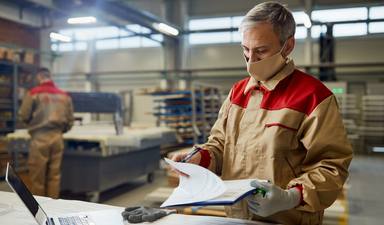
Purchase of equipment and materials at the start of production
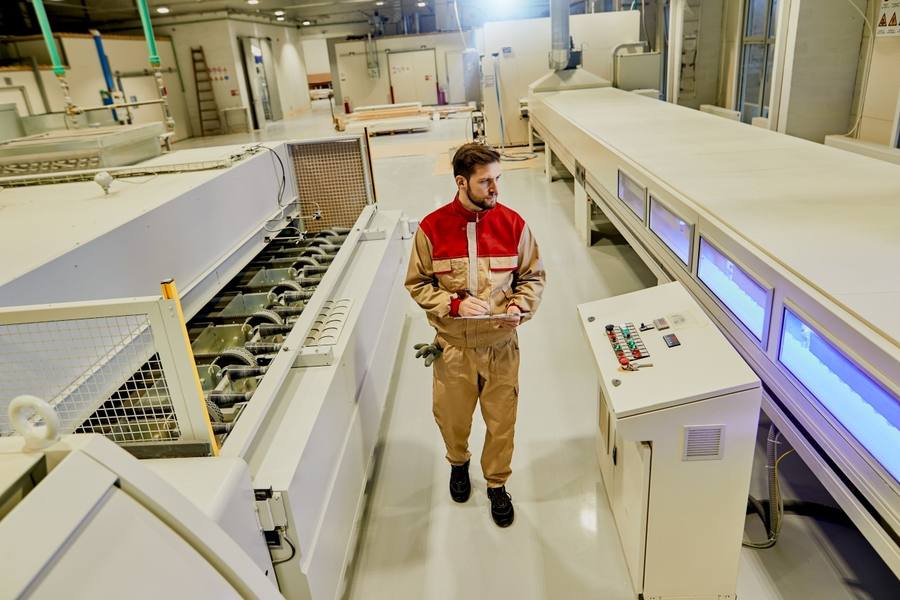
One of the most important stages is the purchase of equipment and materials, since the quality of the final product and the efficiency of the production process depend on them.
Starting a new production requires careful preparation and analysis. One of the most important stages is the purchase of equipment and materials, since the quality of the final product and the efficiency of the production process depend on them. Below we look at the key stages of this process: from market analysis and supplier selection to supply control and equipment installation.
Stage 1: Market analysis and definition of requirements
At the initial stage, it is necessary to:
- Hold out market analysis To understand the available offers and modern technologies.
- Determine characteristics, such as product type, output volumes and production tasks.
- Formulate technical requirements equipment and materials, taking into account quality standards and product features.
Clear analysis helps to choose the optimal models of equipment and high-quality materials that correspond to the specifics of production and the budget of the enterprise.
Stage 2: Finding and selecting suppliers
This stage determines the quality and reliability of future equipment and materials and includes the following actions:
- Compilation of a list of potential suppliers Based on reputation, market experience and customer feedback.
- Comparison of proposals suppliers: analysis of prices, technical characteristics, delivery conditions and guarantees.
- Assessment of production capacity suppliers to Make sure they can deliver the right amount on time.
Stage 3: Documentation and procurement
The procurement process includes the execution of all necessary documents:
- Specification of equipment and materials: a document indicating the quantity, technical parameters and qualitative characteristics of the purchased goods.
- Technical specification (TK): Detailed requirements for equipment and delivery conditions (terms, payment, guarantees).
- Conclusion of a contract with the selected supplier, including the rights and obligations of the parties, the conditions for replacement or repair of equipment in case of defects.
After the conclusion of the contract and receipt of goods, it is important to reception to check compliance with technical characteristics and the presence of defects.
Stage 4: Supply control and management
At the stage of supply control and management, the company:
- Lead. receipts and shipments equipment and materials.
- Organizes inventory warehouses to optimize logistics processes.
- Creates an efficient logistics system for timely delivery of materials to production sites.
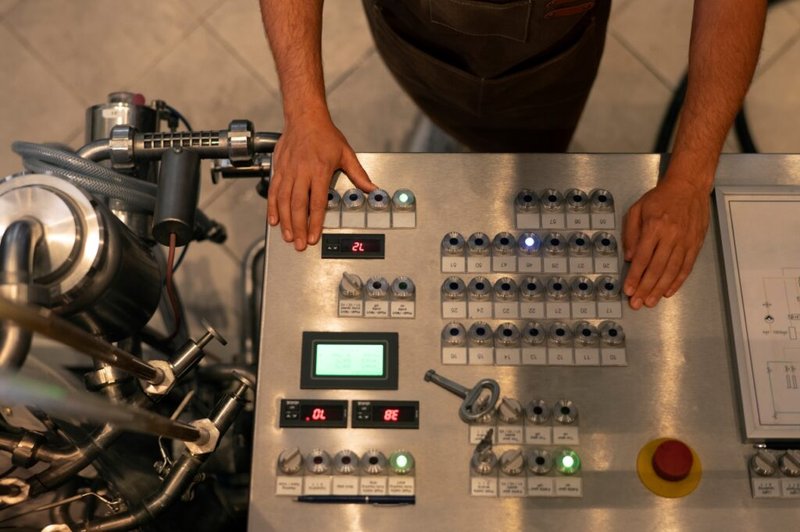
Stage 5: Installation and testing of equipment
Before installation, it is necessary to prepare the working space:
- To carry out preparatory work: installation of electrical systems, ventilation and communications.
- Determine the location of equipment in accordance with the production processes.
When installing, it is important to follow the manufacturer's instructions, connect the equipment to the necessary systems and conduct tests to check its operability. The final stage of testing is the launch of equipment with the production of a test sample, which allows you to ensure the correct configuration and quality of work.
Starting production requires careful preparation at every stage, from the selection of suppliers to the installation of equipment. An integrated approach to procurement and supply control helps to minimize risks and create conditions for the successful operation of the factory, ensuring the production of quality products and optimization of production processes.