Matrice production: a key stage in product creation
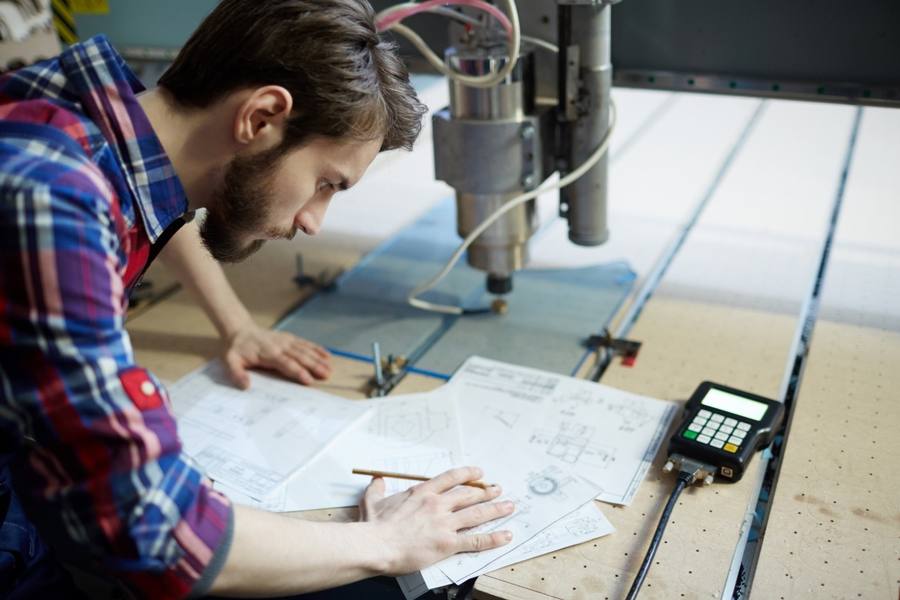
Despite the pitfalls, matrix manufacturing remains a key tool for scaling a business and creating a unique product.
The source of production of any commodity is the matrix. It is with its help that the appearance of the product, its parameters and the number in the batch are formed. Without a matrix, it is impossible to organize serial production, because it sets the key characteristics of the product.
China is the world’s largest producer and exporter of precision matrices, making it one of the main players in industrial production. In this article, we will discuss in detail:
- What are matrices and why are they needed?
- What are the benefits of using them?
- Why are large and medium-sized businesses increasingly choosing to produce their own matrices?
- What are the pitfalls in Chinese business?
What are matrices and why are they needed?
- Definition of the matrix
Matrix A mold or mold that is used for mass production. It creates exact copies of the product, ensuring high repeatability, quality and lower production costs.
Matrixes are used in various fields:
- Plastic casting (toys, packaging, car parts).
- Metalworking (locks, keys, fasteners).
- The glass and ceramic industry.
- Production of rubber and silicone products.
- Example of matrix use
Let’s say an entrepreneur wants to make locks. If you order them directly from the factory:
- The price of each lock will be high.
- The plant will offer production only in large batches.
An alternative solution is to develop your own matrix. The business owner may:
Set the necessary parameters (color, size, quantity).
Set a lower price per unit of goods.
Order production in China, minimizing costs.
One matrix is capable of producing from 100 to 100,000 units of production, which makes it economically viable.
The main advantages of producing your own matrix
- Improved quality and technology
Every year the technology of casting and molds is improved. Modern matrices allow to achieve:
- High precision.
- Minimizing marriage.
- Improved quality of materials.
- Cost savings
Using its own matrix allows you to reduce the cost of production, because:
- Exclusion of the manufacturer for the use of its forms.
- There is no overpayment for a unique design (if the product is produced on a standard factory matrix, the price is higher).
- Full control of production
Creating a matrix, the customer gets full control over the release of their products. It may regulate:
- Number of parties.
- Design and materials options.
- Location of production (transfer to other plants).
- Protection of intellectual property
The Chinese market is known for the fact that copying goods is a common practice. Using your own matrix allows you to avoid counterfeiting and maintain the exclusiveness of products.
The business may require the plant not to use its matrix for other customers.
If a copy of the product appears on the market, the owner of the matrix can prove his authorship.
Pitfalls of Chinese production and overpayment for goods
Many entrepreneurs face a number of hidden costs when ordering products in China. Consider the main pitfalls.
- Manufacturers put the value of the matrix in the cost of goods
Factories usually do not inform the customer that the cost of the matrix is already included in the product price. This means that the buyer overpays twice:
- For goods – where part of the price covers the production of the form.
- For using someone else's matrix - which remains with the manufacturer and can be used for third-party orders.
Decision:
Ordering your own matrix allows you to avoid this overpayment and reduce the cost of production in the long term.
- Using the same matrix for other customers
Many Chinese factories use the same molds to produce goods under different brands. This means that your product may not be unique.
Decision:
Negotiate terms with the plant and prescribe in the contract a ban on the use of your matrix for third-party customers.
- Quality and durability of matrices
Not all Chinese factories make durable matrices. Sometimes manufacturers use cheaper materials, reducing the life of the mold.
Decision:
- Check materials before ordering.
- Control the production process of the matrix.
- Work with trusted suppliers.
For whom is it profitable to produce your own matrix?
Medium and large businesses
- Companies that want to control the uniqueness of their products.
- Brands looking to reduce the cost of mass production.
- Manufacturers who need to protect their intellectual property.
Small business
- Entrepreneurs willing to invest in a long-term strategy.
- Companies planning mass production of a unique product.
Important:
Matrix production requires initial investment, but pays off in the serial production of products.
How to order the production of the matrix?
- Preparation of the technical specification
Before ordering it is necessary to provide:
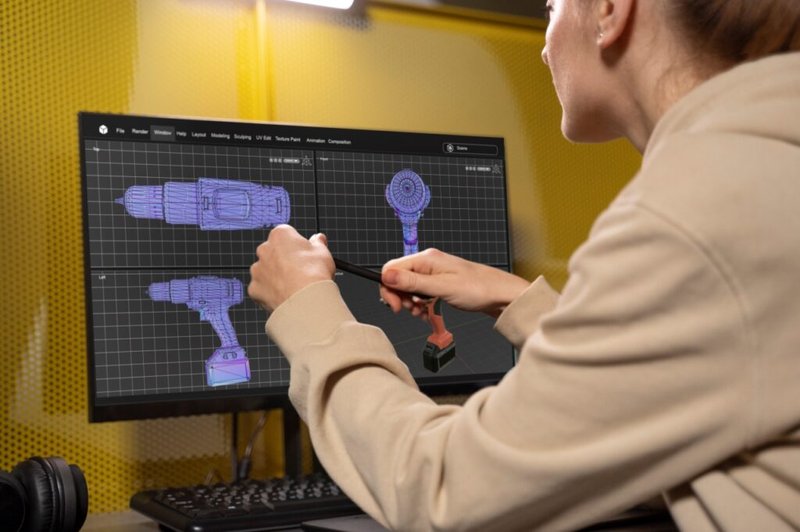
Drawings or a 3D model.
Material selection.
The expected number of products produced.
- Manufacturer search and selection
It is better to choose plants with a good reputation, working with international customers.
Popular places to search:
- Alibaba is the largest B2B platform.
- 1688 – Chinese B2B platform (prices are lower, but you need help from intermediaries).
- Made-in-China are professional manufacturers with experience.
- Control of production
It is important to make sure that the plant meets the following requirements:
- Material quality.
- Precision of manufacture.
- Timing of production.
- Testing and launching into a series
Before mass production, a test batch is carried out to make sure that the matrix works correctly.
Matrix production is a strategically important solution that allows:
Save on the cost of the goods.
Control the quality and output of products.
Eliminate fakes and protect authorship.
Despite the pitfalls, matrix manufacturing remains a key tool for scaling a business and creating a unique product.