The Heart of Africa: How Ethiopia is Building the Future

Ethiopia is known for its agriculture, growing industry and strategic development plans.
Ethiopia, located in eastern Africa, is one of the fastest growing economies on the continent. With a rich historical heritage and diverse natural resources, the country occupies an important place on the economic map of the world. Ethiopia is known for its agriculture, growing industry and strategic development plans.
Main sectors of the economy
Ethiopia's economy is divided into three key sectors:
- Agriculture: It accounts for about 34% of total GDP and provides employment for more than 80% of the population.
- Industrial production: 28% of GDP includes textiles, construction and processing of agricultural products.
- Services sector: About 38% of total GDP includes financial services, tourism and information technology.
- Agriculture
Agriculture plays a central role in Ethiopia's economy. The country is known for its high-quality agricultural products, including:
- Coffee: Ethiopia is the birthplace of coffee and the largest producer in Africa. Coffee accounts for a significant share of exports.
- Grain crops: wheat, corn and barley provide food security for the country.
- Sugar and oils: growing production directed both to the domestic market and to exports.
- Industrial production
Ethiopia's industrial sector is booming. Key areas include:
- Textiles and Apparel: With low labor costs and government support, the country is becoming increasingly attractive to international brands.
- Food processing: involves processing local agricultural products, which creates added value.
- Construction: Public investment in infrastructure contributes to the growth of the industry.
- Mining
Ethiopia also has significant mineral reserves, including gold, nickel, copper and precious stones. Mining is gradually becoming an important part of the economy, which provides additional revenues to the budget.
Exports and Imports: Major Goods and Partners
Ethiopia actively participates in international trade, playing a significant role as an exporter and importer.
Exports
Ethiopia's export basket consists mainly of agricultural and domestically produced goods. In 2023, exports amounted to more than 5 billion US dollars. Main exports:
- Coffee is the largest export commodity, with a significant share going to the US and the European Union.
- Textiles and Clothing: With growing production volumes, Ethiopia is attracting international customers.
- Agricultural products: various types of grains and oils, especially soybeans and sunflower oil.
import
Imported goods include:
- Machinery and equipment: Ethiopia imports industrial machinery, electronics and transportation equipment, mainly from China and India.
- Petroleum products: The country depends on imports of petroleum products to meet the needs of the domestic market.
- Chemical products: fertilizers, plastics and pharmaceuticals.
Balance of trade
Ethiopia’s trade balance remains negative due to high imports. However, the government is making efforts to increase exports and reduce dependence on imported goods.

Major export producers
Some of the leading companies contributing to Ethiopia's export activities are:
- Ethiopian Coffee Exporters Association: It is the largest association representing coffee producers and exporters.
- Ethiopian Airlines: Although it is an airline, it plays an important role in export logistics, delivering goods around the world.
- Pyramid Mills: One of the leading manufacturers of textiles, which actively exports its products.
Logistics and transport infrastructure
Ethiopia's transport infrastructure plays a key role in maintaining foreign economic relations and ensuring the delivery of goods to international markets.
- Seaports
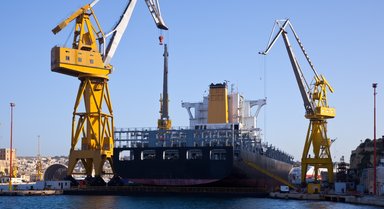
As a landlocked country, Ethiopia depends on the ports of neighboring countries such as Djibouti. The port of Djibouti is key to Ethiopia's foreign trade, providing access to world markets.
- Railways
Ethiopia's rail network is also developing, with new projects such as the Addis Ababa-Djibouti line improving freight transportation.
- Highways
The road network covers the whole country, providing domestic transportation of goods. However, the quality of roads varies, which sometimes makes transportation difficult.
- Air transport
Major cities such as Addis Ababa have international airports that support the transportation of goods and passengers. This is important for the development of trade and tourism.
Ethiopia is a country with great potential, rich nature and resources. Agriculture, mining and industry form the backbone of the economy, contributing to its growth and development. However, to achieve sustainable economic growth, the country needs to focus on modernizing infrastructure, improving logistics, and addressing social and economic challenges. Ethiopia has the potential to take an important place on the world stage if it can use its resources and opportunities effectively.