Production in the UAE: exports, imports and prospects
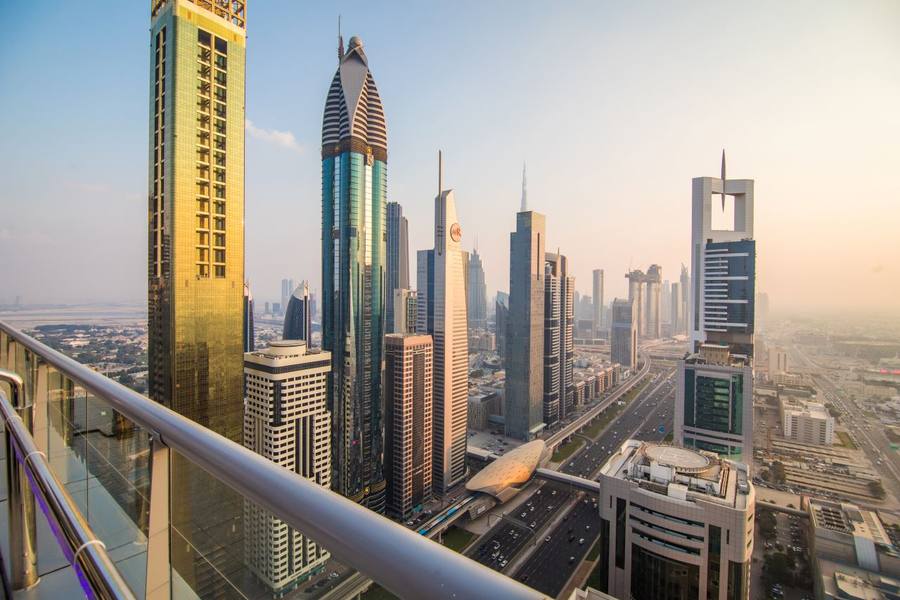
The UAE will remain a key player in the global economy and an important hub for international business and investment.
The United Arab Emirates (UAE) is a dynamic economy with high growth rates and diversification of production. With its strategic location, extensive oil and gas reserves, and innovative projects, the UAE has become an international hub for business and investment.
Major sectors of the UAE economy
- Oil and gas
Historically, the oil and gas sector has been a major driver of the UAE economy. The UAE ranks seventh in the world in oil and gas reserves, and the sector remains one of the country’s largest sources of revenue. The emirate of Abu Dhabi has the largest oil reserves of all the emirates, and its share in world oil production is about 3%.
- Aerospace industry
The aerospace industry in the UAE is actively developing. Companies such as Mubadala Aerospace and Strata have become important players in component manufacturing for major global aircraft manufacturers such as Boeing and Airbus.
- Shipbuilding and ship repair
Dubai and Abu Dhabi have become the leading shipbuilding and ship repair centers in the region. Infrastructure development programs are aimed at increasing the capacity to service large international ships and oil tankers.
- Aluminum industry
One of the world’s largest aluminum producers, Emirates Global Aluminium (EGA), plays an important role in the country’s economy. Aluminum is a key export of the UAE and is competitive in global markets due to its high production standards.
- The pharmaceutical industry
As part of the diversification strategy, the UAE pharmaceutical sector is gaining momentum. The country is developing both production facilities and research centers such as Julphar and Neopharma.
Exports and imports
The UAE economy is one of the most globalized in the world. The UAE is a major player in international markets both in exports and imports of goods.
Main exports: Oil and petroleum products, aluminum, gold, plastic, precious metals and stones. Oil and gas remain major exports, but the share of non-energy goods also continues to grow.
Major importing countries: China, Japan, India, South Korea, Singapore and Thailand. Trade with Europe and Africa has recently increased.
Import: The UAE depends on imports in sectors such as machinery, vehicles, electronics and food. The country actively imports products from China, the United States, Germany and India.
Statistics
- Economic growth: In 2023, the UAE’s GDP was $500 billion, of which oil provided about 30%.
- Foreign direct investment: The UAE attracts significant volumes of investment due to free economic zones and business-friendly policies.
- Balance of trade: The UAE’s foreign trade turnover amounted to $1 trillion in 2023, of which exports exceeded $700 billion.
Major export producers
- Emirates National Oil Company (ENOC) is one of the largest oil producers in the UAE.
- Emirates Global Aluminium (EGA) is the world’s leading aluminum producer.
- Mubadala Investment Company is a diversified investment company that is actively engaged in the production of high-tech products.
- Strata is a key player in aviation components.
Country prospects
The UAE continues to pursue its economic diversification strategy. Key areas of development in the coming years will be:
- Developing a green economy
In response to global climate change, the UAE is investing heavily in renewable energy and sustainable production projects. By 2050, the country plans to meet 50% of its energy needs from renewable sources.
- Industry 4.0 and digitalization
An important role is played by the introduction of advanced technologies such as artificial intelligence (AI), blockchain and automation. These initiatives aim to improve productivity, improve product quality and optimize logistics processes.
- Increasing the number of free economic zones
The UAE Free Zones continue to attract international investors by providing preferential tax regimes and flexible business conditions.
Business prospects
The UAE remains an attractive destination for international business due to the following advantages:
- Tax incentives and free zones
Many companies choose the UAE because of the opportunity to work in free economic zones, where there are no income taxes.
- Favorable geography
Its strategic location at the crossroads of trade routes between Asia, Europe and Africa makes the country an important transport hub.
- Development of infrastructure
The UAE government is investing heavily in infrastructure development as roads, ports, airports and industrial parks continue to grow and attract new businesses.
The UAE’s manufacturing sector, backed by rich resources and a sound diversification strategy, continues to expand and attract global investors. The country is actively developing innovations, infrastructure and a green economy, which opens up wide opportunities for business. The UAE will remain a key player in the global economy and an important hub for international business and investment.