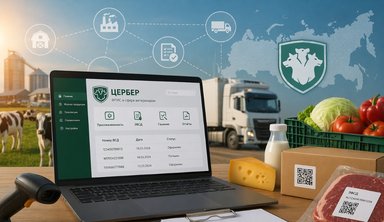
Perishable products: composition, storage and logistics

Skorport is a category where temperature discipline is the main thing.
Скоропортящиеся продукты — это не просто отдельная товарная группа, а целая система мер, правил и технологий, которые работают вместе, чтобы сохранить качество и безопасность еды. Для производителей, складов, перевозчиков и логистических операторов эта категория считается одной из самых сложных: нужно одновременно контролировать температуру, влажность, скорость доставки, упаковку и сроки.
Эта статья разбирает что относится к скоропортящимся товарам, из чего состоит категория, как они хранятся на производстве, что происходит на складах и как строится логистика — от фермы до конечного покупателя.
Что такое скоропортящиеся продукты и какие товары входят в категорию
К скоропортящимся продуктам относят любые товары, у которых короткий срок годности или повышенная чувствительность к отклонению температурного режима, влажности или механическому воздействию.
Основные группы скоропортящихся продуктов
Продукция животного происхождения
- свежее мясо (говядина, свинина, птица);
- субпродукты;
- охлажденное мясо и полуфабрикаты;
- свежее молоко, пастеризованное молоко;
- кисломолочные продукты (кефир, ряженка, йогурт);
- творог и сыры;
- рыба (охлажденная и замороженная);
- морепродукты.
Растительная продукция
- свежие овощи (зелень, томаты, огурцы, салаты);
- свежие фрукты (ягоды, бананы, цитрусы, яблоки);
- ягоды (особенно в охлажденном виде);
- свежевыжатые соки, смузи.
Готовые блюда и полуфабрикаты
- салаты и блюда в гастрономии;
- кулинарные изделия, требующие охлаждения;
- свежие выпечные изделия с кремом.
Замороженные продукты
Да, формально они тоже относятся к скоропортящейся продукции, несмотря на длительный срок хранения:
- замороженные овощи;
- мясо и птица;
- рыба и морепродукты;
- мороженое;
- готовые замороженные блюда.
Продукция с особыми условиями хранения
- яйца;
- охлажденные напитки;
- специализированные продукты питания (например, спортивное питание с молочной основой).
Общий признак: любой продукт, который теряет свойства при отклонении температуры от нормы, автоматически попадает в категорию скоропортящихся.
Особенности и требования хранения у производителей
На производстве требования к скоропортящейся продукции самые строгие — именно здесь закладывается будущая безопасность и качество.
Температурные зоны производителей
Производственные предприятия обычно используют несколько температурных зон:
- +2…+4 °C — для охлажденного мяса и рыбы;
- 0…+2 °C — для молока и кисломолочной продукции;
- +4…+6 °C — для кулинарии и готовых блюд;
- −18 °C и ниже — зона шоковой заморозки;
- −25 °C — зона глубокой заморозки (для длительного хранения).
Каждое отклонение фиксируется системой мониторинга. Нормально работающий завод имеет журнал контроля с точностью до минуты.
Гигиена и санитария
Для скоропортящихся товаров важны:
- стерильность оборудования;
- отсутствие перекрестного загрязнения;
- отдельные линии под мясо, рыбу, кулинарию;
- санитарные разрывы между сменами;
- обязательная дезинфекция камер.
Производители обязаны соблюдать HACCP и ISO 22000, иначе продукт может быть признан небезопасным.
Упаковка на производстве
Упаковка играет ключевую роль:
- вакуумная упаковка;
- модифицированная газовая среда (MAP);
- герметичные контейнеры;
- шоковая заморозка в индивидуальной упаковке.
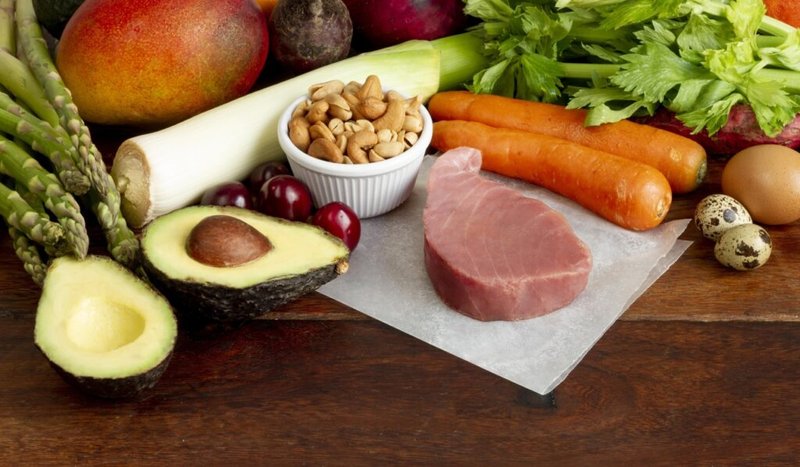
Хранение скоропортящихся продуктов на складах: какие процессы критичны
Складская логистика скоропортящихся товаров работает по принципу «ничего не должно упасть выше или ниже температурного коридора».
Основные складские температурные режимы
- Сухое охлаждение: +1…+7 °C;
- Свежезаморозка: −5…−12 °C;
- Глубокая заморозка: −18 °C;
- Ультраглубокая заморозка (шок): −30 °C и ниже.
В одном логистическом комплексе могут быть десятки отдельных камер.
Оборудование на складах
- холодильные камеры разных температурных зон;
- стеллажи из нержавеющей стали;
- напольные холодильные камеры для крупной продукции;
- дата-логгеры (регистраторы температуры);
- системы аварийного оповещения.
Ключевые складские процессы для скоропортящихся товаров
- Приемка с мгновенной фиксацией температуры. Температура продукта «на входе» фиксируется в акте.
- FEFO — «первым истекает, первым уходит». Обычный FIFO не подходит.
- Кросс-докинг. Скоропорт лучше не хранить: с машины на машину за 1–3 часа.
- Отдельные зоны под мясо, рыбу, молочную продукцию, овощи и готовую кухню. Это необходимо, чтобы исключить перекрестное загрязнение.
- Холодные шлюзы. При въезде погрузчика воздух не должен нагреваться.
Логистика скоропортящихся товаров: правила, риски и контроль цепочки
Транспортировка — самое сложное звено. Даже идеальное производство не спасёт товар, если машина приехала с нарушением температурного режима.
Основные виды транспорта в холодовой логистике
- рефрижераторы (рефы) — от +12 °C до −25 °C;
- изотермические фургоны — держат температуру, но не охлаждают;
- авиадоставка — для дорогой продукции (ягоды, морепродукты);
- реф-контейнеры — для международных перевозок.
Температурные зоны в логистике
- +2…+4 °C — молочная продукция, рыба, мясо;
- +5…+8 °C — овощи, фрукты;
- −18 °C — заморозка;
- −25 °C — глубокая заморозка.
Отклонение даже в 2–3 °C может вызвать:
- бактериальный рост;
- порчу;
- потерю товарного вида;
- токсичность продукта (особенно рыбы и молока).
Что обязательно контролируется в перевозке
- температура внутри кузова (датчики и журнал);
- температура на паллетах или внутри коробов (контрольные точки);
- сроки доставки;
- правильная загрузка — воздух должен циркулировать;
- наличие холодовых занавесей;
- закрытые дверные системы.
Типичные риски в логистике скоропорта
- остановка рефрижератора;
- ошибочная установка температуры;
- задержки на границах;
- нарушение цепи охлаждения;
- перегруз в «тёплом» ангаре.
Каждое из этих событий может испортить целую партию.
Скоропорт — это категория, где главное — температурная дисциплина. Любое отклонение превращается в убытки, риск возвратов, снижение качества или полную утрату товара.
Ключевые элементы правильной работы со скоропортом:
- Производственное хранение — строгие нормы гигиены, упаковки и температуры.
- Складская логистика — FEFO, кросс-докинг, многозональные камеры.
- Транспорт — рефрижераторы, контроль температуры и минимизация задержек.
- Скорость — чем быстрее проходит цепочка, тем меньше потерь.
Система мониторинга — датчики, журналы, автоматизированные уведомления.