Imports from China: how to build supplies without unnecessary costs and risks
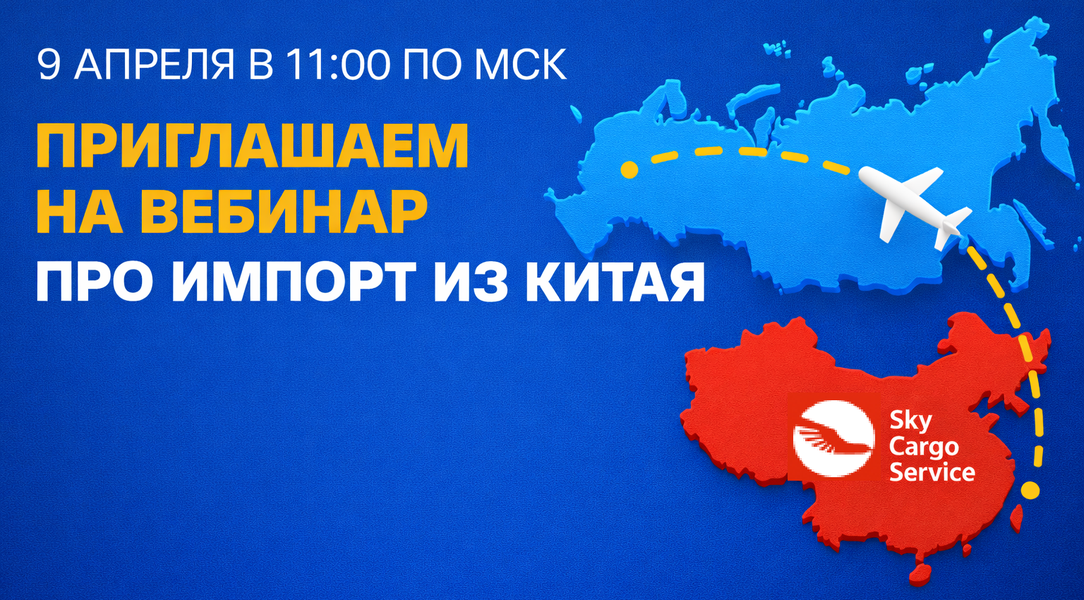
On April 9, at 11:00 (Moscow), a practical webinar will be held on the organization of supplies from China without unnecessary costs and problems at customs.
Today, imports are becoming more difficult: requirements are changing, costs are rising, and controls are increasing. Errors in logistics or documents lead to violation of delivery terms, additional charges and direct losses.
In such conditions, those who understand how the turnkey supply chain works win.- from redemption to delivery to the door.
These are the topics we will discuss in the webinar.
What's going on?
As part of the online event, we will analyze the key stages and areas where business loses money most often:
- How consolidation works and where hidden costs arise
- When consolidation is more profitable than direct shipment
- Where parallel imports are possible and what are the risks
- When you can import goods without re-registration of documents
- What documents are critical for passing customs without additional charges
- How to build stable logistics from factory to door
Webinar format- Practical analysis with examples from real deliveries.
Programme of activities
The webinar will begin with a brief overview of the current situation in imports from China: what changes are happening and what to look for in 2026.
Next, we will examine the key supply scenarios:
- consolidation
- direct
- with parallel importation
Special attention will be paid to documents and customs risks- You will learn where the problems most often occur and how to avoid them.
In conclusion, you will receive recommendations for building a stable logistics chain for business purposes.
Who is this webinar for?
The webinar will be useful:
- Chinese importers
- business owners
- Procurement and logistics managers
- Companies that want to reduce supply costs and eliminate risks
Event details
Date: April 9
Time: start at 11:00 (MSC)
Format: online
This webinar- The ability to systematically look at your shipments and understand where money is lost and how to fix it.

