The impact of sanctions on the Russian economy

Sanctions imposed on Russia since 2014 and especially after 2022 have had a significant impact on its economy.
Sanctions imposed on Russia since 2014 and especially after 2022 have had a significant impact on its economy. These measures are aimed at restricting access to international markets for capital, technology and goods, which has significantly changed the economic landscape of the country.
Major economic impacts of sanctions
- Declining GDP: The imposition of sanctions has contributed to a slowdown in Russian GDP growth. In 2022, the Russian economy is estimated to have contracted by 2-4%. As a result, the country faced a recession that hit all sectors of the economy.
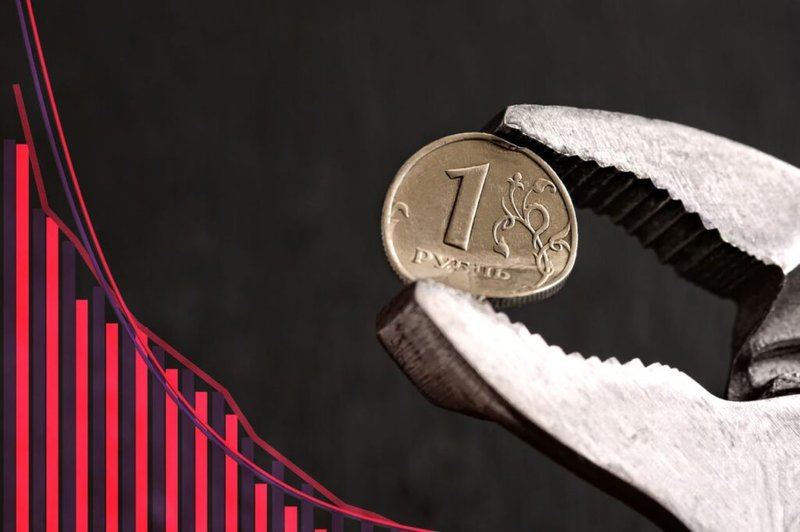
- Inflation and the fall of the ruble: Restrictions on access to international markets and the severance of trade ties led to higher prices for imported goods, which caused inflation. The sharp depreciation of the ruble also led to an increase in the cost of imports and a decrease in the purchasing power of the population.
- Trade restrictions and deficits: The sanctions affected the supply of technology, spare parts and other goods. This has made it particularly difficult for high-tech sectors such as automotive and aviation to operate. Some companies faced a shortage of components, which led to a reduction in production.
- Import substitution: In response to the sanctions, Russia has actively developed import substitution programs, seeking to reduce dependence on Western goods and technologies. In particular, efforts to develop agriculture and industrial production were intensified, but the process of import substitution proved difficult and lengthy.
Financial constraints
- Restricting access to finance: Russian banks and companies have been sanctioned, limiting their access to international capital markets. This caused problems with refinancing external debt and made it difficult to attract investment.
- Asset freeze: Assets of Russian companies and individuals in the West have been frozen. This led to capital flight and made it difficult to do business abroad.
Impact on the energy sector
- Restrictions on energy exports: Sanctions on oil and gas exports have put serious pressure on Russia’s energy sector, which is the backbone of the country’s economy. As a result, Russia faced the need to reorient export flows to other markets, such as China and India.
- Technological constraints: Sanctions have hampered access to Western technology and equipment needed to develop new oil and gas fields, limiting the industry’s long-term prospects.
Social implications
- Declining living standards: Sanctions have contributed to rising prices and unemployment, leading to a deterioration in living standards. Social discontent has intensified, especially in major cities.
- Brain drain: The deterioration of the economic situation and restrictions on international relations caused the outflow of highly qualified specialists from the country, which further weakened the economy.
Russia's response
- Countersanctions: In response to Western sanctions, Russia imposed its own import restrictions, which boosted the development of certain sectors, but led to higher prices for goods and services.
- Partnership development: Russia has stepped up cooperation with non-Western countries such as China, India and Turkey to mitigate the effects of sanctions and diversify economic ties.
- The strengthening of the ruble: Under the sanctions, the Central Bank of Russia took a number of measures to maintain the ruble exchange rate and stabilize the financial system.
Sanctions have had a serious impact on the Russian economy, causing a slowdown in growth, inflation, a shortage of goods and a decline in living standards. At the same time, Russia has adapted to new conditions, developing import substitution programs and strengthening economic ties with non-Western countries. However, the long-term consequences of the sanctions remain uncertain, and their effect will depend on further developments in the international arena and Russia’s domestic economic policy.