Sea Routes of Oil and Gas: How the World Energy System Works
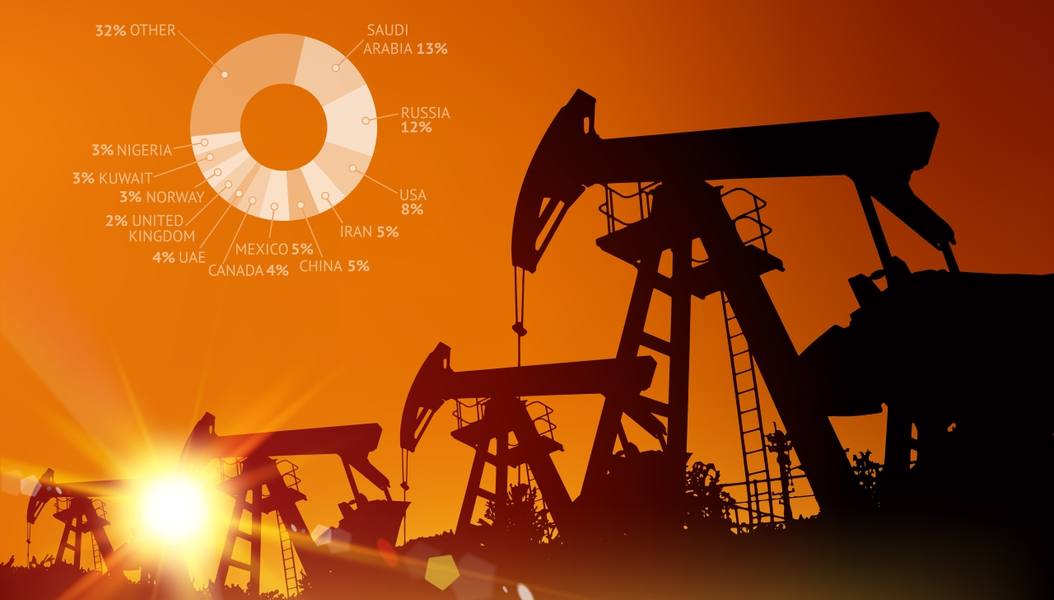
Today, global energy trade is built around several key sea arteries, through which millions of tons of raw materials pass daily.
Despite the development of rail and road logistics, the sea remains the main way of transporting raw materials in the world. Through the oceans passes most of the global trade in oil, gas, coal, grain and manufactured goods.
Marine logistics plays a particularly important role in energy. Oil and gas have long become not just raw materials, but instruments of geopolitics, finance and international influence. The stability of sea routes directly affects fuel prices, industrial production and the economic stability of entire states.
Today, global energy trade is built around several key sea arteries, through which millions of tons of raw materials pass daily.
Why oil and gas are transported by sea
Sea transportation remains the cheapest way to transport large volumes of raw materials over long distances. One modern supertanker is capable of carrying more than 2 million barrels of oil per voyage.
For gas, the situation is more complicated. Pipeline exports are limited by geography, so LNG is playing an increasing role. - liquefied natural gas, which is carried by special gas carriers.
World trade in energy resources today is based on several schemes:
- Direct long-term contracts;
- spot supplies;
- stock trading;
- trading operations through intermediaries;
- mixed schemes with transshipment at sea.
Marine logistics allows raw materials to quickly change direction depending on prices, sanctions and demand.
The main sea routes of oil
Strait of Hormuz – the main oil corridor of the world
The Strait of Hormuz between Iran and Oman is considered one of the most important points of world energy. A huge part of oil exports from the Persian Gulf countries pass through it.
Saudi Arabia, Iraq, Kuwait, UAE and Qatar ship oil through this route to:
- China;
- India;
- Japan;
- South Korea;
- Europe.
Any tensions in the region instantly affect global oil prices.
Suez Canal – the link between Asia and Europe
The Suez Canal remains the most important artery between Europe and Asia. Both oil tankers and LNG supplies pass through it.
The route significantly reduces delivery time compared to bypassing Africa. That is why Suez is so important for Middle Eastern oil supplies to Europe.
After the crises of recent years, many shipping companies have begun to assess the risks of the route, but the canal remains a key element of global trade.
Strait of Malacca – Energy Entrance to Asia
The Strait of Malacca connects the Indian Ocean with the South China Sea and is considered a major energy route for China, Japan and Southeast Asia.
Deliveries are made through it:
- Middle Eastern oil;
- African raw materials;
- LNG;
- petroleum products.
The route is of strategic importance to China, and Beijing is actively developing alternative logistics projects and overland transport corridors.
How to transport oil
Main transport for maritime oil trade - tankers. They are divided into several classes depending on the volume of transportation.
The most famous are:
- Aframax;
- Suezmax;
- VLCC;
- ULCC.
The largest ships are capable of carrying millions of barrels of oil in a single voyage.
Oil is usually sold under long-term contracts between state-owned companies, traders and refineries. However, a significant part of the market works through spot transactions, where raw materials can be resold several times during transportation.
How the LNG market works
Gas is becoming a global commodity
Previously, gas was tied mainly to pipelines. But the development of LNG technology has completely changed the market.
Now the gas is cooled to a liquid state, loaded into special gas carriers and sent almost anywhere in the world.
The largest exporters of LNG today are:
- Qatar;
- United States;
- Australia;
- Russia;
- Malaysia.
Top buyers - Asia and Europe.
LNG terminals are changing global trade
A complex infrastructure is needed to trade LNG:
- gas liquefaction plants;
- storage terminals;
- special gas carriers;
- regasification stations.
The presence of terminals allows countries to quickly change gas suppliers and diversify imports.
After the energy crisis in Europe, the construction of LNG infrastructure accelerated dramatically.
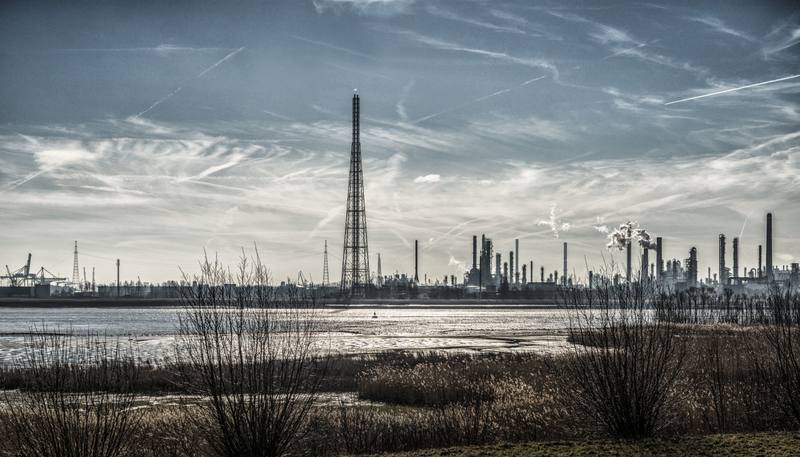
How Countries Sell Oil and Gas
Long-term contracts
Many countries prefer to sell raw materials through multi-year agreements. This allows:
- guarantee the volume of supplies;
- fix the conditions;
- plan production;
- reduce price risks.
This is how many gas supplies and some oil contracts work.
Spot market
However, spot trading is becoming increasingly important. - Quick transactions at current market prices.
Especially actively sold through the spot:
- LNG;
- oil;
- petroleum products.
Such schemes often involve international traders who can resell the cargo several times during transportation.
Trading companies
Commodity traders play a huge role in the market. They connect the extractive countries, transport companies and end customers.
Traders do:
- freight of ships;
- cargo insurance;
- financial calculations;
- search for buyers;
- organization of transshipment of raw materials.
Sometimes oil changes ownership several times before arriving at the destination port.
Shadow Fleet and New Trading Schemes
After the introduction of sanctions against a number of countries, the global energy logistics began to change. The market is increasingly using:
- transshipment of oil at sea;
- mixed patterns of origin;
- vessels with a complex ownership structure;
- Alternative insurance arrangements.
This is how the term “shadow fleet” came about. - ships that operate outside the usual Western system of insurance and control.
Such schemes are particularly actively discussed around the supply of Russian, Iranian and Venezuelan oil.
Why sea routes affect the world
Any problems in key sea points immediately affect the global economy.
The reasons may be different:
- military conflicts;
- sanctions;
- piracy;
- accidents;
- blocking channels;
- political crises.
Even a short-term shutdown of major routes can lead to higher oil prices, higher logistics costs and supply disruptions.
The Future of Global Marine Energy
In the coming years, maritime trade in oil and gas will continue to change. The main trends are already noticeable:
- growth of the LNG market;
- strengthening the role of Asia;
- development of Arctic routes;
- Increased influence of China and India;
- Digitalization of maritime logistics;
- tightening environmental requirements.
At the same time, the sea arteries themselves remain an important element of the world economy and global politics.
World trade in oil and gas - It is a complex system in which politics, logistics, finance and geography are intertwined. Sea routes have long become not just transport routes, but strategic tools of influence.
From the Strait of Hormuz to the Malacca corridor - Each major sea artery affects the cost of energy, the stability of markets, and the economies of entire nations.
That is why the struggle for control over maritime logistics remains one of the main themes of the modern world economy.